

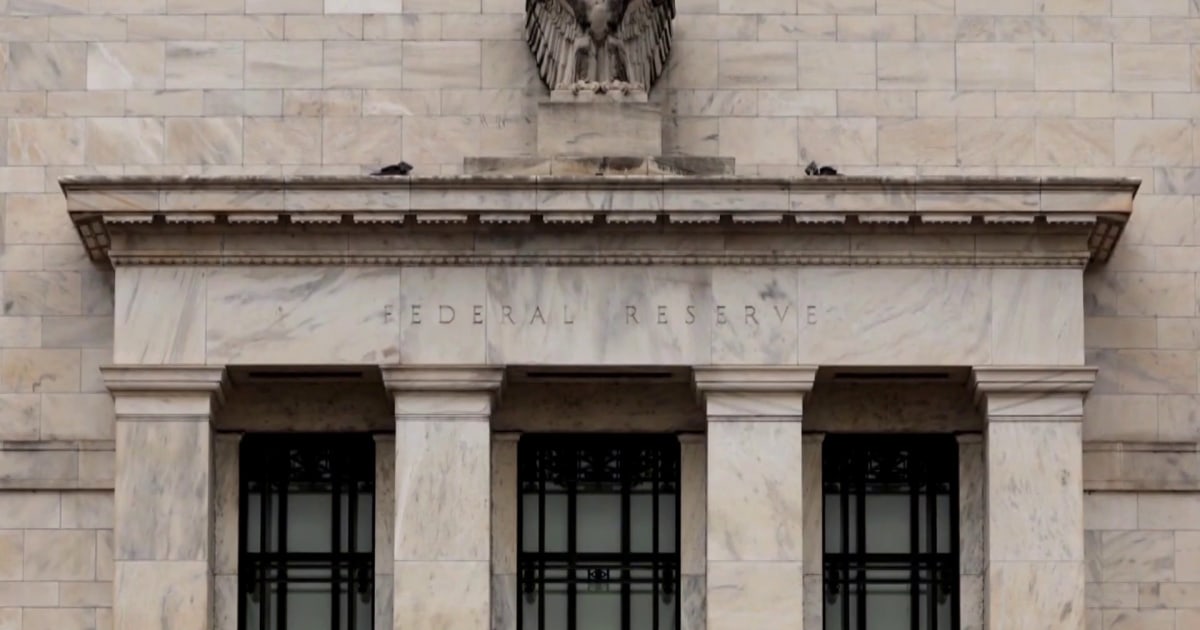
The Federal Reserve left its benchmark rate unchanged for a fifth straight meeting on July 30, 2026, despite inflation that refuses to fall obediently toward target. On the surface, that sounds like a non-event. However, the Fed rate hold dollar impact is anything but boring for currency traders, because “no change” from the Fed rarely means “no change” in market expectations. What matters now is the tone behind the pause, and how it reshapes rate-differential trades across the board.

Why a “Hold” Still Moves Currencies, Fed rate hold dollar impact
A central bank standing pat can still send a currency sharply higher or lower, depending on what the decision implies about the next move. If the Fed is holding because inflation is sticky, markets may price in a longer runway before cuts arrive. That is generally dollar-supportive, since higher-for-longer rates keep US yields attractive relative to peers. Meanwhile, if traders interpret the hold as a sign the Fed is simply out of room to act — caught between inflation and slowing growth — sentiment can turn more cautious, and the dollar’s safe-haven bid becomes the dominant driver instead.
This is the core mechanism behind the Fed rate hold dollar impact: it’s not the decision itself, it’s the repricing of future expectations that follows. Fed funds futures, the 2-year Treasury yield, and Fed Chair commentary at the press conference all matter more than the headline rate staying flat.
Which Pairs Feel It First
EUR/USD
EUR/USD is typically the fastest-reacting major to any shift in Fed rhetoric. A hawkish hold — one where officials flag persistent inflation — tends to push EUR/USD lower as the yield gap versus the eurozone widens in the dollar’s favor. Conversely, a hold framed as “we’re patient because growth is fine” can actually weaken the dollar if it signals confidence rather than caution.
USD/JPY
USD/JPY is especially sensitive here, since the Bank of Japan remains one of the few developed-market central banks still normalizing policy from a low base. If the Fed holds while Japanese yields creep higher, the rate differential that has powered USD/JPY’s long uptrend narrows, and carry traders may start trimming yen shorts.
GBP/USD and AUD/USD
Sterling and the Aussie dollar respond less to the Fed decision directly and more to how it changes relative rate paths. If the Bank of England or RBA are seen cutting sooner than the Fed, GBP/USD and AUD/USD both face headwinds. Readers who followed the BoE Rate Hold GBP analysis already know that policy divergence, not policy level, is what actually drives sterling flows — the same logic applies squarely to this Fed decision.
Who Benefits From This Setup
Dollar bulls with a “higher-for-longer” thesis are the immediate beneficiaries if the Fed’s language stays hawkish. Carry traders long the dollar against low-yielding funding currencies like the yen or Swiss franc stand to gain the most, provided volatility remains contained. US money-market and short-duration bond investors also benefit, since elevated policy rates persisting longer than expected keeps yields attractive without the price risk of longer duration.
On the other side, emerging-market currencies and commodity-linked pairs could underperform. A firmer dollar raises the cost of dollar-denominated debt for EM issuers and pressures currencies like the Mexican peso, South African rand, and Brazilian real. Exporters pricing goods in dollars, particularly in Asia, may also face margin pressure if their local currencies stay soft against a resilient greenback.
Equity-sensitive traders should note a secondary effect too: prolonged high rates squeeze rate-sensitive sectors, and any resulting risk-off mood tends to spill into FX through reduced appetite for higher-beta currencies like AUD and NZD.

Key Caveats and Risks to This View
No Fed-driven dollar thesis is risk-free, and this one has several soft spots worth flagging.
- Inflation data surprises. A cooler-than-expected CPI print in the coming weeks could flip the higher-for-longer narrative overnight, dragging the dollar back down fast.
- Geopolitical shocks. Ongoing tensions tied to Iran and broader Middle East instability continue to inject safe-haven demand into the dollar independent of rate logic, muddying any clean technical read.
- Fiscal and political noise. Domestic political friction, including unresolved nominations and Senate gridlock, can weigh on sentiment toward US assets even while rate differentials favor the dollar.
- Crowded positioning. If too many traders lean the same direction on this trade, a modest data miss can trigger an outsized unwind. This is exactly the kind of scenario where disciplined risk management earns its keep — reviewing entries and exits in a trading journal helps traders spot when a favored setup is starting to fail rather than clinging to a stale thesis.

What to Watch Next
The next FOMC statement’s wording will matter more than this hold itself. Watch the dot plot revisions, any change in the “data dependent” language, and Fed Chair remarks on labor market resilience. Bond market pricing of the first expected cut is the single cleanest proxy for where the Fed rate hold dollar impact goes from here. If that expected cut date keeps pushing further out, expect continued dollar firmness against low-yielders. If it pulls forward, prepare for a broader dollar retracement across EUR/USD, GBP/USD, and AUD/USD alike.
Traders should treat this pause as a waypoint, not a verdict. The real signal comes from what changes in expectations over the following weeks, not from the unchanged number itself.
Source: NBC News
</markdown>

I’m Vinit Makol. With 20+ years in forex and financial markets, I serve as lead analyst at Edge-Forex, covering currency markets, macroeconomics, trading strategies, and market-moving events to give traders practical insights they can actually use.