

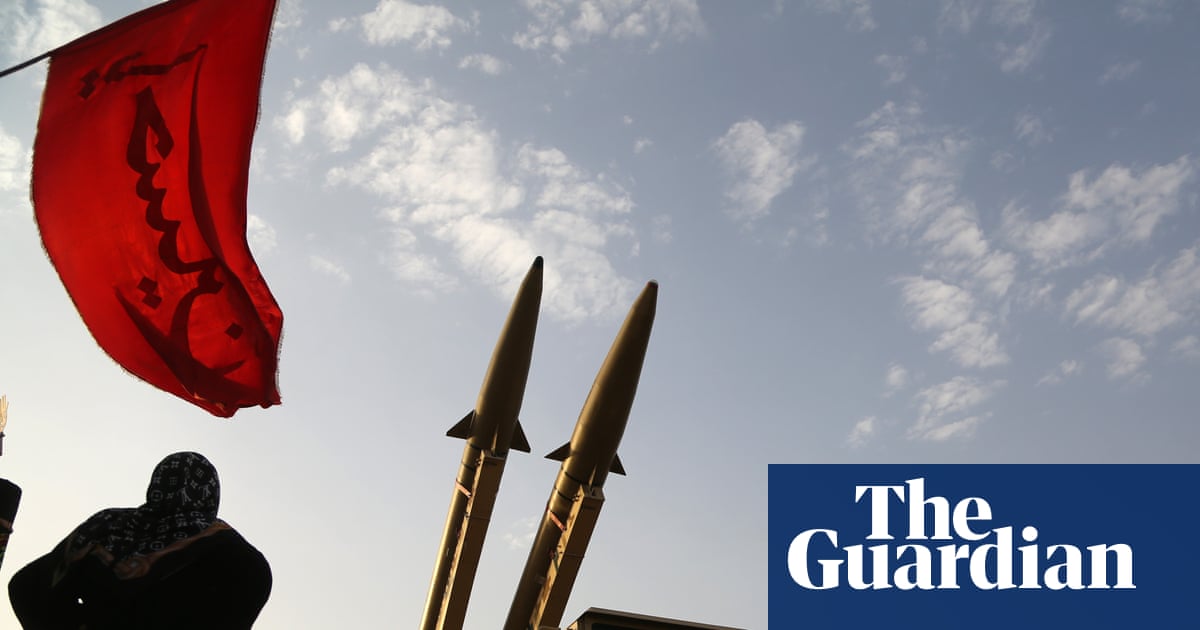
The Hormuz escalation FX impact is back on trading desks after a short-lived ceasefire between the US and Iran collapsed overnight. Iran’s Revolutionary Guards claim to have struck three tankers in the strait, while the US and Saudi Arabia jointly hit Iran-backed militia sites in Iraq. Brent crude jumped back toward $88 a barrel, reversing much of last week’s ceasefire-driven relief rally. For currency traders, this is less about the headlines themselves and more about what renewed Gulf tension does to correlated flows across oil, safe havens, and risk currencies.

Why the Hormuz Escalation FX Impact Matters Beyond Oil
The Strait of Hormuz carries roughly a fifth of global oil supply. Any credible threat to tanker traffic through it forces energy markets to price in a risk premium immediately, and FX markets follow within minutes. Therefore, the Hormuz escalation FX impact isn’t confined to commodity-linked pairs; it ripples through risk sentiment broadly, since higher energy costs squeeze consumer economies and complicate central bank inflation fights simultaneously.
The mechanism is fairly straightforward. Oil-importing economies see their terms of trade worsen when crude spikes, which weakens their currencies. Oil-exporting economies, however, benefit from higher energy receipts, supporting theirs. Layered on top of that is a classic risk-off dynamic: geopolitical shocks push capital toward traditional havens and away from higher-beta, growth-sensitive currencies.
Currency Pairs in Focus
USD and Safe-Haven Flows
The US dollar typically benefits from Middle East escalation through pure risk aversion, even though America is a direct party to the conflict. Expect USD strength against risk-sensitive currencies like AUD, NZD, and emerging-market FX. However, the dollar’s advantage could be capped this time because Washington’s direct military involvement adds a layer of US-specific uncertainty that doesn’t apply in a typical “flight to safety” scenario.
The Japanese yen remains the cleaner haven play. USD/JPY often struggles to rally on days like this because JPY strength from risk aversion offsets dollar strength from safety demand, leaving the pair rangebound or modestly lower. Swiss franc pairs tend to behave similarly, with CHF gaining broadly against European and commodity currencies.
Oil-Linked Currencies: CAD and NOK
The Canadian dollar and Norwegian krone typically gain versus oil-importing currencies as crude climbs, since both economies rely heavily on energy exports. CAD/JPY and USD/CAD are worth watching closely here, as sustained Brent strength above $90 would likely see CAD outperform most G10 peers. Traders who followed our Oil Shock Currency Trade analysis during the earlier Hormuz blockade scare will recognize this setup well.
Import-Dependent Currencies Under Pressure
The euro, Japanese yen, Indian rupee, and Turkish lira all sit on the losing side of an oil spike since these economies import the bulk of their energy needs. The eurozone is particularly exposed given its already fragile growth trajectory and lingering energy-security concerns dating back to the 2022 gas crisis. As a result, EUR/USD faces renewed downside pressure, compounding existing headwinds discussed in our EUR/USD Outlook piece from earlier this year.
Who Benefits From This Move
Positioning matters enormously here. Commodity-currency longs, particularly CAD and NOK, stand to benefit most directly from sustained Gulf tension. Meanwhile, short-EUR and short-JPY-against-dollar-havens trades can work in tandem, though traders need to watch for whipsaws if a ceasefire headline suddenly reverses sentiment, as happened just days before this latest flare-up.
Energy trading desks and macro funds with pre-positioned long-oil, long-CAD baskets are the clearest beneficiaries of this specific escalation. Retail traders chasing the move late, however, risk buying volatility spikes that fade quickly if diplomatic talks resume. Trump’s own comments about a “good chance” of progress just days before this attack are a reminder of how fast sentiment can swing in either direction.

Key Risks and Caveats
This is a headline-driven market, and headline risk cuts both ways. A single diplomatic breakthrough, a ceasefire announcement, or even a denial of tanker damage could reverse the entire move within a single session. Traders should size positions conservatively given this volatility; anyone unsure of appropriate exposure levels should revisit sound risk management before entering trades.
Second, correlations between oil and currencies aren’t always stable. During periods of extreme volatility, CAD and NOK can decouple from crude briefly due to broader risk-off liquidation, where traders sell everything, including commodity currencies, to raise cash. This happened during past shocks and could repeat if equity markets sell off sharply alongside oil.
Third, the Iraq dimension adds complexity. Militia strikes and Iraqi state involvement introduce a wildcard that’s harder to price than a straightforward Iran-US standoff. If Iraqi oil infrastructure becomes a target, the supply-risk premium could extend well beyond the current spike, meaningfully altering the medium-term FX calculus for oil-linked pairs.

Practical Positioning Notes
Traders looking to play this theme should watch Brent’s reaction above $90 as a trigger level for stronger CAD and NOK conviction trades. USD/JPY shorts on risk-off spikes remain a reasonable hedge, though thin liquidity around headline releases can cause erratic price action. Meanwhile, EUR crosses deserve caution given the eurozone’s energy vulnerability.
Ultimately, the Hormuz escalation FX impact is a reminder that geopolitical risk premiums move fast and fade just as quickly. Disciplined risk management, not conviction alone, will separate profitable trades from costly ones over the coming days.
Source: The Guardian
</markdown>

I’m Vinit Makol. With 20+ years in forex and financial markets, I serve as lead analyst at Edge-Forex, covering currency markets, macroeconomics, trading strategies, and market-moving events to give traders practical insights they can actually use.