
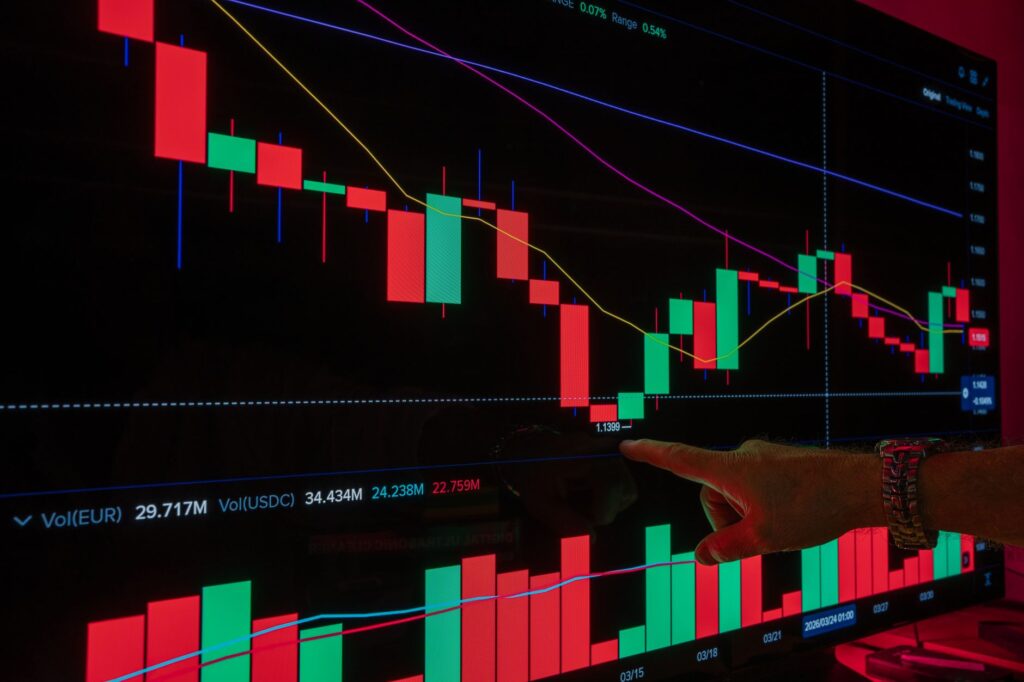
The Hormuz LNG crunch is now the biggest force behind Europe’s energy bills, and it is starting to show up in currency markets too. With a fifth of the world’s liquefied natural gas supply effectively trapped behind the Strait of Hormuz, European gas prices have surged, and the euro, the pound, and safe haven currencies are all reacting to a story that started as a shipping problem and is turning into a monetary policy problem.

What Happened: The Hormuz LNG Crunch Explained
Since early March, most of Qatar’s LNG cargoes have struggled to move through the Strait of Hormuz the way crude oil tankers have. While oil cargoes keep pushing through in large volumes, LNG shipments have not managed the same flow, and Qatari and UAE cargoes that do get through are too small to move the global gas balance. The result is a Hormuz LNG crunch that has left Europe scrambling for alternative supply just as colder weather approaches.
EU gas storage stood at just over 71% full on September 28, and Germany, Europe’s largest economy, sits below 58% (recent data puts it near 57%). Those levels leave the region unusually exposed heading into winter, even though Europe has spent years diversifying away from Russian pipeline gas since 2022. The problem now is that replacing lost Qatari LNG is proving expensive, and that expense is feeding directly into inflation.
Which Currency Pairs the Hormuz LNG Crunch Is Moving
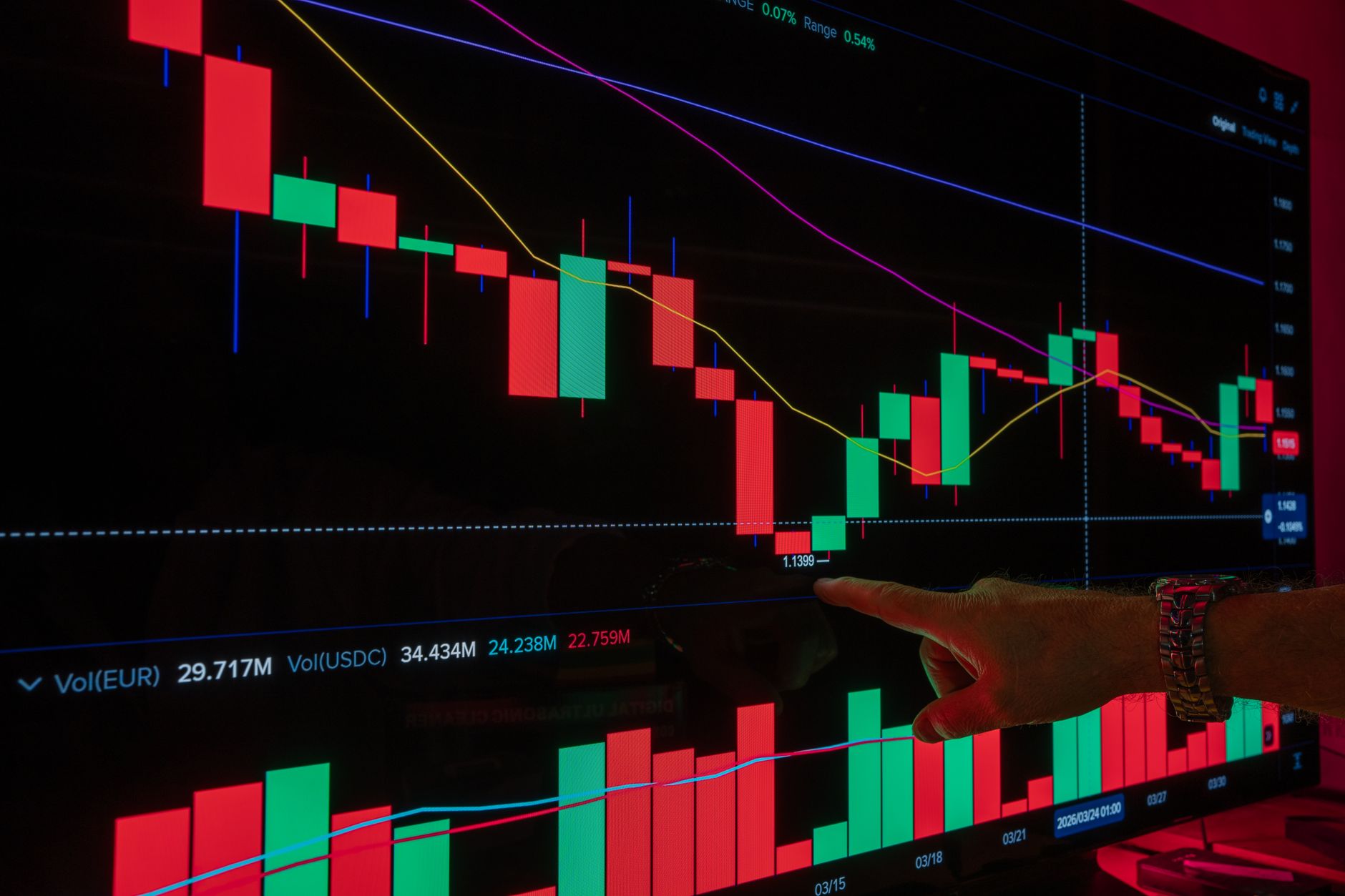
The Hormuz LNG crunch is a classic terms of trade shock for Europe. The eurozone and the UK are large energy importers, so higher gas prices widen their import bills without any matching gain in exports. That dynamic tends to weigh on EUR/USD and GBP/USD, since traders price in a weaker external balance and a harder growth backdrop for the currencies most dependent on imported energy.
At the same time, the US dollar and the Japanese yen often catch safe haven flows when Middle East supply risk rises, though the yen’s position is complicated because Japan is itself a major LNG importer competing for the same tight cargoes. The Norwegian krone is worth watching too, since Norway is one of the few suppliers positioned to fill part of the gap left by stalled Qatari shipments. Freight markets are also flashing stress, with VLCC very large crude carrier rates hitting a record $1.27 million a day, a sign of how tight and expensive shipping capacity has become across energy markets, not just for LNG.
Who Benefits and Who Loses
The losers are clear: European and UK consumers and industry facing higher energy bills, and currencies tied to those economies. The ECB has already raised its key interest rates twice since June in response to inflation pressure, even as its Governing Council says it is not pre-committing to a particular rate path given the uncertainty.
The winners are harder to pin down but include alternative gas suppliers and shipping owners benefiting from record freight rates. US LNG exporters are also gaining ground, as high freight costs are pushing more American LNG toward Europe to help cover the shortfall. Middle East oil exports have actually rebounded to 12.8 million barrels per day even as Hormuz tanker transits for other cargo types have crashed to single digits, showing how unevenly the crunch is hitting different parts of the energy trade.

Prices and Fuel: What Gets More Expensive
For ordinary households, the Hormuz LNG crunch means higher heating and electricity bills across Europe this winter, since gas prices feed directly into power generation costs in many countries. The UK’s grid operator has already warned of tight power margins, which points to elevated electricity prices rather than shortages. Fuel costs for industry are rising too, and that gets passed through to the price of everyday goods manufactured in Europe, from food processing to chemicals.
This is where the story connects to fuel bills more broadly. Readers who followed the Hormuz Strait Talks piece will recognize the pattern: when shipping through the Strait is disrupted, the pain shows up first in energy bills and only later in headline inflation figures. The current Hormuz LNG crunch is a reminder that gas, not just oil, moves the needle for household budgets.
Borrowing and Rates: What the ECB Does Next
The knock on effect for borrowers is the more important one for savers and mortgage holders. The ECB has raised rates twice since June already, and the central bank’s own language about not pre-committing to a path suggests policymakers are watching energy prices closely before deciding on further moves. If the Hormuz LNG crunch keeps European gas prices elevated, that argues for the ECB staying cautious or even tightening further, which would keep borrowing costs higher for longer on mortgages and business loans across the eurozone. Anyone with a variable rate mortgage in Europe should watch gas storage data and Hormuz shipping headlines as closely as they watch the ECB’s own statements, since one is now driving the other.
Savings and Travel: What to Watch
For savers, a firmer ECB rate path from persistent energy inflation could mean better returns on euro deposits and savings accounts, even as the currency itself faces pressure from the worsening trade picture. For travelers, a weaker euro or pound against the dollar makes trips to the US and dollar linked destinations more expensive, while it could make a European holiday cheaper for dollar holders. Anyone budgeting for winter travel in Europe should also expect higher costs tied to energy surcharges on flights and accommodation, a side effect of the same Hormuz LNG crunch that is pushing up heating bills.
What This Means for You
In plain terms, the Hormuz LNG crunch is a story about scarce shipping capacity, not scarce gas reserves worldwide. That distinction matters because it means prices can stay high even without an outright shortage, simply because cargoes cannot move efficiently through the Strait of Hormuz. Households should expect winter energy bills to run higher than usual, borrowers should watch for the ECB holding rates higher for longer, and savers may see modestly better returns on euro deposits as a byproduct of that same rate stance. None of this requires panic, but it does mean budgeting for elevated energy costs through the winter months.
Risks to This View
This analysis could be wrong in several ways. Qatari or UAE LNG shipments could resume more normally through the Strait of Hormuz sooner than expected, easing the supply crunch quickly. Europe’s storage position, while below ideal levels, is not at crisis lows, and mild winter weather could reduce demand enough to offset some of the price pressure. It is also possible the ECB pauses rate hikes if growth concerns outweigh inflation worries, which would change the borrowing cost picture for eurozone consumers. Readers interested in how similar Gulf supply disruptions have played out before may find the Gulf War Risk Premium analysis useful context, and the US China LNG Deal piece is a reminder that LNG flows can shift quickly when new supply agreements emerge.
Get daily forex setups and market breakdowns on our Telegram: Join Pip Talk on Telegram
This article is market analysis and commentary, not financial advice.

What the video covers
A fifth of the world’s LNG supply is stuck behind the Strait of Hormuz, and it is already hitting your gas bill. Oil tankers keep flowing through Hormuz, but Qatar’s LNG cargoes have stalled since March. It’s a shipping problem, not a shortage. Your heating and electricity bill has already started moving, weeks before winter’s cold even arrives. Germany’s gas storage sits below 58 percent, while EU storage overall is just over 71 percent full.
The UK’s grid operator has already warned of tight power margins, pointing to higher electricity prices. Freight rates for large tankers hit a record $1.27 million a day, and that cost flows into everyday goods. Before the crunch, gas was cheaper to ship. Now record freight and tight supply are pushing costs higher. The second place this lands is borrowing costs, on mortgages and business loans across the eurozone.
The ECB has already raised interest rates twice since June, watching energy prices before its next move. If gas prices stay elevated, that argues for rates staying higher for longer, not lower. The third place is savings returns and the price of your next trip abroad. European consumers face higher bills, while US LNG exporters and shipping owners gain from record freight rates.
A weaker euro makes US trips pricier for Europeans, but a European holiday cheaper for dollar holders. Of the three, watch the heating bill first, since storage data and Hormuz headlines are already moving together. EUR/USD and GBP/USD face pressure as Europe’s import bill widens with no matching export gain. Safe haven flows favor the dollar and yen, while the Norwegian krone stands out as an alternative supplier’s currency.
This eases fast if Qatari shipments resume or winter turns mild, so the pressure isn’t guaranteed to last. This is market analysis, not financial advice, so treat these levels as context for your own decisions.
Transcript of “Hormuz LNG crunch: why your gas bill, mortgage and savings are moving”.

I’m Vinit Makol. With 20+ years in forex and financial markets, I serve as lead analyst at Edge-Forex, covering currency markets, macroeconomics, trading strategies, and market-moving events to give traders practical insights they can actually use.