
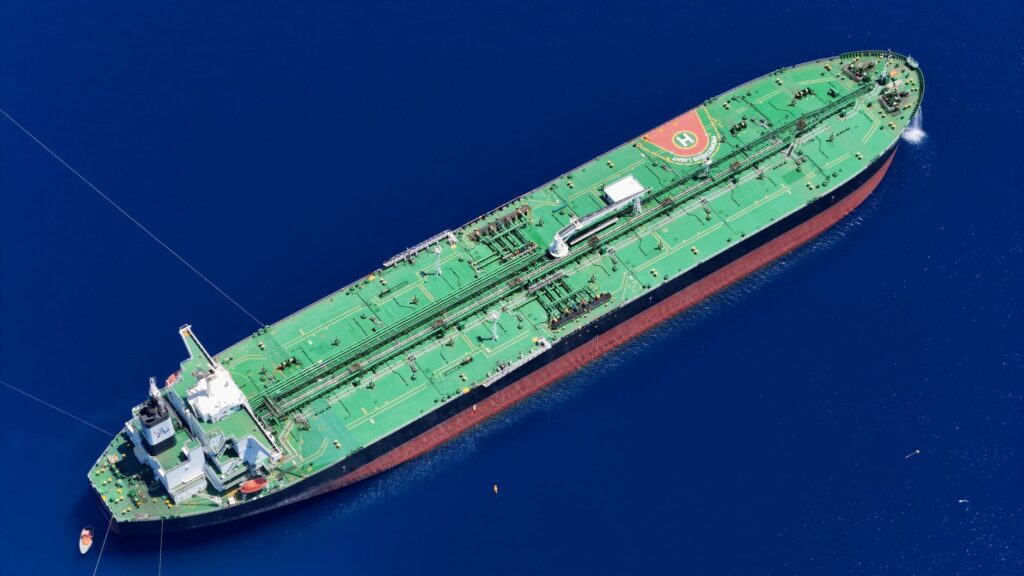
The Hormuz oil FX trade is back on the table. US diesel just topped $5 a gallon and regular gas is nearing $4, while Brent sits around $81 after Iran declared the Strait of Hormuz shut and Washington answered with a blockade on Iranian ports. AAA calls it a market “subject to rumors,” and that phrase matters. For currency traders, the pump price is only the visible symptom. The real story sits underneath, in how energy-driven inflation reshapes rate expectations and capital flows.
The Guardian frames this as a consumer and trucker problem. Therefore, our job is different: map the shock onto the FX board and decide who wins.

Why the Hormuz oil FX trade starts with the petro-currencies
Roughly a fifth of global crude and a huge slice of LNG passes through Hormuz. When passage is threatened, the immediate winners are net energy exporters. The Canadian dollar, the Norwegian krone, and to a degree the Mexican peso tend to firm as oil rallies.

However, the mechanism is not identical across them. CAD tracks WTI closely, so USD/CAD often falls on genuine supply fear. NOK benefits from both crude and European gas premiums, making EUR/NOK a cleaner expression of the squeeze. Meanwhile, the peso enjoys carry support but stays vulnerable to broader risk-off swings.
The energy importers on the losing side
Japan and the eurozone import nearly all their oil. As a result, higher crude widens their trade deficits and drains real income. The yen is especially exposed, since energy invoicing in dollars forces yen selling to pay for barrels.
That pressure feeds directly into the USD/JPY intervention risk narrative. A supply-driven oil spike pushes USD/JPY higher for the wrong reasons, and Tokyo hates disorderly moves. Therefore traders chasing the topside must respect the intervention ceiling.
The dollar’s split personality in an energy shock
Here is where the Hormuz oil FX trade gets tricky. The dollar wears two hats at once. First, it is the safe haven of choice during Middle East escalation, so DXY catches a bid on pure fear. Second, the US is now a major energy exporter, which cushions the terms-of-trade blow that hammered the dollar during past oil crises.
Consequently, the greenback tends to outperform funding currencies and importers while lagging true petro-currencies. USD/JPY and USD/CHF can diverge sharply. The franc competes with the dollar for haven flows, so USD/CHF often stays pinned even as USD/JPY runs.
For a deeper look at this dynamic, the piece on what happens to dollar strength during a global crisis lays out the flow logic clearly.
The inflation channel: why this becomes a rates story
Diesel is universal, as AAA notes, because everything reaches the shelf by truck. Therefore an oil spike is a broad inflation impulse, not a one-off gas number. That reframes the trade entirely.
A supply-side inflation shock is stagflationary. It lifts prices while crimping growth. Central banks then face a cruel choice: fight inflation with hikes or protect growth with cuts. The Federal Reserve, sitting on a resilient economy, leans hawkish. The European Central Bank, facing a fragile recovery, leans dovish under the same shock.
That divergence is the engine of the EUR/USD downside case. Meanwhile, the Bank of Japan stays boxed in, unable to hike fast enough to defend the yen against imported inflation.
Who benefits from the positioning
Commodity-linked long positions in CAD and NOK against the yen and euro carry the cleanest fundamental tailwind. Long USD/JPY captures both the oil-import drain and the rate divergence, though with intervention risk baked in. Short EUR/NOK expresses the European energy squeeze directly.
Gold, silver, and other haven assets also rally, and the connection between energy geopolitics and safe assets is worth tracking. See how energy conflict rippled through the barrel in the analysis of America’s attack on Venezuela and global oil trade.

The caveats that can wreck the Hormuz oil FX trade
Now the risks, and they are large. AAA’s own spokesman said the market moves on “whim.” Recall that Trump floated a 20% Hormuz transit fee on Monday, then dropped it. That single headline pattern is the biggest danger to any directional bet.
First, de-escalation risk. A June memorandum of understanding already cooled prices once. Any fresh diplomatic gesture can gap oil lower and unwind CAD and NOK longs violently. Therefore stops matter more than conviction here.
Second, demand destruction. If crude spikes hard enough, it kills growth expectations and flips risk sentiment. In that world the dollar and yen can both rally as havens, breaking the neat USD/JPY-up thesis.
Third, positioning crowding. When everyone is long the same petro-currency, the reversal is brutal. A single reassuring tweet can trigger a stampede for the exit.
Manage the volatility, not just the direction
Geopolitical FX moves are gap-prone. As a result, sizing discipline beats prediction. Widen your risk assumptions and shrink your exposure accordingly, and lean on a structured forex risk management framework rather than gut feel.
Use limit orders around known event windows. Avoid holding oversized positions into Washington or Tehran press conferences. Meanwhile, treat correlated trades, say long CAD and short EUR/NOK, as one concentrated bet, not two.

The bottom line for currency traders
The Hormuz oil FX trade is fundamentally a bet on persistent supply fear and policy divergence. The clean expressions are long petro-currencies against energy importers, and selective USD strength against funding currencies.
However, the source of this move is erratic political rhetoric, not a slow fundamental grind. Therefore the edge lies in flexibility. Trade the escalation, but respect that de-escalation can arrive in a single headline. In a market driven by whim, the trader who survives is the one who sized for surprise.
Source: The Guardian

I’m Vinit Makol, and I write to make sense of the markets, from forex and precious metals to the macro shifts that drive them. Here, I break down complex movements into clear, focused insights that help readers stay ahead, not just informed.