

The rupiah forex trade just got a lot more interesting. Perry Warjiyo’s abrupt resignation as Bank Indonesia governor has removed a steady, credible hand from one of Southeast Asia’s most-watched central banks, right as the rupiah was already sitting near record lows. Traders now face a leadership vacuum at precisely the moment institutional credibility matters most.
Destry Damayanti steps in as interim governor, and markets will scrutinise every word she says for continuity signals. However, the real question isn’t who holds the seat this week — it’s who gets the permanent nod, and whether that person is seen as independent or as an extension of President Prabowo’s growth-at-all-costs agenda.

Why the Rupiah Forex Trade Is Suddenly Higher Risk
Currency markets price stability as much as they price fundamentals. Perry had a decade-long track record of defending the rupiah through orthodox rate policy, including a cumulative 100 basis points of hikes since May specifically to attract foreign capital inflows. That predictability anchored USD/IDR within a relatively contained range despite regional volatility.
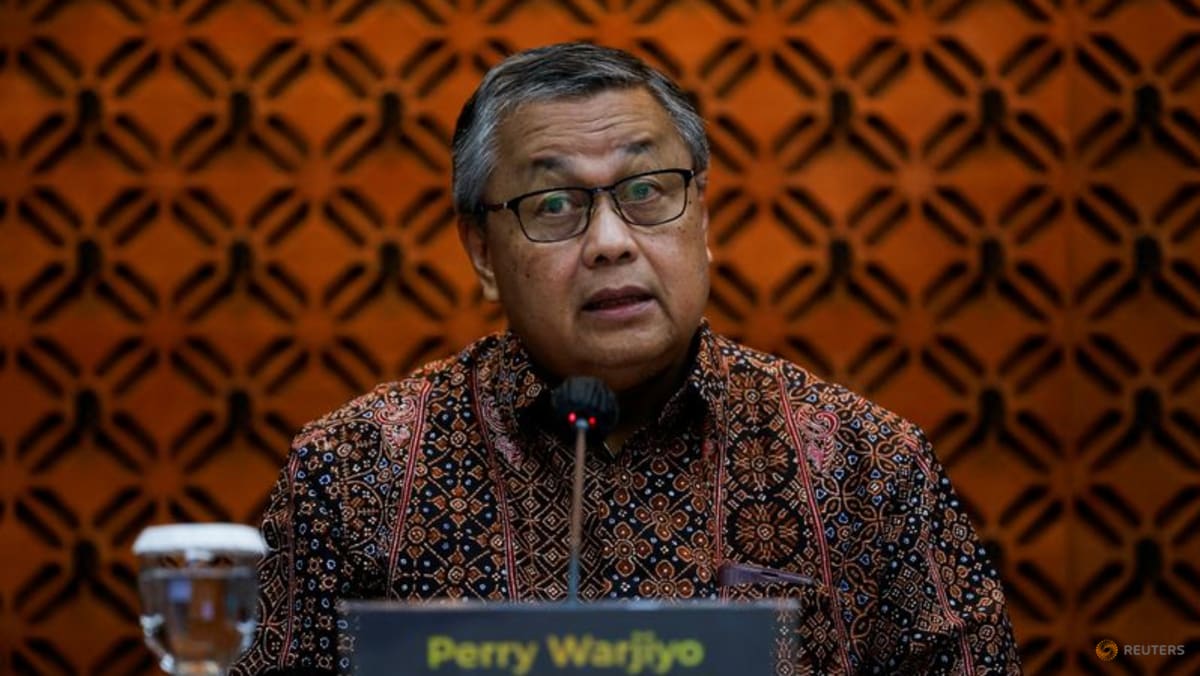
Remove that anchor and you introduce a credibility discount. If Prabowo’s nephew, Thomas Djiwandono, or another politically aligned figure takes the permanent role, expect markets to price in a higher risk premium on Indonesian assets. That means further rupiah depreciation, wider bond spreads, and likely capital outflows from Indonesian equities as foreign investors reassess policy independence.
This isn’t an isolated Indonesia story either. Investors already grew nervous last year when finance minister Sri Mulyani Indrawati was abruptly removed, and that episode dented confidence in fiscal discipline. Layering a central bank leadership shock on top of that reinforces a narrative: Indonesian institutions are increasingly subordinate to the executive’s growth ambitions.
Which Pairs Move, and in Which Direction
USD/IDR is the most direct expression of this story, and the bias is skewed toward further rupiah weakness unless the succession pick reassures markets quickly. A dovish or politically loyal appointee raises the odds Bank Indonesia keeps rates low to chase growth targets, even as inflation and currency stability arguments call for tightening. That divergence between domestic priorities and external funding needs is exactly what currency traders punish.
Beyond USD/IDR, expect spillover into other high-yielding Asian and emerging-market currencies. The Philippine peso, Indian rupee, and Malaysian ringgit often trade with some correlation to Indonesian sentiment, since global funds treat Southeast Asian EM FX as a basket during risk-off phases. Therefore, a rupiah selloff driven by institutional concerns can widen risk premiums across the region even without country-specific news elsewhere. Traders managing multiple EM longs should think carefully about basket exposure here — our guide on currency correlation in forex trading is a useful refresher on avoiding overlapping bets that all move on the same underlying risk factor.
The US dollar itself benefits modestly as a safe-haven counterpart in this specific pairing, though the dollar’s broader trajectory will be driven by Fed policy and US data rather than Indonesian politics. Still, any generalised EM risk-off wave tends to support DXY at the margin.
Who Benefits, and Who Gets Hurt
Short rupiah positioning is the obvious beneficiary if the succession process drags on or produces a politically loyal appointee. Macro funds and EM-focused hedge funds already running short IDR exposure via forwards or NDFs stand to profit from continued depreciation pressure. Exporters of commodities priced in dollars, meanwhile, get a competitive boost from a weaker rupiah, benefiting Indonesia’s palm oil and coal sectors even as the broader currency story turns negative.
On the losing side sit foreign bondholders in Indonesian government debt, who face both currency losses and potential spread widening if credibility concerns deepen. Local banks with dollar-denominated liabilities also face balance sheet pressure as the rupiah weakens further. Meanwhile, retail traders chasing yield through IDR carry trades should reconsider position sizing, given how quickly political headlines can override technical support levels.

Key Caveats and Risks to This View
This rupiah forex trade thesis carries real risks of being wrong. First, Destry herself has a solid technocratic reputation, and if she or another market-friendly figure is confirmed permanently, the credibility discount could unwind quickly. Second, Bank Indonesia’s decision last week to hold rates while offering fresh incentives for foreign inflows shows the institution still has tools and a bias toward defending the currency, regardless of who sits in the top chair.
Third, broader dollar dynamics matter enormously. If the Federal Reserve turns dovish or global risk appetite improves, EM currencies including the rupiah could rally regardless of domestic political noise. Traders should also watch correlated commodity markets, since Indonesia’s export revenue is closely tied to energy and materials prices; shifts there could offset some of the political risk premium, similar to how oil-sensitive currency pairs reacted during recent crude oil pullback episodes elsewhere in the FX complex.
Finally, succession timelines in Indonesia can move faster than expected once political pressure builds. A swift, credible appointment could neutralise much of the downside pressure within days rather than weeks, so traders holding short rupiah positions should keep tight risk controls and avoid overstaying the trade once clarity emerges.

Bottom Line
The rupiah forex trade now hinges on succession politics rather than pure macro fundamentals. Until Jakarta names a permanent, credible replacement, expect elevated volatility in USD/IDR and knock-on pressure across regional EM currencies. Position sizing and correlation awareness matter more than usual here, given how quickly sentiment can swing on a single appointment announcement.
Source: CNA

I’m Vinit Makol. With 20+ years in forex and financial markets, I serve as lead analyst at Edge-Forex, covering currency markets, macroeconomics, trading strategies, and market-moving events to give traders practical insights they can actually use.