
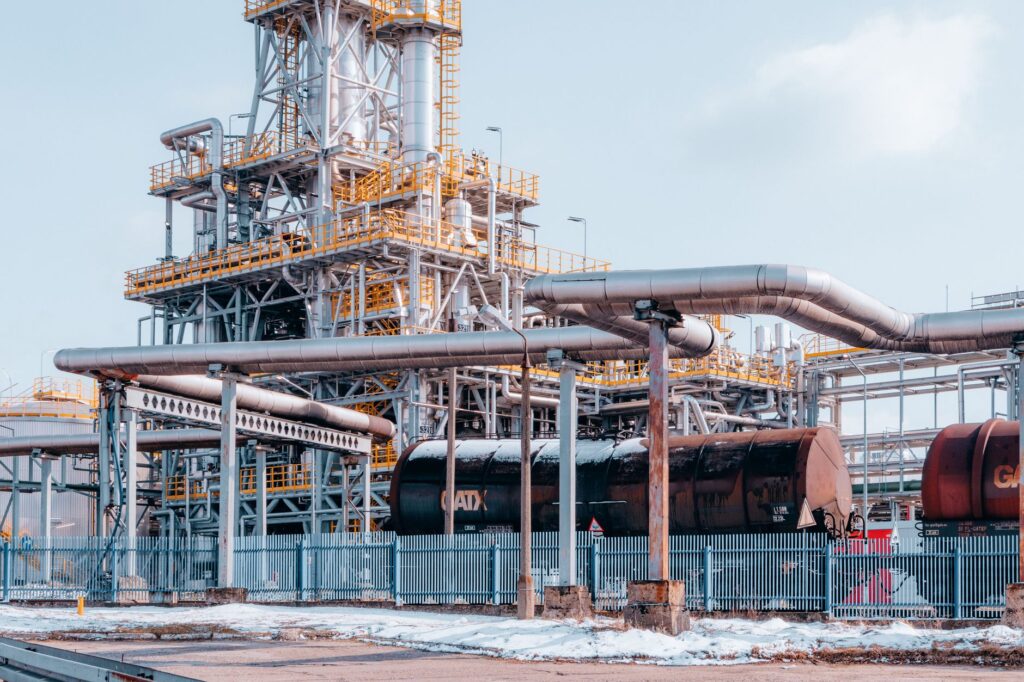
Volodymyr Zelenskyy says Ukraine is ready for a Ukraine energy ceasefire, an offer to halt strikes on energy infrastructure if Russia does the same. He made the comments on the sidelines of the United Nations General Assembly in New York, where he met Donald Trump and pressed for a trilateral meeting with Trump and Vladimir Putin to end the war “as quickly as possible.” For currency traders, this is not just a diplomacy story. Energy infrastructure, oil flows and winter heating costs sit right at the center of how the euro, the ruble, the dollar and oil-linked currencies get priced.

What Actually Happened
Zelenskyy told reporters that Ukraine and the US discussed how to end the war, and that Kyiv is willing to agree to an energy truce on condition Russia stops attacking Ukraine’s energy, electricity, heating and water infrastructure. He asked Trump to organize a trilateral summit with Putin, and separately urged Trump to bring in Chinese President Xi Jinping, arguing Xi has influence over Putin. Trump told reporters “we will get that one done” and referenced the diplomatic push in his UN speech. Meanwhile, Russia’s Defense Ministry has said it is planning “massive strikes” on Ukraine’s energy grid, and Ukraine has kept up its own strikes on Russian oil refineries and logistics, strikes Trump has said are “hurting the world” by disrupting fuel supply. Russia has “unfortunately lost control” of its diesel oil industry because of the war, Trump said on Truth Social.
Which Currencies Move on a Ukraine Energy Ceasefire
The clearest link runs through energy and the euro. The eurozone remains exposed to Russian energy disruption risk, and any credible step toward a ceasefire, or any breakdown in talks, tends to show up first in EUR crosses and in European gas-sensitive assets. The ruble is directly exposed too, since a real ceasefire on energy targets would reduce the disruption risk to Russian refining and export infrastructure, while continued strikes on that infrastructure squeeze the flows that support it. The dollar’s role is more about posture: as the country hosting the diplomacy and pushing both Russia and Ukraine toward a deal, moves in US rate expectations and safe-haven demand still dominate dollar direction, but a credible ceasefire narrative can ease some of the risk premium markets have attached to prolonged war. Oil-linked and commodity currencies stay sensitive to the refinery-strike headlines, since disruption to Russian diesel and refined product flows is already a live story shaping global fuel markets, independent of what happens with the ceasefire talks themselves.
For background on how these pairs actually move on macro and geopolitical headlines, see this breakdown of how forex trading works, and for the european angle specifically, this look at EU energy shock resilience and the euro’s risk premium.
Who Benefits and Who Loses
If Zelenskyy’s Ukraine energy ceasefire holds and a trilateral meeting materializes, the biggest winners are European currencies and assets tied to energy security, since a de-escalation lowers the odds of another winter of infrastructure strikes disrupting supply. Ukraine benefits from reduced attacks on its grid heading into winter. Russia could benefit from reduced pressure on its refining and export infrastructure if strikes on its side stop too, though its currency remains constrained by sanctions and war-related capital controls regardless of any energy truce. The losers in a ceasefire scenario are assets that have been pricing in continued disruption risk, since some of that risk premium would need to unwind. On the flip side, if talks stall, if Russia proceeds with what its Defense Ministry has called planned “massive strikes,” or if Ukraine continues hitting Russian refineries, the disruption to fuel markets that Trump has already flagged as “hurting the world” would likely persist or worsen, keeping energy-sensitive currencies volatile.

What This Means for You
For anyone who isn’t actively trading, this story still reaches everyday money in a few direct ways. Fuel and heating costs are the most immediate channel: continued strikes on Russian refineries and Ukrainian energy infrastructure feed into the diesel supply disruptions Trump has already pointed to, and any escalation, or a genuine Ukraine energy ceasefire this winter, will show up at the pump and in home heating bills across Europe. Borrowing costs are a second-order effect: central banks watch energy-driven inflation closely, so a durable ceasefire that eases fuel price pressure could support the case for steadier or lower rates, while renewed strikes and higher energy costs work the other way and keep inflation, and therefore mortgage and loan rates, under more pressure. If you hold savings in euros, rubles, or dollars, or you’re planning travel to Europe this winter, watch the headlines around this ceasefire and the proposed Trump-Putin-Zelenskyy meeting, since currency swings tend to follow the news on whether energy infrastructure stays a target or becomes protected.
If you’re new to reading these kinds of headline-driven moves, this guide to technical analysis approaches can help you separate noise from a genuine shift in trend, and this piece on trading psychology is useful for staying level-headed when headlines like this hit the wires.
Risks to This View
Diplomacy around this war has stalled before. Talks slowed as the US shifted attention to its war against Iran, even though negotiators Jared Kushner and Steve Witkoff did travel to Ukraine for the first time this month for direct talks with Zelenskyy. Zelenskyy himself said he isn’t sure Russia is ready for an energy ceasefire “as of today,” which means the currency-market reaction to this story could easily reverse if Moscow does not engage. There’s also no guarantee Trump succeeds in organizing the trilateral meeting Zelenskyy is asking for, or in engaging Xi Jinping the way Zelenskyy has requested. Russia has continued to describe Ukrainian energy sites as legitimate targets while Ukraine says the same about Russian ones, so both sides have strategic reasons to keep striking energy infrastructure even amid ceasefire talk. Markets should treat any near-term optimism around a Ukraine energy ceasefire as conditional, not confirmed, until both sides actually stop hitting each other’s infrastructure. Russia invaded Ukraine in early 2022, and Zelenskyy has said all sides need to work “24/7” to end the war, a reminder that this remains an active, fast-moving situation rather than a settled outcome.
Get daily forex setups and market breakdowns on our Telegram: Join Pip Talk on Telegram
This article is market analysis and commentary, not financial advice.

What the video covers
Zelenskyy says Ukraine will only halt strikes on Russia’s energy sites if Russia stops hitting Ukraine’s grid too. Trump backed the push at the UN, but by the end you’ll know the one currency most exposed here. Russia’s Defense Ministry is planning strikes on Ukraine’s grid, while Kyiv keeps hitting Russian oil refineries. For ordinary households, fuel and heating costs are the most immediate channel this touches.
Russia invaded Ukraine in early 2022, and energy flows have been disrupted ever since. Trump says the refinery strikes are ‘hurting the world,’ and that ripple reaches your fuel pump too. Central banks watch energy-driven inflation closely, so this ceasefire talk touches mortgage rates too. The same disruption dating back to 2022 is what keeps pushing borrowing costs higher.
A durable ceasefire could support steadier rates, while renewed strikes keep pressure on loans and mortgages. If you hold euros, rubles or dollars, or plan European travel, this story reaches your wallet too. Zelenskyy says all sides need to work 24/7 to end the war, so headlines move fast. Not every currency reacts the same way, and one of them tends to move first.
The ruble reacts directly to refinery strikes, while the dollar mostly follows US rate expectations. Of the three, fuel and heating bills are the channel to watch first this winter. Any escalation, or a genuine ceasefire, will show up first at the pump and in heating bills. The clearest link runs through energy and the euro, more than the ruble or the dollar.
Zelenskyy himself admits he isn’t sure Russia is ready for this ceasefire as of today. This is analysis, not a signal. Treat any optimism as conditional until both sides actually stop striking.
Transcript of “Ukraine energy ceasefire: what it means for your fuel bill and savings”.

I’m Vinit Makol. With 20+ years in forex and financial markets, I serve as lead analyst at Edge-Forex, covering currency markets, macroeconomics, trading strategies, and market-moving events to give traders practical insights they can actually use.