
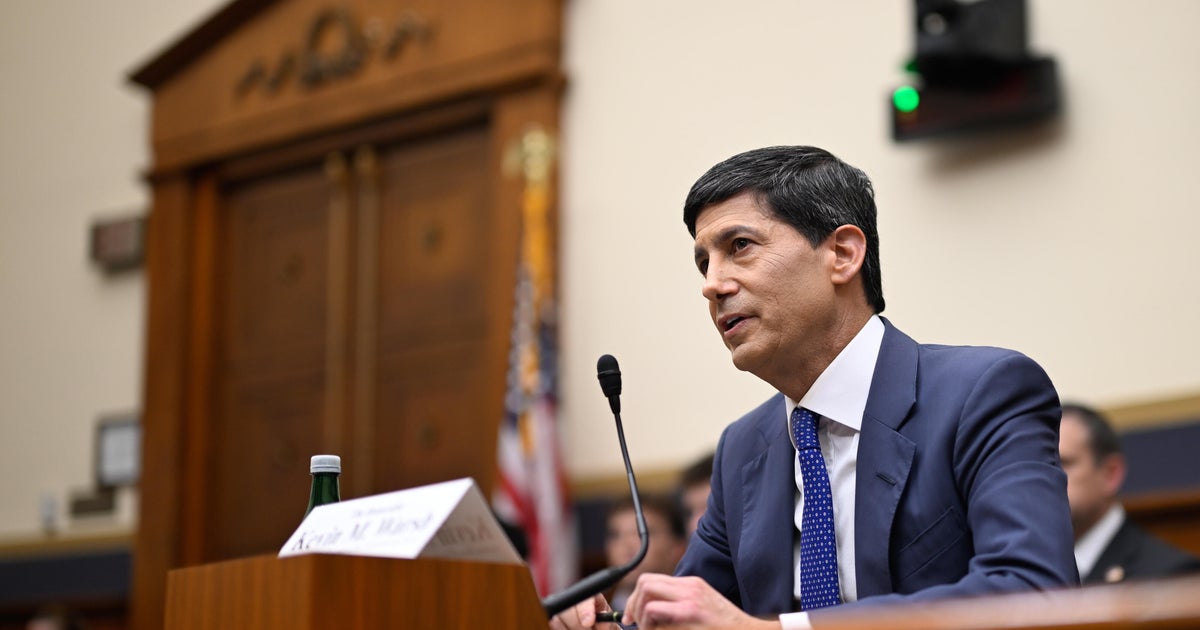
The Warsh Fed dollar impact became the dominant theme in currency markets this week after new Chairman Kevin Warsh vowed to “tackle inflation” in his first congressional testimony. He told the House Financial Services Committee that policymakers have “no tolerance” for elevated prices, calling inflation “a choice.” However, the same morning brought a cooler June CPI print of 3.5%, and markets flipped fast.
As CBS News reported, the CME FedWatch tool jumped to an 86% probability of a hold. Meanwhile, Warsh signaled he wants a more tight-lipped Fed with less forward guidance. For FX traders, that combination of hawkish rhetoric, softer data, and murkier communication is a recipe for volatility.

Why the Warsh Fed Dollar Impact Cuts Both Ways
Warsh’s message pulls the dollar in two directions at once. His inflation-fighting language is hawkish, which normally supports the greenback. However, the market reaction to CPI leaned dovish, pricing out a near-term hike.
Therefore, the immediate move favored a softer dollar. The DXY slipped as rate-hike odds faded. Meanwhile, Treasury yields on the short end eased, narrowing the rate advantage the dollar enjoyed against lower-yielding peers.
Yet the reasoning matters more than the headline. Warsh explicitly kept optionality open. He refused to disclose the path for future rate decisions. As a result, traders cannot fully fade the dollar, because a re-acceleration in inflation would revive hike bets quickly.
Which Currency Pairs Move, and In Which Direction
EUR/USD
EUR/USD is the cleanest expression of a softer-dollar view. If hike odds keep fading, the euro grinds higher toward recent range tops. However, the ECB’s own easing bias caps the upside. Therefore, expect a choppy climb rather than a clean breakout.
USD/JPY
The yen is the most rate-sensitive major. Falling US short-end yields compress the carry that has powered USD/JPY for years. As a result, a dovish repricing pressures the pair lower. That said, intervention dynamics and Bank of Japan caution keep the tape two-way. Traders watching the pair should review the USD/JPY intervention risk that repeatedly stalls rallies near key levels.
GBP/USD and Commodity Dollars
Sterling and the Australian dollar tend to rally when the dollar softens and risk appetite improves. However, the CPI backstory includes an energy shortage tied to conflict in the region. Higher oil complicates the picture for oil importers and helps producers like Canada, supporting CAD selectively.
Who Benefits From the Move
Positioning Winners
Traders holding short-dollar and long-euro positions benefit most from a confirmed hold. Meanwhile, yen shorts sitting on fat carry profits face squeeze risk and may trim exposure. Options desks benefit too, because reduced forward guidance raises uncertainty and lifts implied volatility.
Economies and Sectors
A more circumspect Fed helps emerging-market currencies that suffered under a strong dollar. Lower US yields ease their debt-servicing burden. Meanwhile, gold and silver gain when real yields drift lower and the dollar softens, so metals-focused traders tend to lean bullish here.
Still, the energy shock is a wildcard. Oil exporters gain terms-of-trade support, while importers see currency pressure. Therefore, the beneficiary list depends heavily on whether the supply squeeze eases.

The Communication Shift Is a Bigger Deal Than the Rate Call
Warsh’s pledge to provide less forward guidance changes how FX traders must operate. For years, markets front-ran the Fed by parsing dot plots and speeches. However, a quieter Fed removes that crutch.
As a result, data releases become sharper catalysts. Each CPI, payrolls, and PCE print will move pairs more violently, because the market has fewer official signals between meetings. Meanwhile, meeting days themselves become higher-variance events.
This raises the premium on disciplined risk control. When guidance thins, gaps and whipsaws grow. Therefore, sizing trades carefully matters more than ever, and a solid forex position sizing calculator helps keep exposure sane during these headline-driven sessions.
The Mechanism: How Rhetoric Translates Into Price
Currency values track relative interest-rate expectations and relative growth. Warsh’s hawkish tone lifts the perceived floor under US rates. However, soft data lowers the perceived ceiling. FX prices settle where those two forces meet.
Because the June print cooled, the ceiling dropped faster than the floor rose. Therefore, the dollar eased on net. Meanwhile, the refusal to commit keeps the floor firm, which prevents a disorderly slide.
Think of it as a compressed spring. The dollar is not collapsing, but its upside momentum has stalled. Any hot inflation surprise, however, snaps the spring back toward strength quickly.
Key Risks and Caveats to the Dovish View
Several risks could invalidate a short-dollar stance.
First, the energy shortage could reignite inflation. If pump prices climb again, the Fed’s tolerance rhetoric turns into real hikes. As a result, the dollar rebounds hard.
Second, Fed independence is now a market variable. Questions about political pressure on policymakers surfaced during the hearing. However, credibility doubts can weaken a currency even when rates stay high, because investors demand a risk premium.
Third, one CPI print is not a trend. The 86% hold probability reflects a single data point. Meanwhile, revisions or a hot follow-up could swing odds sharply.
Fourth, positioning is crowded. If too many traders lean short dollar, a squeeze becomes likely on any hawkish surprise. Therefore, contrarian risk is real.

How Traders Should Approach the Setup
Flexibility beats conviction here. Trade the range in EUR/USD rather than chasing a breakout. Fade extreme moves in USD/JPY while respecting intervention zones. Meanwhile, keep stops tight because a quieter Fed amplifies data-day swings.
Define risk before entry. With guidance fading, surprise potential rises, so disciplined forex risk management strategies protect capital against the whipsaws these headlines create.
The bottom line on the Warsh Fed dollar impact is nuance. His words are hawkish, the data is soft, and his communication style is deliberately opaque. As a result, expect a two-way, headline-driven dollar rather than a clean trend, and size accordingly.
Source: CBS News

I’m Vinit Makol, and I write to make sense of the markets, from forex and precious metals to the macro shifts that drive them. Here, I break down complex movements into clear, focused insights that help readers stay ahead, not just informed.