
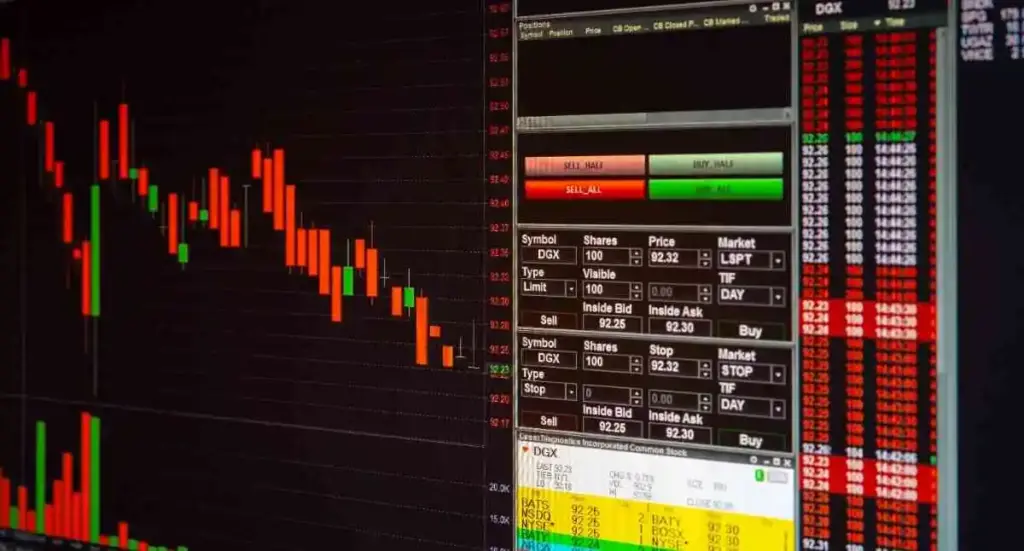
Most traders fail for one simple reason. They never develop a trading edge. Without a trading edge, every trade becomes a guess. With a trading edge, decisions follow logic and probability. This difference matters even more in forex and metals, where volatility punishes mistakes quickly. A trading edge does not mean perfection. It means having a repeatable reason to take trades and manage risk consistently. This article explains what a trading edge really is and how to develop one without relying on hype or shortcuts.
Understanding the Real Meaning Behind Consistency
At its core, a trading edge is a repeatable advantage. It gives structure to decisions. It explains why certain setups deserve risk while others do not. This advantage does not remove losses. Losses remain part of the process. The difference is that winners outweigh losers over time.
Many traders confuse activity with progress. They trade often but without structure. Consistency only appears when decisions follow the same logic every time.
An effective approach usually comes from:
- How price behaves around key levels
- How traders react emotionally during volatility
- How liquidity enters and exits the market
- How risk is controlled when conditions change
Indicators alone do not create forex trading strategies with an edge. Context and execution create results.
Clearing Up Common Misunderstandings
Many traders believe they have an advantage when they do not. This belief creates false confidence and inconsistent performance.
A repeatable advantage is not:
- A single indicator
- A high win rate by itself
- Random entries with tight stops
- Copying signals without understanding
- Over-optimized strategies that fail live
RSI alone does not create forex trading strategies with an edge. Moving averages alone do not create a gold and silver trading edge. Tools support decisions. Logic drives outcomes.
Why Structure Matters in FX and Metals Markets
Forex and metals move fast. Noise dominates lower timeframes. Emotions rise quickly when price accelerates.
An edge in forex and metals introduces structure during chaos. It slows decisions and removes impulse trades.
In currency markets:
- Liquidity clusters near obvious levels
- Sessions control volatility and direction
- Each pair behaves differently
In metals markets:
- Gold reacts strongly to yield expectations
- Silver magnifies momentum phases
- Volatility expands suddenly near key levels
Without structure, traders chase price. With structure, traders wait.
The Elements That Create a Repeatable Advantage
Every durable approach relies on a few core elements working together. Remove one, and results suffer.
These elements include:
- Awareness of market conditions
- Clear entry logic
- Defined risk rules
- Consistent execution
- Positive expectancy over time
Missing any of these weakens the entire framework.
Market Conditions and Timing
Markets rotate between trends and ranges. A reliable approach defines when conditions favor action and when they do not.
Trending conditions often favor:
- Breakout continuation
- Pullback entries in the direction of momentum
Range conditions often favor:
- Mean reversion
- Support and resistance trades
An edge in forex and metals improves when traders respect sessions. London and New York provide participation. Asian hours often lack follow-through.
Forex trading strategies with an edge avoid low-quality environments instead of forcing trades.
Entry Logic and Trade Structure
Clear entry rules remove hesitation. Vague ideas fail under pressure.
Strong logic answers three questions:
- Where does price react?
- Who is trapped in the move?
- Where does the idea fail?
Forex trading strategies with an edge often rely on:
- Session highs and lows
- Round numbers
- Liquidity sweeps
A gold and silver trading edge often focuses on:
- Weekly support and resistance
- Failed breakouts
- Volatility compression before expansion
Clarity improves execution speed and confidence.
Risk Control as the Quiet Advantage
Risk control often matters more than entries. Many traders ignore this until it is too late.
Strong risk rules include:
- Fixed risk per trade
- Predefined stop placement
- Consistent position sizing
- Fast acceptance of losses
In metals, volatility demands respect. Tight stops fail often. A gold and silver trading edge collapses without volatility awareness.
Risk discipline turns small advantages into sustainable results.
How Traders Actually Build Consistency
Many traders ask how to develop a trading edge. The process is slower than most expect, but it works.
- Start by focusing on one market. Familiarity reduces mistakes.
- Observe price reactions daily. Do not predict. Watch how price behaves.
- Define one setup clearly. Avoid complexity early.
- Track every trade honestly. Include emotions and mistakes.
- Refine rules slowly. Remove what adds no value.
- How to develop an edge requires repetition, not shortcuts.
Applying Structure in Forex Markets
Specialization improves results. Each currency pair has a personality.
Forex trading strategies with an edge often focus on:
- London session breakouts
- New York reversals
- Trend continuation zones
An edge in forex and metals strengthens when traders stop chasing every pair and every timeframe.
Depth beats breadth.
Applying Structure in Gold and Silver
Metals reward patience and punish impatience.
A gold and silver trading edge relies on reaction rather than prediction. Gold respects macro expectations and positioning. Silver exaggerates moves during momentum phases.
Key observations include:
- Reactions at weekly levels
- Sudden volatility spikes
- Failed breakouts that trap traders
Stops must reflect volatility. Precision matters more than frequency.
Testing Before Trusting
Ideas do not equal results. Testing turns ideas into something usable.
Backtesting reveals:
- Win rate
- Drawdowns
- Risk exposure
Forward testing reveals:
- Execution errors
- Emotional weaknesses
- Slippage and timing issues
How to develop a trading edge always involves both stages.
Why Most Traders Never Reach Stability
Most traders quit before structure develops.
Common reasons include:
- Strategy hopping
- Overtrading
- Fear of losses
- Unrealistic expectations
Forex trading strategies with an edge require discipline. A gold and silver trading edge requires patience.
Consistency feels boring. That boredom protects capital.
Improving What Already Works
Even solid frameworks evolve over time.
You can improve results by:
- Cutting low-quality trades
- Improving timing
- Reducing exposure during major news
Small improvements compound steadily.
Final Thoughts
A trading edge defines long-term consistency. It controls risk and guides decisions without emotion.
An edge in forex and metals focuses on probability rather than certainty. Forex trading strategies with an edge respect structure. A gold and silver trading edge respects volatility.
If you can explain your approach clearly and execute it consistently, you already operate ahead of most traders.
Click here to read our latest article What Is the Phillips Curve in Currency Markets?

I’m Kashish Murarka, and I write to make sense of the markets, from forex and precious metals to the macro shifts that drive them. Here, I break down complex movements into clear, focused insights that help readers stay ahead, not just informed.