
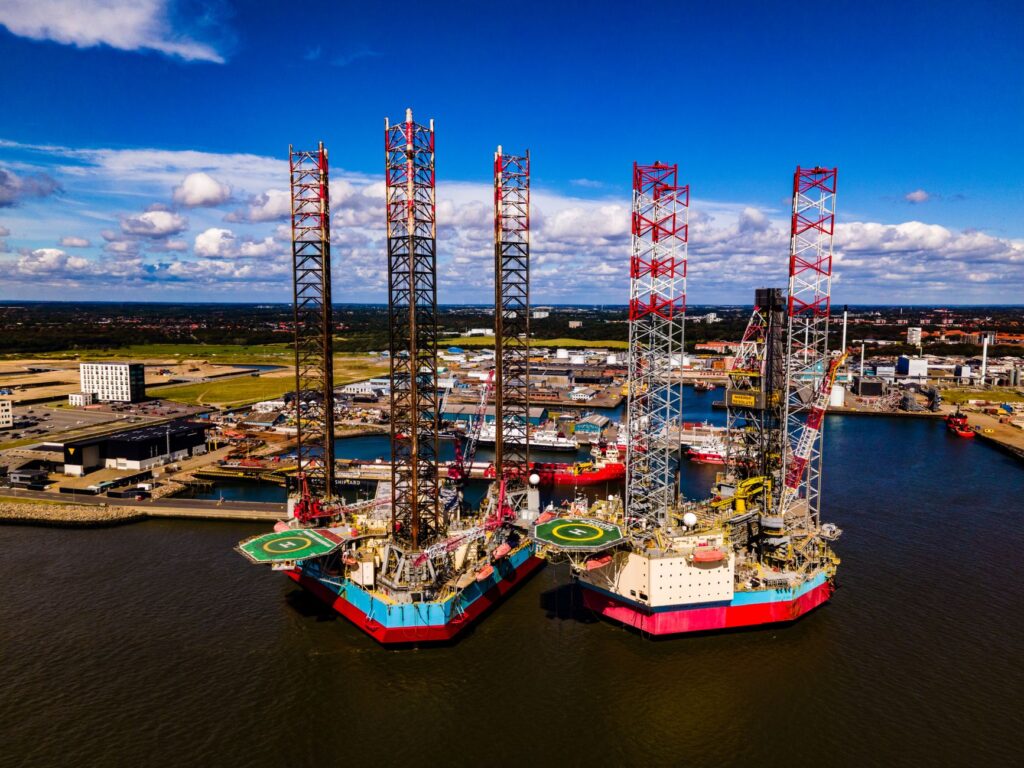
An Australian dollar oil shock is rapidly reshaping the macroeconomic landscape. Escalating Middle East conflicts have pushed global crude back above $US100 a barrel. According to recent reports, Australian households now face soaring petrol prices above $2 a litre and the looming threat of another Reserve Bank interest rate hike. Economists warn that an intensifying US-Iran war, alongside Houthi blockades in the Red Sea, has severely constrained global supply. The Ukrainian destruction of Russian energy infrastructure has also piled pressure on global reserves. Consequently, financial markets now price an even chance of a fourth RBA cash rate increase at the August meeting. Furthermore, the phasing down of government fuel tax relief adds fuel to the fire. Therefore, this toxic mix of rising energy costs and hawkish central bank repricing creates a unique forex trading environment.

The Mechanics Behind the Australian Dollar Oil Shock
How does an Australian dollar oil shock actually transmit through the currency markets? Generally, Australia is a net energy importer. Therefore, higher crude prices act as a direct tax on domestic consumption. However, the immediate forex reaction hinges on how the RBA responds to secondary inflation effects. If policymakers hike rates to defend their inflation-targeting credibility, nominal yield differentials widen. As a result, short-term carry traders might initially flock to the Aussie. But there is a major catch. Surging borrowing costs combined with climbing fuel bills squeeze household disposable incomes. Thus, a domestic growth slowdown usually follows, capping any aggressive AUD upside. Furthermore, business sentiment deteriorates as input costs surge, leading to reduced capital expenditure. Ultimately, the central bank’s attempt to crush energy-driven inflation risks pushing the broader economy into a recession.
Currency Pairs in the Crosshairs
AUD/USD Dynamics
The AUD/USD pair often exhibits a schizophrenic response to such supply shocks. Initially, the Australian dollar oil shock triggers upside momentum as rate hike bets surge. Traders buy the AUD to capture higher yields. Yet, this rally is inherently fragile. Meanwhile, the US dollar benefits from its traditional safe-haven status during Middle Eastern conflicts. Because the Federal Reserve also faces energy-driven inflation, the greenback enjoys strong backing. Thus, any AUD/USD bounce above key resistance levels likely faces aggressive selling. Subsequently, the pair is highly susceptible to sharp reversals if RBA officials hint at tolerating above-target inflation to protect the slowing economy. For broader context, you can explore how a Fed Rate Hike Oil Shock: How a $100 Barrel Reshapes the Dollar and the Majors impacts global yield spreads.

AUD/JPY and Risk Sentiment
Furthermore, AUD/JPY is highly vulnerable during this scenario. The Japanese yen typically gains when geopolitical tensions flare, as funds repatriate from higher-yielding but riskier assets. Even if the RBA hikes, the Australian dollar oil shock introduces severe stagflation risks. Stagflation heavily damages corporate earnings and sours risk appetite. Consequently, the yield advantage of the Aussie might fail to outweigh the safe-haven demand for the yen. Therefore, traders should monitor sentiment indicators closely. A breakdown in global equities will likely drag AUD/JPY lower, regardless of domestic rate hike expectations. In addition, Japanese authorities may intervene to support their currency if volatility spikes. As a result, shorting AUD/JPY becomes a compelling proposition for those anticipating a global flight to safety.
Who Benefits From the Australian Dollar Oil Shock?
While the Australian dollar struggles with conflicting forces, other currencies clearly benefit from an Australian dollar oil shock. The Canadian dollar (CAD) and Norwegian krone (NOK) stand out as primary beneficiaries. Both Canada and Norway are major net energy exporters. Consequently, a $100 barrel directly boosts their national current accounts and fiscal revenues. As a result, their central banks possess ample room to sustain higher interest rates without fearing domestic growth destruction. In contrast, the RBA lacks this luxury. Higher energy prices essentially export inflation to Australia, while Canada and Norway export inflation but reap the financial rewards. Therefore, the fundamental divergence is stark.
Moreover, commodity-linked currencies often decouple from the broader risk-off environment when supported by strong fundamental terms of trade. Specifically, the CAD might outperform the AUD on a relative basis. While the RBA agonizes over stagflation risks, the Bank of Canada can lean against oil-driven inflation without crippling domestic consumption. Hence, cross-pair traders should consider going long CAD/AUD. This trade effectively captures the divergence between a net energy exporter and a net energy importer enduring an Australian dollar oil shock. Furthermore, the NOK could also outperform the Aussie. The Norwegian central bank explicitly ties its monetary policy to robust energy revenues, making NOK/AUD a strong fundamental buy on dips during geopolitical flare-ups.

Key Risks and Caveats to the Trading View
Every macro thesis has critical risks. The primary caveat here is the duration of the oil price spike. As some economists note, if crude quickly reverses below $100, the immediate inflation panic will fade. In that case, the RBA would likely pause its hiking cycle, relieving pressure on households. Subsequently, the Australian dollar would lose its rate-hike premium entirely. Therefore, traders must use tight stop-losses on any aggressive short positions. Additionally, oil markets are notoriously volatile. A sudden surge in US shale production or a release from the Strategic Petroleum Reserve could easily cap crude prices, deflating the entire energy-driven macro narrative.
Additionally, the domestic data flow remains crucial. If unemployment spikes sharply before the August meeting, the RBA might prioritize labor market stability over a temporary fuel-price jump. Such a decision would instantly deflate AUD longs. Because forex markets react violently to policy surprises, sudden volatility is guaranteed. To navigate this choppy environment, reading the Oil Price Forex Impact: Why June’s Cool CPI Is Already Stale is vital for understanding how lagging inflation data misleads traders. Furthermore, consumer confidence surveys often drop before the actual economic data does. Therefore, monitoring Australian consumer sentiment indices can provide an early warning system for a deeper growth slump.

Strategic Positioning Ahead of the RBA
Ultimately, an Australian dollar oil shock creates a classic stagflation trap for the currency. The RBA is caught between a slowing economy and rising inflation expectations. Therefore, the optimal strategy involves fading short-term AUD strength against safe havens and net energy exporters. Specifically, shorting AUD/USD into rallies or buying CAD/AUD on dips offers favorable risk-reward profiles. Meanwhile, keeping position sizes conservative is essential, because Middle Eastern geopolitics can shift overnight. A sudden ceasefire or a strategic reserve release would instantly slash oil prices, invalidating the entire stagflation thesis.
In summary, the current energy crisis complicates the Aussie’s trajectory. While rate hike bets provide a temporary floor, the long-term structural damage from high fuel costs will eventually weigh heavily on the AUD. Traders should remain agile, focusing on yield differentials but hedging against sudden geopolitical de-escalation.
Source: The Guardian

I’m Vinit Makol, and I write to make sense of the markets, from forex and precious metals to the macro shifts that drive them. Here, I break down complex movements into clear, focused insights that help readers stay ahead, not just informed.