
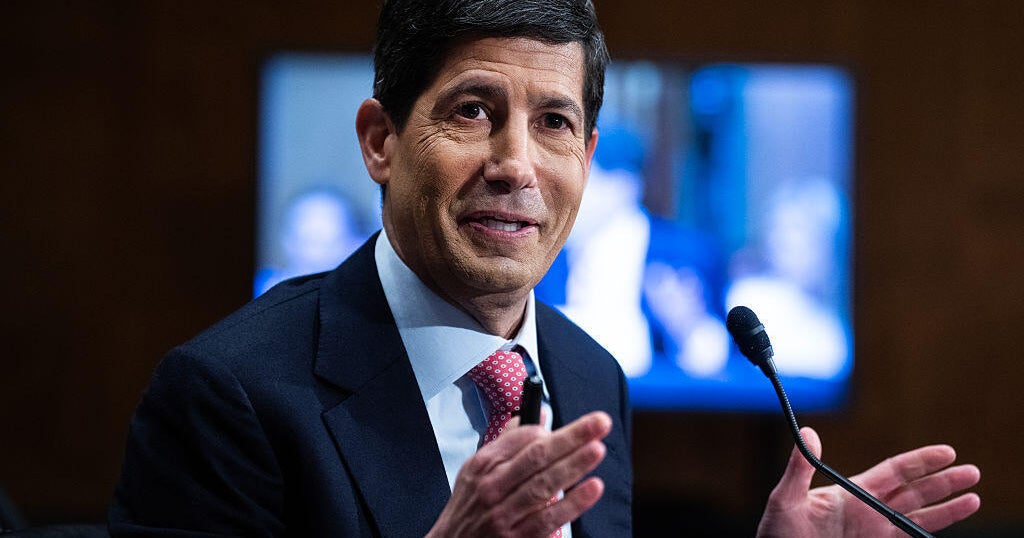
The Federal Reserve meets next week, and the Fed rate hike oil narrative has suddenly vaulted back to the top of every FX trader’s watchlist. Oil has topped $100 a barrel, FedWatch odds of a July hike have tripled to 38%, and Chair Kevin Warsh’s promise of less forward guidance has left markets guessing. As a result, the dollar is caught between a hawkish re-pricing and a risk-off bid that could cut both ways.
Here is the original reporting that sets the scene:
> The Federal Reserve is expected to leave interest rates unchanged at its July meeting next week, but rising oil prices have prompted investors to sharply increase their bets that a fresh rate hike could come later this year… Oil prices have surged in recent weeks, topping $100 a barrel on Thursday, suggesting that inflation may remain a stubborn issue in the near term, experts say.
That macro hook is only the beginning for currency traders. The real opportunity lies in mapping which pairs absorb the Fed rate hike oil shock, why the mechanism transmits, and where the positioning edge sits before Wednesday’s 2 p.m. ET decision.

Why the Fed Rate Hike Oil Link Hits the Dollar First
The transmission is straightforward but often mispriced. When crude surges past $100, it lifts the headline CPI through gasoline and distillate channels with a roughly two-month lag. Therefore, a July spike shows up in September and October prints—exactly the window where the CME FedWatch tool now prices a meaningful hike probability.
However, the dollar’s reaction is not linear. A genuine hike expectation widens the front-end rate differential in favor of the greenback, which structurally supports USD against low-yield funding currencies. Meanwhile, the same oil shock pressures growth and risk appetite, which can blunt the dollar’s upside against safe-haven counterparts. Traders who only read the hawkish headline risk missing this two-sided flow.
We have already explored how Warsh’s communication style reshapes dollar positioning in our deeper Warsh Fed Dollar Impact analysis. The key takeaway there applies here: less forward guidance means greater volatility around data prints, and oil is now the dominant data input.
Currency Pairs in the Crosshairs
USD/JPY: The Asymmetric Long
Japan imports nearly all its crude, so the Fed rate hike oil dynamic is a double blow to the yen. Higher oil widens Japan’s trade deficit, while higher U.S. rates keep the front-end yield gap wide. As a result, USD/JPY remains the cleanest expression of this theme. Positioning is already stretched, however, which means fresh longs face intervention risk near well-tested resistance. Traders should scale in on dips toward the 21-day EMA rather than chasing breakouts.
EUR/USD: The Energy Penalty Returns
The euro zone is also a net energy importer, and a $100 barrel hits the terms of trade. Consequently, EUR/USD faces downward pressure from two fronts: a widening rate differential if the Fed hikes, and a deteriorating energy import bill. The ECB has less room to respond because eurozone core inflation is softer. Therefore, EUR/USD is the highest-conviction short among the majors, with the 1.07-1.08 zone offering asymmetric risk if the Fed signals September openness.
GBP/USD: Less Vulnerable, But Not Immune
Sterling benefits from the UK’s North Sea production cushion and a relatively hawkish Bank of England. Nevertheless, a global risk-off wave from surging crude can drag GBP/USD lower alongside equity markets. The pair is a better fade on rallies than a momentum short.
Commodity Currencies: A Divided House
The Canadian dollar is the direct beneficiary of the Fed rate hike oil linkage, because CAD strengthens on both higher crude revenues and a narrowing rate gap. Meanwhile, the Australian dollar faces a cross-current: oil is not a major Australian export, but the Middle East conflict that drives crude higher also saps Asian risk sentiment. For broader context on how that conflict transmits to FX, our Oil Spike Currency Trade breakdown maps the heating-oil fallout across the majors in detail.
Who Benefits and Who Gets Squeezed
The winners are straightforward: short-EUR/USD and long-USD/JPY positioning captures the core thesis. Long-CAD crosses, particularly EUR/CAD short, benefit from the energy revenue tailwind. Carry traders who fund in yen or Swiss franc also gain, provided they hedge the geopolitical tail risk.
However, the squeeze risk is real. If Warsh keeps rates on hold and signals patience, the hawkish bets unwind violently. Front-end implied volatility has already richened, meaning straddle buyers pay a premium. Instead, risk reversals offer cheaper exposure to the downside skew in EUR/USD or USD/JPY if you want convexity without paying full vol.

Key Caveats and Risks to the View
First, oil is volatile in both directions. A $15 pullback in crude would collapse the hike odds and unwind the entire trade. Therefore, size positions to survive a 20% crude retracement.
Second, Warsh’s reduced forward guidance cuts both ways. Less signaling means the press conference could swing rate expectations sharply in either direction. Traders should reduce exposure into the 2 p.m. announcement rather than holding full risk.
Third, the U.S.-Iran escalation risk is a genuine tail. A de-escalation headline would reverse the energy premium quickly, which is why stop placement matters more than entry timing here.
Finally, positioning matters. CFTC data shows speculative dollar longs are already elevated. A crowded long means the squeeze risk on a dovish surprise is amplified.

The Tactical Roadmap for the Week Ahead
Heading into Wednesday’s decision, the base case is a hold at 3.50-3.75%. But the statement language and Warsh’s press conference will be the true catalyst. Watch for any reference to “energy pass-through” or “inflation persistence”—those are the telltale phrases that flip September odds.
For execution, prefer defined-risk structures over naked spot. Short EUR/USD exposure via options captures the Fed rate hike oil thesis with capped downside if Warsh disappoints hawks. Similarly, long USD/JPY via dips avoids chasing the pair into a crowded rally.
In summary, the Fed rate hike oil story is not just a macro headline. It is a live cross-asset driver with clear FX transmission paths, identifiable winners, and well-defined risks. Trade it with conviction, but respect the volatility.
Source: CBS News

I’m Vinit Makol. With 20+ years in forex and financial markets, I serve as lead analyst at Edge-Forex, covering currency markets, macroeconomics, trading strategies, and market-moving events to give traders practical insights they can actually use.