
The BoE coal policy GBP story looks like a climate headline, but it carries a quiet message for currency traders. From October 2026, the Bank of England will no longer accept bonds linked to thermal coal for its key loan operations. Campaigners call it a victory. However, the more interesting angle sits in the plumbing of central bank collateral, where funding costs and bank balance sheets ultimately shape the pound.
As the Guardian reported, the Bank framed the move around financial risk, not activism. It warned that coal-linked bonds are “too risky” as the economy shifts toward net zero. Meanwhile, the Bank released the policy with little fanfare, wary of a US-led backlash against green finance. For FX, that subtlety matters. Central bank plumbing rarely trends, yet it can shift funding conditions that feed straight into sterling.

Why the BoE Coal Policy GBP Link Is Real, Not Symbolic
Start with the mechanism. Commercial banks pledge collateral to borrow from the central bank. When the BoE narrows eligible collateral or applies bigger haircuts, banks must hold more high-quality assets to raise the same cash. Therefore, the effective cost of funding edges up at the margin.
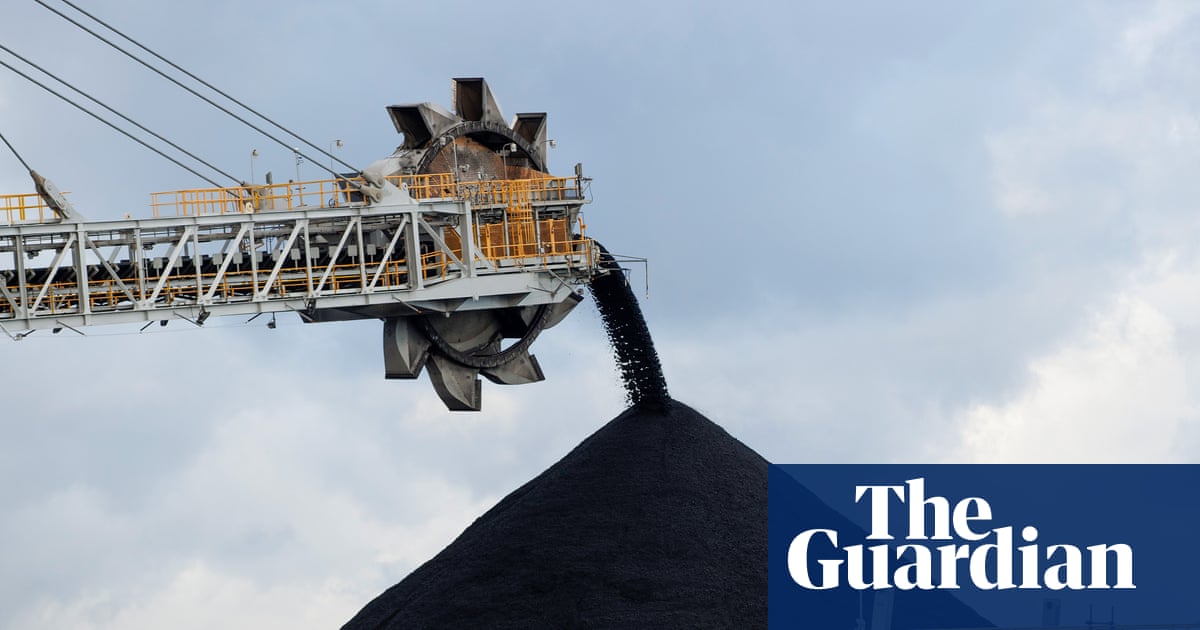
Higher funding costs, however small, tend to tighten domestic financial conditions. That usually supports a currency in isolation, because tighter conditions echo a hawkish lean. Yet the effect here is tiny. Thermal coal exposure across UK bank collateral pools is minimal in 2026. As a result, the direct sterling impact is close to a rounding error.
The signalling channel is where the real trade lives. The BoE is telling markets it will discount transition-risk assets more aggressively than the ECB or the Fed. That divergence in collateral philosophy, repeated across sectors, gradually reprices UK bank balance sheets and the risk premium in the pound.
Which Pairs Move, and In Which Direction
On a headline basis, expect almost nothing in GBP/USD or EUR/GBP. This is not a rate decision. However, traders should watch three slower channels.
GBP/USD: A Slow Structural Tilt
The policy reinforces a picture of a BoE embedding climate risk into its framework while the Fed retreats. Over months, that supports a modest sterling risk premium narrative, not a spike. If UK banks face gradually higher collateral costs, net interest margins compress, which can weigh on financials and cap GBP/USD rallies. The net directional read is neutral-to-slightly-bearish for the pound versus a firm dollar, and it fits the broader theme of policy divergence across major FX pairs.
EUR/GBP: The Divergence Trade
The ECB accepts a wider coal-linked collateral pool. Therefore, on pure collateral policy, the BoE looks stricter. If UK banks bear more transition-related friction than eurozone peers, EUR/GBP has a slow upward bias. However, this is a multi-quarter theme, easily overwhelmed by rate spreads and growth data.
Commodity FX: AUD and CAD
Thermal coal is a major Australian export. A prominent Western central bank branding coal collateral as too risky adds to the long-term demand-destruction story. AUD/USD carries a faint extra drag, especially if other central banks copy the BoE. CAD is more insulated, since Canadian energy exposure skews to oil, a dynamic covered in our look at how Venezuela tensions affect global oil trade.
Who Benefits From the Move
Several cohorts stand to gain if the theme plays out.
- EUR/GBP longs positioned for slow collateral divergence between the two central banks.
- AUD bears already leaning on structural coal demand decline.
- UK bank equity shorts, which can bleed into a softer pound through the financials channel.
- Green-tilted macro funds that treat transition risk as a repricing catalyst.
Meanwhile, economies that dominate coal exports, notably Australia and Indonesia, sit on the losing side over the long run. Sterling-focused carry traders are mostly indifferent, since the policy does not touch the Bank Rate.

The Caveats That Kill the Trade
Here is where discipline matters. First, the magnitude is small. Coal collateral is a sliver of the total pool. Therefore, anyone sizing a big GBP position on this alone is trading a headline, not a fundamental.
Second, the political backdrop cuts both ways. The article notes a US-led retreat from green finance. If that backlash intensifies, the BoE may soften implementation, and the divergence trade fades. The haircut methodology is still undefined, so the actual cost impact remains unknown.
Third, rate differentials dominate everything here. A single surprise UK inflation print or a Fed pivot will swamp any collateral-driven move in GBP/USD. This theme is a background tilt, not a catalyst.
Finally, correlation risk is real. Coal, oil, and broader energy sentiment move together. A trader shorting AUD on coal news can get run over by an oil spike, as we saw in the oil shock currency lessons from Hormuz.
How to Trade It Without Overcommitting
Treat this as a low-conviction, slow-burn overlay. Express it in EUR/GBP or AUD crosses rather than GBP/USD, where dollar noise dominates. Keep position size modest and let the theme confirm through follow-through: wider sector exclusions, published haircut schedules, or copycat moves from the Fed and ECB.
Risk controls matter more than the thesis. Because the edge is thin, a wide stop with tiny size beats a tight stop with a full clip. Scale only if the BoE extends exclusions beyond coal, as campaigners want. Until then, this is a monitoring trade, not a conviction trade.

The Bigger Picture for Sterling
The deeper takeaway is that central banks are quietly weaving climate risk into collateral frameworks. Over years, that reshapes which assets are money-good, which banks pay more to fund, and which currencies carry a transition premium. The BoE is early and strict. Therefore, sterling becomes a testing ground for whether green collateral policy moves FX at all.
For now, the honest answer is: barely, and slowly. However, slow structural shifts are exactly where patient traders build edge. Watch the haircut design in the autumn. That detail, not the headline, will decide whether the BoE coal policy GBP theme deserves real capital.
Source: The Guardian

I’m Vinit Makol. With 20+ years in forex and financial markets, I serve as lead analyst at Edge-Forex, covering currency markets, macroeconomics, trading strategies, and market-moving events to give traders practical insights they can actually use.