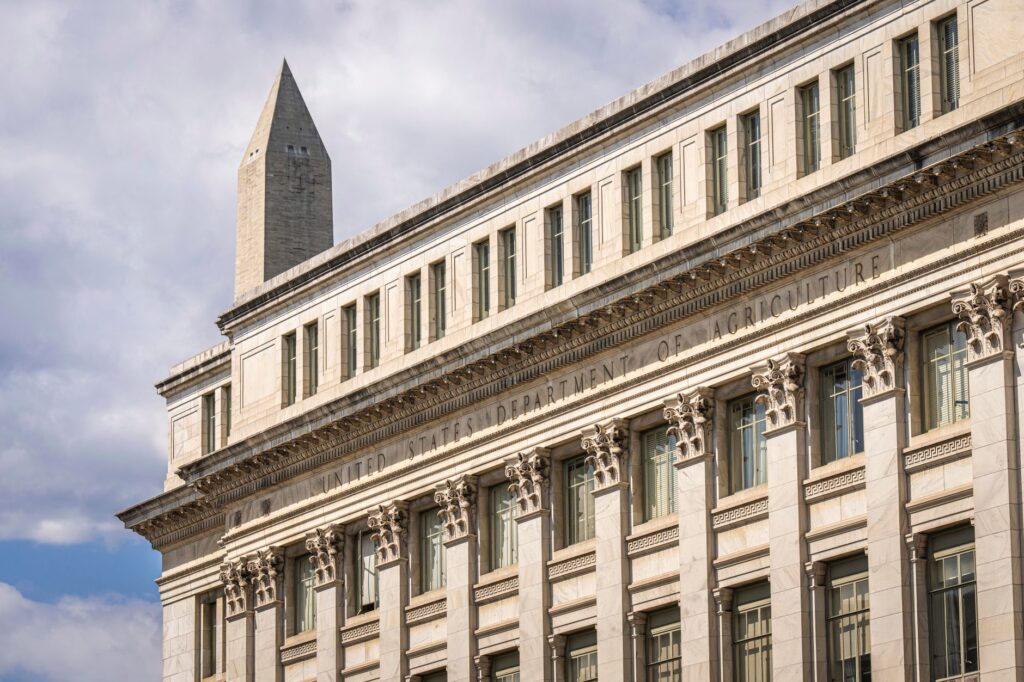
The Fed rate hike currencies theme is back at the center of global markets after the U.S. Federal Reserve raised interest rates for the first time since July 2023 and signaled that another hike could follow. The move, aimed at fighting inflation that has been stoked by spiraling oil prices, is already pushing the dollar higher and putting pressure on currencies from Tokyo to Bangkok. For anyone who holds savings, has a mortgage, or is planning a trip abroad, this is not just a headline for traders. It changes what things cost.

What Just Happened With the Fed
The Fed’s decision to raise rates again, its first hike since July 2023, was framed as a response to inflation pressure linked to rising oil prices. That combination, a hike plus a hawkish signal about more to come, is the real trigger behind the latest round of Fed rate hike currencies moves. Markets react to signals about the future as much as to the decision itself, and the Fed’s tone this week was read as tightening for longer, not a one off adjustment.
Mark Zandi, chief economist at Moody’s Analytics, said the Fed’s hike and its signal of more to come are already putting upward pressure on the dollar and downward pressure on currencies elsewhere. That is the direct mechanical link between U.S. rate policy and the rest of the foreign exchange market.
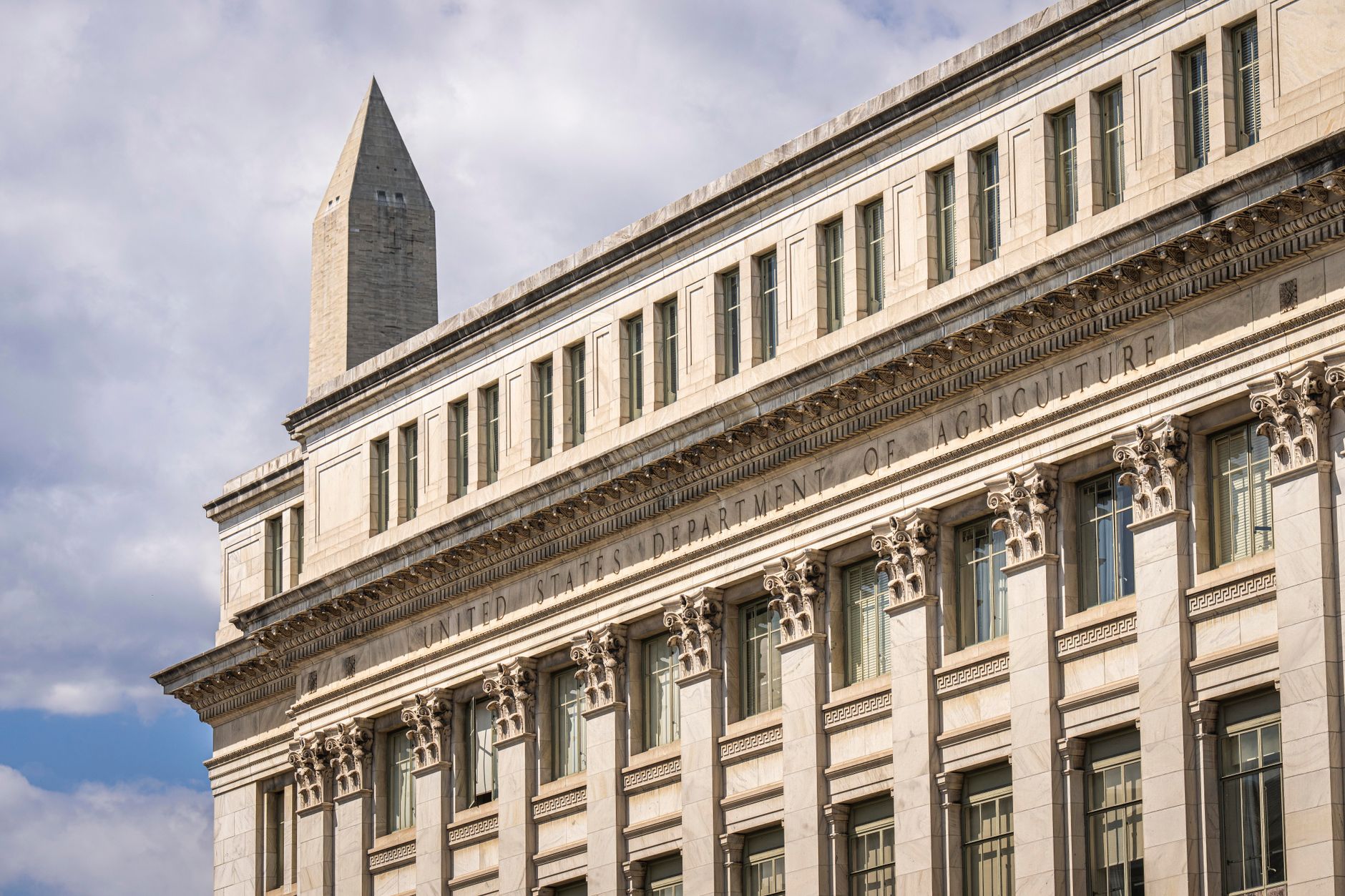
Fed Rate Hike Currencies: Which Pairs Move First
The dollar is the main channel through which Fed policy travels around the world. Higher U.S. rates support the greenback, and because oil, natural gas, and agricultural commodities are priced in dollars, a stronger dollar raises costs for countries that import those goods in local currency terms.
Japan is one of the clearest examples. A weaker yen adds to the case for the Bank of Japan to keep tightening, and Zandi noted it puts pressure on Japan to follow suit and raise rates as well. BlackRock’s Navin Saigal, head of global fixed income for Asia Pacific, said the market’s hawkish read of the Fed meeting may put pressure on Asian currencies and bond markets in the near term.
The euro is also in play. The European Central Bank already raised rates by 25 basis points, and J.P. Morgan Asset Management expected the Bank of Japan to raise rates by a quarter point. When developed market central banks tighten in sync, as Tai Hui of J.P. Morgan noted, the dollar’s advantage narrows a little, but the Fed’s size and the dollar’s role in commodity pricing still keep it in the driver’s seat. For a deeper look at how yield dynamics feed into these currency moves, see The 10-Year Yield Spike That’s Repricing Global Forex Risk.
Who Benefits and Who Loses
The dollar itself is the clearest beneficiary of this Fed rate hike currencies cycle, at least in the near term. Higher U.S. yields draw capital away from other markets and toward Treasuries, which is exactly the flow Zandi describes as creating stress for economies tied closely to U.S. rates.
On the losing side sit currencies in economies that cannot easily follow the Fed higher. China and Thailand are still dealing with deflationary pressure, according to BlackRock, which makes a matching rate hike much harder to justify domestically even as the dollar strengthens. Australia and Japan face the opposite problem, with inflation already above central bank targets, while India sits roughly in the middle of the Reserve Bank of India’s target range. That divergence means there will not be a single, synchronized global response, even as some central banks feel compelled to hike anyway just to defend their currency.
Equity markets are also on the losing side of a prolonged period of higher rates. Higher government bond yields make fixed income more competitive against stocks, raise financing costs for companies, and reduce the present value investors place on future earnings. Liz Ann Sonders of Charles Schwab pointed out that cyclical parts of the market are already feeling this, and J.P. Morgan’s Hui flagged that investors may need to reassess valuations for rate sensitive sectors like technology if the Fed stays hawkish into 2027. That valuation reset theme connects closely to the pressure already discussed in AI Bubble Dollar Risk: What the Trillion-Dollar Spending Gap Means for FX.

What This Means for You
If you do not trade currencies for a living, the Fed rate hike currencies story still reaches your wallet in a few concrete ways. A stronger dollar and weaker local currencies elsewhere can make imported goods, including fuel, more expensive in those countries, since oil and other commodities are priced in dollars. If you are traveling abroad, especially to a country whose currency has weakened against the dollar, your money could stretch further there, while travelers coming the other way into dollar priced destinations will find things costlier.
Savers should watch whether their bank passes higher rates through to deposit accounts, while borrowers with variable rate loans or mortgages tied to benchmark rates should watch for financing costs to stay elevated for longer rather than easing soon. Sonders noted that what matters most is not just the level of yields but whether their rise stays orderly. An orderly move is something the economy and markets can likely absorb. A disorderly spike is a bigger problem, and that is worth watching if you hold investments tied to stocks or bonds, even passively through a retirement account.

The Risks to This Dollar Strength View
The Fed rate hike currencies narrative is not a one way bet. The same resilient U.S. economy that gave the Fed room to raise rates is also a source of demand for exports and corporate activity elsewhere. Saigal at BlackRock said strong U.S. growth should keep supporting global activity, trade flows, and corporate fundamentals across Asia, even while higher rates create near term pressure on currencies and bonds.
There is also no guarantee this becomes a fully synchronized global tightening cycle. Inflation conditions across Asia are unusually split, with deflation risk in China and Thailand pulling against above target inflation in Australia and Japan. That could mean more volatile, less predictable currency moves than a simple stronger dollar story suggests. It is also worth remembering that dollar strength has not been a straight line all year, a point covered in Dollar Weakness Risk Premium: Why This Yield Rally Won’t Save the Greenback and in Fed Stagflation Dollar Trade: What Weak Jobs and Hot Inflation Mean for FX, both of which cover how quickly the dollar narrative can shift.
Given how much these moves can whipsaw around central bank meetings, having a clear plan matters more than predicting the next headline. Our guide on What Is the Best Risk Management Strategy for Forex Trading? walks through position sizing and risk controls that apply regardless of which way the dollar moves next.
Get daily forex setups and market breakdowns on our Telegram: Join Pip Talk on Telegram
This article is market analysis and commentary, not financial advice.

I’m Vinit Makol. With 20+ years in forex and financial markets, I serve as lead analyst at Edge-Forex, covering currency markets, macroeconomics, trading strategies, and market-moving events to give traders practical insights they can actually use.