
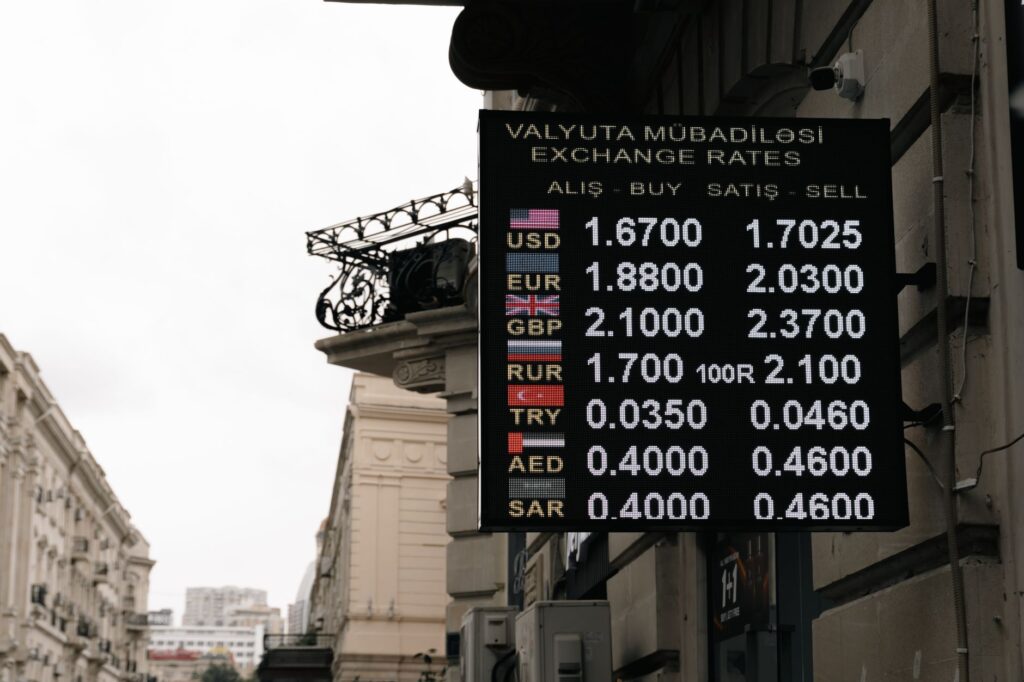
The latest Hormuz tanker strikes FX shockwave is a reminder that geopolitics and currency markets are inseparable. Iran’s Revolutionary Guard hit two tankers moving under US military escort on Friday, pushing crude past $90 a barrel and dragging President Trump’s cabinet into crisis talks at Camp David. For forex traders, this is not just an energy story. It is a direct input into interest rate expectations, safe-haven flows, and commodity-currency positioning across the board.
Markets have been pricing partial risk from this conflict for months, but the direct targeting of tankers under US escort marks an escalation. Therefore, traders should expect volatility to broaden beyond oil-linked pairs into broader risk sentiment across G10 and emerging markets.

Which Pairs Move, and Which Direction, Hormuz tanker strikes FX
The most immediate reaction sits in commodity currencies. The Canadian dollar, historically correlated with crude, should find support against a weaker US dollar in risk-off phases, though this relationship can break down if broad USD demand as a safe haven overwhelms the oil correlation. Meanwhile, the Japanese yen typically strengthens during acute geopolitical stress, as Japanese investors repatriate capital and global funds seek liquidity. However, Japan is also a major energy importer, so a prolonged Hormuz closure could offset some of that safe-haven bid by damaging Japan’s terms of trade.
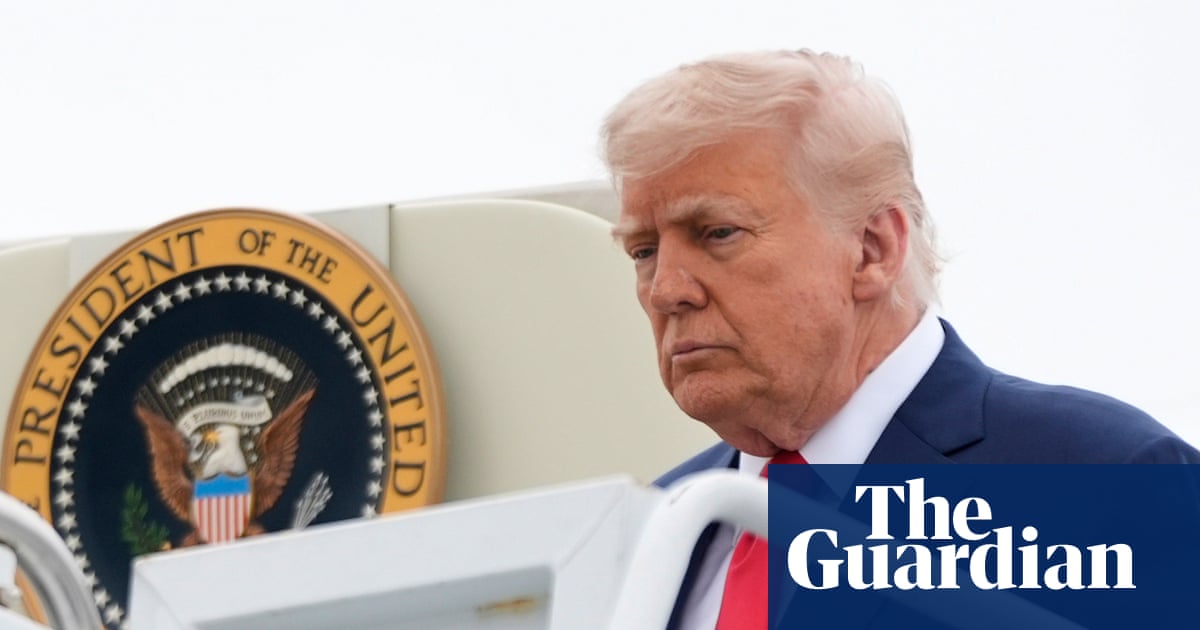
USD/JPY is therefore a genuine tug-of-war pair right now. EUR/USD faces separate pressure: Europe imports a large share of its energy and any Gulf supply disruption widens its trade deficit, weakening the euro relative to a dollar that benefits from petrodollar recycling. Traders watching this dynamic should compare current positioning with the analysis in our EUR/USD Outlook: What Traders Should Watch This Week, which flags energy-driven current account risk as a recurring theme.
The Norwegian krone and the Russian rouble, both energy exporters, could see counterintuitive strength, though sanctions exposure and liquidity constraints complicate rouble trades specifically.
The Mechanism: Why Oil Shocks Move Currencies
Oil price shocks transmit into FX through three channels. First, terms-of-trade effects: energy exporters gain relative purchasing power while importers lose it. Second, inflation expectations: higher energy costs feed into headline CPI, forcing central banks to reconsider rate paths even amid slowing growth. Third, risk appetite: prolonged military escalation triggers capital flight from higher-beta currencies into traditional havens like the yen, Swiss franc, and, situationally, the dollar itself.
In this case, the Hormuz tanker strikes FX story compounds all three channels simultaneously. Roughly a fifth of global oil transits the strait, so a sustained closure is not a marginal disruption. As a result, markets are forced to price both a supply shock and a policy response shock together, which is why volatility has been unusually sticky since fighting resumed two weeks ago.
Critically, the Federal Reserve now faces a genuine dilemma. Inflation from energy costs argues for holding rates higher for longer, while slowing consumer spending from gas price pain argues for cuts. This tension makes USD direction unusually hard to call on rate differentials alone, and traders should weigh positioning carefully using tools like a position-sizing approach rather than assuming a clean directional trend.
Who Benefits From This Move
Energy-linked economies and their currencies stand to gain the most durable benefit. Canada, Norway, and Gulf-adjacent economies with diversified export bases can see currency support even amid broader market stress. Energy majors themselves, evidenced by ExxonMobil and Chevron’s outsized profits this quarter, indirectly support their home currency through repatriated earnings and equity inflows.
Traders running short-term momentum strategies on oil-correlated pairs have also benefited, particularly those positioned ahead of the resumption of fighting two weeks ago. Meanwhile, dollar bulls betting on safe-haven flows during acute escalation phases have captured gains, though these trades require tight risk management given how quickly sentiment can reverse on any diplomatic signal from Camp David.
Conversely, economies reliant on energy imports and consumer spending, including much of the eurozone, Japan, and emerging Asia, face currency headwinds. This is a theme worth tracking alongside our Gas Price Inflation FX Trade: How Traders Should Position Now piece, which explores how sustained energy inflation reshapes central bank credibility and currency valuations over multi-month horizons.

Key Risks and Caveats
No geopolitical trade is one-directional forever. The biggest risk to any Hormuz tanker strikes FX thesis is a sudden de-escalation. Trump’s cabinet meeting at Camp David could produce a diplomatic pivot, a ceasefire proposal, or even a partial reopening of shipping lanes, any of which would rapidly unwind risk-off positioning and oil-linked currency gains.
Domestic politics add another layer of uncertainty. With midterm elections approaching and public support for the war falling to just one in three Americans according to recent polling, political pressure to resolve the conflict is mounting. A surprise resolution, even a temporary one, could trigger sharp reversals in USD/CAD, USD/JPY, and EUR/USD within a single trading session.
Liquidity risk is also elevated. Thin weekend and holiday trading conditions can exaggerate moves when fresh Hormuz headlines break, so traders should size positions conservatively and avoid overleveraging into headline-driven gaps. Finally, correlations that hold in calm markets, such as CAD’s link to oil, often weaken during extreme stress when everything trades against the dollar regardless of fundamentals.

Practical Takeaways for Traders
Given the uncertainty, a barbell approach makes sense: modest directional exposure to energy-currency strength, paired with defensive yen or franc positions as insurance against a sudden risk-off spike. Traders should also monitor Fed commentary closely, since any hint of tolerance for above-target inflation would be dollar-negative even amid war-driven demand for safety.
Ultimately, the Hormuz tanker strikes FX narrative will keep evolving alongside battlefield and political developments. Staying nimble, watching correlation breakdowns, and respecting headline risk will matter more than any single technical setup over the coming weeks.
Source: The Guardian

I’m Vinit Makol. With 20+ years in forex and financial markets, I serve as lead analyst at Edge-Forex, covering currency markets, macroeconomics, trading strategies, and market-moving events to give traders practical insights they can actually use.