Brent crude just booked its second straight weekly gain, trading near $93.50 as Washington prepares what Treasury Secretary Scott Bessent called “the toughest sanctions in history” against Iran. That headline matters for oil traders, but it matters just as much for the FX desk. The Iran sanctions oil FX linkage is now one of the more tradeable macro themes in the market, and it deserves a closer look than the commodity press typically gives it.
Oil shocks rarely stay contained to crude futures. They ripple into rate expectations, current account balances, and risk sentiment — all of which are the raw material of currency pricing. With Brent grinding higher on geopolitical risk rather than demand strength, the transmission mechanism into FX is distinct from a typical oil rally, and traders who understand that distinction can position ahead of the crowd.

Which Currency Pairs Are Actually in Play, Iran sanctions oil FX
The clearest channel runs through commodity-linked currencies versus commodity-importing currencies. The Canadian dollar and Norwegian krone typically benefit from sustained oil strength, since both economies export crude and see their terms of trade improve. USD/CAD should therefore face downward pressure if Brent holds above $90, though the U.S. dollar’s own safe-haven bid complicates that trade.

On the other side, the Japanese yen and Indian rupee face structural headwinds. Japan’s oil import bill just hit an all-time high according to the same news cycle that produced this story, and a weaker current account typically weighs on JPY over time. USD/JPY has other drivers right now, notably the Bank of Japan’s policy stance, but the energy import drag is a genuine medium-term negative for the yen that traders should not ignore.
The Chinese yuan sits in an interesting middle position. China remains the largest buyer of sanctioned Iranian crude, and Reuters reporting suggests Washington wants Beijing’s cooperation on the new sanctions regime — cooperation China is unlikely to give. That tension keeps USD/CNH volatility elevated, and it dovetails with broader questions about how undervalued the yuan actually is relative to trade flows, a theme covered in depth in this Yuan Undervaluation Trade analysis.
The Mechanism: Why Oil Risk Premium Moves Currencies
Geopolitical oil spikes move FX through three channels. First, terms-of-trade shifts directly reprice exporter and importer currencies, as described above. Second, inflation expectations rise when energy costs climb, which can force central banks to delay rate cuts or even hint at hikes — a dynamic that has already started showing up in UK energy bill forecasts and could feed into sterling positioning.
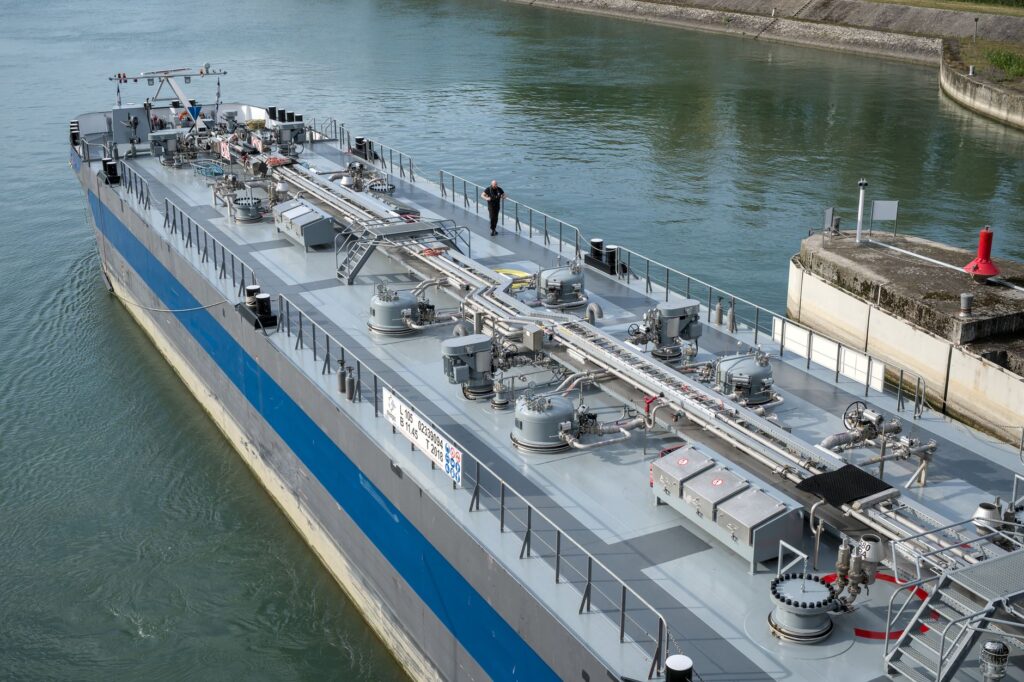
Third, and often underappreciated, is the shipping and logistics premium. Supertanker rates hitting record highs and Hormuz traffic slowing down both signal supply-chain stress that historically bleeds into freight costs, insurance premiums, and ultimately consumer prices across import-dependent economies. This is precisely the mechanism explored in the Hormuz Supply Chain FX piece, and it remains highly relevant as tanker U-turns near the Strait continue to make headlines.
Combined, these three channels mean that an Iran-driven oil spike is not just a commodity story. It is a rates story, a current-account story, and a risk-sentiment story all at once, which is why FX volatility tends to lag oil volatility by only a few sessions before catching up.
Who Benefits From This Move
Exporter-currency longs are the obvious beneficiaries if the sanctions campaign genuinely tightens Iranian supply further. Norwegian krone and Canadian dollar longs against the yen or the rupee capture both the oil-price upside and the importer-currency downside in a single relative trade. Commodity trading advisors and macro funds already positioned long crude are likely running parallel long-NOK or long-CAD books for exactly this reason.
U.S. dollar bulls also have a case, somewhat counterintuitively. Higher oil prices raise U.S. headline inflation, which could slow the Federal Reserve’s rate-cutting path. Meanwhile, America’s shale buffer means the U.S. economy is less exposed to import costs than most peers, a structural advantage discussed at length in coverage of how domestic supply cushions the dollar during supply shocks. As a result, the greenback often holds up better than textbook “risk-off equals dollar weakness” logic would suggest.
Refiners and importers in Asia, however, are squeezed. India’s LPG cost increases and China’s scramble for alternative crude sources both point toward weaker current accounts for those economies if the sanctions campaign drags on. That weighs on the rupee and, to a lesser extent, on the yuan, even before accounting for Beijing’s likely refusal to join Washington’s pressure campaign.

Key Caveats and Risks to the View
This view is not without serious risks. First, sanctions announcements have a habit of underdelivering relative to rhetoric. Bessent’s “toughest sanctions in history” language is aggressive, but implementation details arrive Monday, and markets often fade geopolitical premium once specifics disappoint expectations.
Second, China’s refusal to cooperate could blunt the entire campaign, since Beijing is the largest buyer of Iranian crude by a wide margin. If Iranian barrels keep flowing to Chinese refiners regardless of U.S. pressure, the supply-tightening thesis weakens considerably, and oil could give back recent gains quickly.
Third, positioning matters. COT data has shown bullish oil bets shrinking for two consecutive weeks even as prices rose, a divergence that often precedes sharp reversals. Traders leaning into the Iran sanctions oil FX trade should size positions conservatively given this fragility, and a disciplined framework, such as a position-sizing calculator, is essential when volatility spikes this fast.
Finally, any diplomatic breakthrough — even a partial one — could unwind the entire risk premium in a single session, snapping back CAD, NOK, JPY, and CNH moves alike. Traders should treat this as a high-conviction but fast-moving theme, not a settle-and-forget position.
Source: OilPrice

I’m Vinit Makol. With 20+ years in forex and financial markets, I serve as lead analyst at Edge-Forex, covering currency markets, macroeconomics, trading strategies, and market-moving events to give traders practical insights they can actually use.