
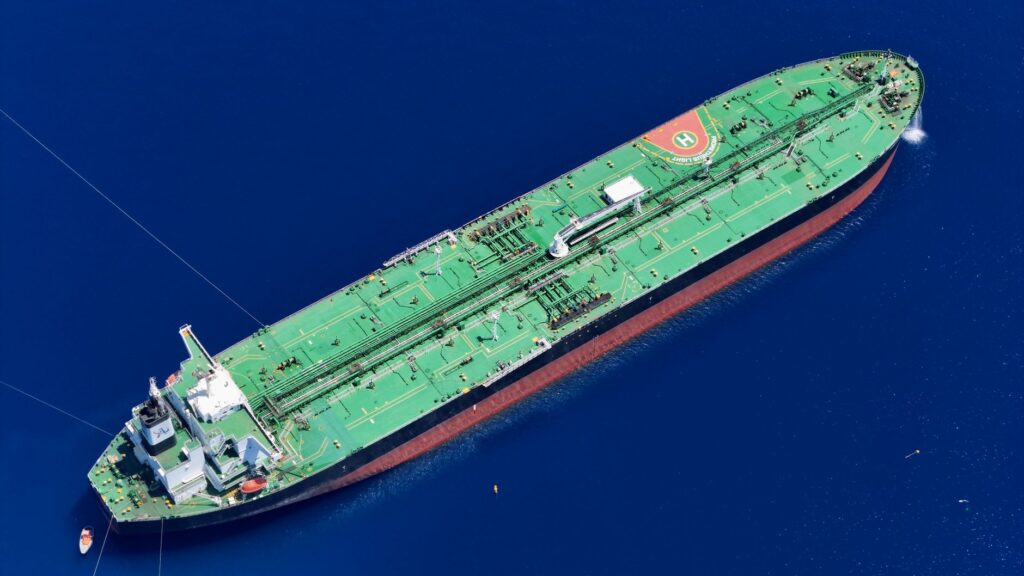
Saudi oil bypass risk has jumped back to the top of the macro agenda after a suspected Houthi strike on Saudi Arabia’s East-West pipeline, the kingdom’s main route for moving crude away from the Strait of Hormuz. Satellite imagery showed active fires and thermal anomalies along the line, which carries up to 7 million barrels per day and underpins 3-4 million b/d of Saudi crude exports that would otherwise have to transit the narrower, more contested Hormuz chokepoint. ICE Brent has pushed to $105 a barrel, while regional grades such as Murban and Oman have traded as high as $120, and traders are now pricing in the chance that this is not a one-off incident but the start of a sustained campaign against Gulf infrastructure.
For currency markets, this is the same theme that has driven volatility for weeks: energy security risk translating directly into FX risk premiums. But the pipeline element adds a new wrinkle, because it targets the workaround that was supposed to insulate Saudi exports from a Hormuz blockade. If the bypass itself is no longer safe, the market has to reprice tail risk on both fronts at once.

What Happened to the Saudi Oil Bypass
The East-West pipeline exists precisely so Saudi Arabia is not fully hostage to Hormuz. Fire and smoke reported near the pipeline, confirmed by both Sentinel and NASA imagery, signal that this redundancy is now in question. A weekend meeting of Gulf foreign ministers helped cap the initial spike, but Brent at $105 and Middle Eastern grades near $120 show the market is still holding a meaningful war premium. Separately, OPEC cut its 2026 global oil demand growth forecast to 380,000 b/d, its fifth consecutive downward revision and a reduction of 200,000 b/d from the prior month, even as it lifted its 2027 forecast to reflect a 2.36 million b/d recovery once Gulf supply stabilizes. That combination, weaker near-term demand but a real threat to near-term supply, is exactly the setup that produces sharp, hard-to-hedge currency moves.

Which Currency Pairs Feel the Saudi Oil Bypass Risk
The transmission channel into FX is familiar by now but worth restating. Oil-importing economies see their terms of trade deteriorate as import bills rise, which weighs on currencies like the yen and the euro, especially where energy is a large share of the import basket, a dynamic covered in EU Energy Shock Resilience Is Rewriting the Euro’s Risk Premium. Oil-exporting and commodity-linked currencies such as the Canadian dollar and Norwegian krone tend to find support from higher crude prices, though the demand-side downgrades from OPEC complicate that relationship, a tension explored in Oil Demand Forecast FX Impact: Why CAD, NOK and RUB Traders Should Pay Attention. The dollar’s response is less mechanical: it can catch a safe-haven bid on escalation headlines even as higher energy costs feed into U.S. inflation expectations, a dynamic discussed in Dollar Weakness Risk Premium: Why This Yield Rally Won’t Save the Greenback.
What makes the pipeline strike distinct from earlier Hormuz-focused scares is that it threatens a physical alternative route rather than just shipping traffic through a strait. That shifts some of the risk premium from a pure chokepoint story, the kind covered in Hormuz Oil Shock Currencies: What Traders Need to Watch Now, toward a broader question of whether any Saudi export infrastructure is safe from attack. The same logic that applied to Yemen-adjacent shipping risk in Houthi Mokha Oil Threat: What It Means for Currency Markets now applies to a pipeline deep inside Saudi territory.
Who Benefits and Who Loses
The direct losers are net oil importers with limited strategic reserves and currencies already under pressure from twin deficits. Higher diesel costs compound the problem: U.S. diesel inventories are on track to fall below 100 million barrels for the first time since 2003, a 23-year low, and the EIA has raised its Q4 2026 diesel price forecast by 14% to $5.55 per gallon. That squeeze feeds directly into inflation-sensitive currency pairs and complicates central bank messaging in importing economies. On the other side, exporters of crude and refined products stand to gain from firmer prices, provided the disruption does not spread far enough to also hit their own infrastructure or shipping lanes. Refiners with spare capacity and access to alternative crude grades are better positioned than those dependent on a single corridor.
Australia’s decision to soften its gas reservation policy, lowering the fixed 20% rate and allowing regulators discretion from 2028 to free up as much as 200 billion cubic feet a year for LNG exporters, is a reminder that some governments are already adjusting energy policy in anticipation of tighter global supply. That kind of proactive supply response is one of the few offsetting forces against the current price trajectory.

Risks to the Saudi Oil Bypass Risk View
The biggest risk to any FX trade built around this story is de-escalation. The Gulf foreign ministers’ meeting already knocked some froth off the initial price spike, and diplomatic follow-through could compress the war premium quickly, unwinding currency moves just as fast as they built. There is also the demand-side counterweight: OPEC’s repeated downward revisions to 2026 demand growth, now at 380,000 b/d after five straight cuts, suggest that even a supply shock has to work against a softer underlying demand backdrop, which could cap how far prices, and therefore currency reactions, actually travel. Positioning is another factor. After weeks of headline-driven volatility, some of this risk may already be priced into oil-sensitive currencies, meaning fresh news has to clear a higher bar to move markets further. Finally, if the pipeline damage proves limited or repairable, the market may treat this as another false alarm rather than confirmation that Saudi Arabia’s export infrastructure is now a persistent target.
Get daily forex setups and market breakdowns on our Telegram: Join Pip Talk on Telegram
This article is market analysis and commentary, not financial advice.

I’m Vinit Makol. With 20+ years in forex and financial markets, I serve as lead analyst at Edge-Forex, covering currency markets, macroeconomics, trading strategies, and market-moving events to give traders practical insights they can actually use.