
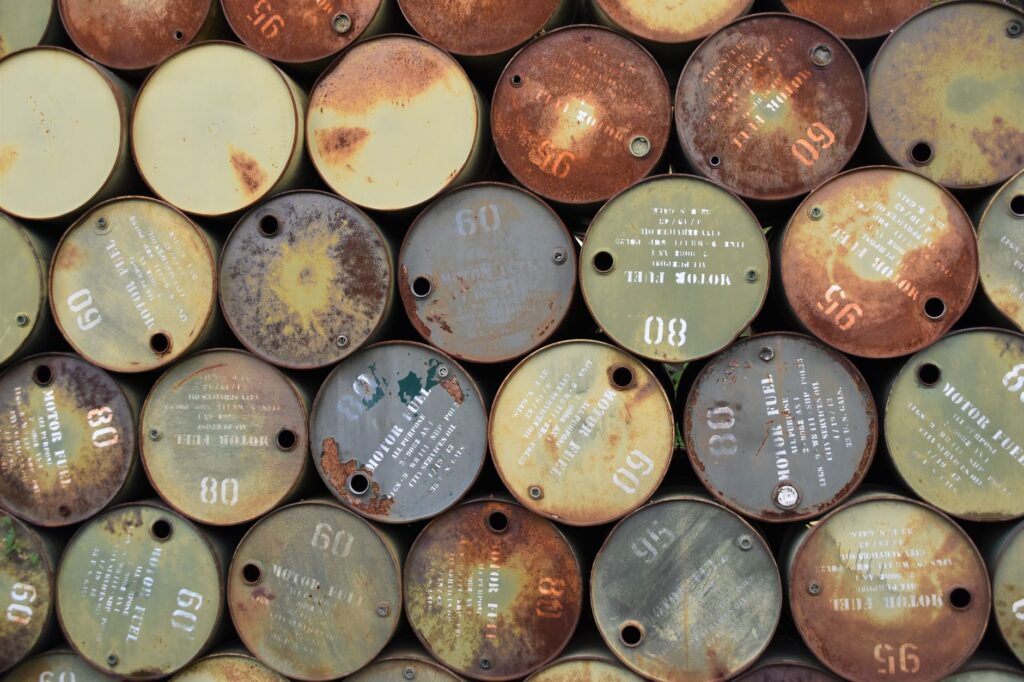
The US oil supply shock FX story is quietly becoming one of the more important macro threads of 2026. According to a recent API analysis covered by OilPrice, record U.S. crude production, LNG exports, and fuel shipments have cushioned the world from a much worse energy crisis after the Strait of Hormuz effectively shut down. That’s a genuinely important geopolitical data point. But for currency traders, the real question isn’t what happened in the Gulf — it’s what happens next in EUR/USD, USD/CAD, and a handful of commodity-linked pairs as America’s role as “energy stabilizer” collides with its own shrinking inventories.

How the Hormuz Disruption Is Transmitting Into FX, US oil supply shock FX
Oil shocks move currencies through three channels: terms-of-trade shifts, inflation expectations, and risk-sentiment flows. Hormuz closure is unusual because it’s simultaneously bullish for crude prices and bullish for the U.S. dollar’s structural position, since America is now a net energy exporter rather than an importer exposed to price spikes.
That’s a reversal of the old playbook. In the 1970s and 1990s oil shocks, higher crude prices hurt the U.S. current account and weakened the dollar. Today, higher oil prices increase U.S. export revenue from crude and LNG, partially offsetting the domestic inflation hit at the pump. This is why the dollar has held up reasonably well through this crisis compared to previous energy shocks — the US oil supply shock FX dynamic is now a two-sided story rather than a pure dollar negative.

Which Pairs Are Actually Moving
USD/CAD is the cleanest expression of this theme. Canada benefits from elevated crude prices through its own export base, but the loonie has underperformed what you’d expect given oil’s rally, largely because traders are pricing U.S. relative resilience higher than Canadian upside. If U.S. output continues absorbing the Hormuz shortfall, CAD gains against USD could stay capped even as WTI climbs.
EUR/USD faces the opposite pressure. The eurozone imports the overwhelming majority of its energy, and with Europe’s gas storage sitting at its lowest level since 2011 heading into winter, the euro carries a structural energy-deficit discount. Every headline reaffirming that Hormuz remains shut adds to euro downside risk, particularly against a dollar that’s partially insulated by domestic production.
USD/JPY and USD/INR matter too. Japan and India remain heavily import-dependent — India sources roughly 90% of its oil from abroad — so both currencies stay vulnerable to renewed Hormuz-driven price spikes, though Bank of Japan intervention risk and India’s own reserve accumulation plans complicate simple directional bets.
Who Actually Benefits From This Setup
The trader positioning that benefits most here is long-USD-versus-energy-importer-FX, expressed selectively rather than broadly. Because U.S. inventories are falling below five-year averages even as exports hit records, domestic gasoline and diesel prices have risen sharply — nearly a dollar higher than pre-war levels. This creates an odd dynamic: the U.S. is exporting stability abroad while importing inflation risk at home, which could eventually pressure the Fed’s rate path and complicate a purely bullish dollar thesis.
Energy-exporting emerging market currencies — the Brazilian real, and to a lesser extent the Mexican peso — also stand to benefit from sustained high crude prices, though their central banks’ rate policies and domestic politics often overwhelm the pure oil-price signal. Meanwhile, energy-importing EM currencies like the Turkish lira and Indian rupee sit on the losing side, especially as India’s crude output continues its third straight year of decline, deepening its import dependence.
For traders looking at how the broader war premium has already reshaped currency behavior, our earlier piece on the Iran oil shock forex dynamics remains a useful reference point, since many of those correlations are still holding.

The Inventory Squeeze Is the Real Risk to Watch
Here’s the caveat that matters most: America’s cushioning role isn’t free. Middle distillate inventories are now 12% below the five-year average, and refinery utilization is running hot. This is a genuinely fragile setup. A single Gulf Coast hurricane, an unplanned refinery outage, or a spike in domestic demand could quickly erode the buffer that’s currently keeping global oil prices from spiking further.
If that buffer breaks, the US oil supply shock FX narrative flips fast. Instead of dollar resilience, markets would likely see a sharper stagflationary scare — higher gasoline prices squeezing U.S. consumers just as the Fed weighs its next move. That combination has historically been dollar-negative in the short run, even if longer-term energy independence remains a structural positive.
Practical Positioning Considerations
Given the fragility described above, traders shouldn’t treat this as a one-way dollar trade. A more balanced approach involves fading extreme EUR/USD downside once European gas fears become fully priced, while staying tactically long USD/CAD only on confirmed evidence that U.S. output is outpacing Canadian export gains. Given how binary Hormuz headlines can be — a peace deal rumor one day, an attack claim the next — position sizing discipline is essential. Reviewing exposure through a proper risk premium framework style approach helps avoid overcommitting to a single directional bias before diplomatic clarity emerges.

Conclusion
The API’s framing of the U.S. as a global “energy stabilizer” is accurate, but it obscures a more nuanced FX reality. Domestic inventory drawdowns, record exports, and geopolitical uncertainty around Hormuz are creating divergent pressure across currency pairs rather than a single clean dollar trade. Traders who track the US oil supply shock FX relationship closely — and who respect how quickly the inventory cushion could crack — are better positioned than those simply buying dollars on every oil headline.
Source: OilPrice
</markdown>

I’m Vinit Makol. With 20+ years in forex and financial markets, I serve as lead analyst at Edge-Forex, covering currency markets, macroeconomics, trading strategies, and market-moving events to give traders practical insights they can actually use.