

Oil traders got a rare shock this week: the WTI Brent spread widens to its widest gap in months, with the US benchmark trading $12 a barrel cheaper than international benchmark Brent. Oil overall is on track for a modest 2% weekly gain, but WTI alone is down 7% as freight costs surge and Washington floats a possible ban on diesel exports. For forex traders, a divergence this sharp between the world’s two flagship crude benchmarks is not just an energy story, it is a currency story, touching the US dollar, the Canadian dollar, the Norwegian krone and even the rouble.

What Happened: WTI Brent Spread Widens to $12
The headline number is stark: WTI now trades $12 per barrel below ICE Brent, a gap wide enough to make US crude look like a different commodity altogether. Brent is holding up on Middle East risk, with reports of a phased US-Iran deal that would see Iran reopen the Strait of Hormuz in exchange for a rollback of the US blockade. WTI, meanwhile, is being dragged down by two US-specific pressures: soaring freight costs and the Trump administration’s flirtation with a 90-day diesel export ban, which would discourage US refiners from running flat out and buying crude. That combination is exactly why the WTI Brent spread widens even as the broader oil complex posts a 2% weekly gain.
Which Currencies and Pairs Move
The clearest FX transmission line runs through the commodity dollar bloc. The Canadian dollar tracks Western Canadian crude, which prices off WTI, so when the WTI Brent spread widens, USD/CAD tends to feel it first, as a cheaper WTI means less revenue flowing into Canadian oil producers and, by extension, into the loonie. The Norwegian krone works the other way: Norway’s exports price off Brent, so a Brent that holds firmer than WTI is relatively supportive for NOK crosses. Further out, the Russian rouble is an indirect mover. Rosneft has just begun commercial loadings from its new Vostok Oil terminal at Sever Bay, starting at 150,000 barrels a day and targeted to rise to 600,000 barrels a day by late 2027, adding a new Arctic export corridor that could eventually reshape Brent-linked supply. The US dollar itself is more of a secondary mover here, reacting less to the spread and more to what it signals about US refinery demand and inflation expectations.
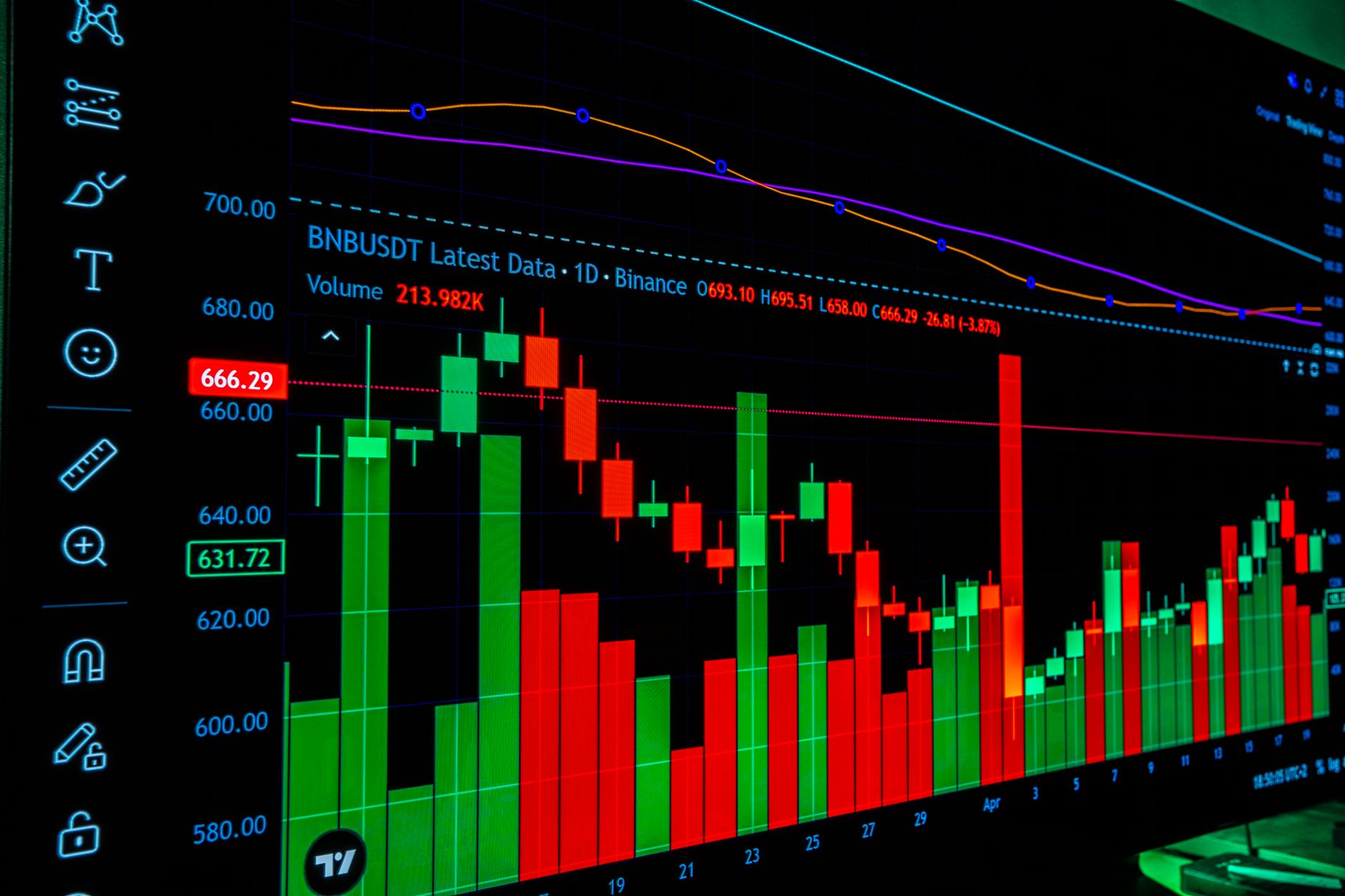
Who Benefits and Who Loses
US refiners are the immediate winners of a wide WTI Brent spread, since they can buy domestic crude at a steep discount to the global price while still selling refined products at prices anchored to international benchmarks. US oil producers are the losers, receiving less per barrel for crude that is effectively landlocked relative to the freight-inflated cost of getting oil to global buyers. On the FX side, a persistently weak WTI is a modest headwind for the Canadian dollar and for CAD-linked carry trades, while a Brent that holds up better supports the krone and, more broadly, currencies tied to Middle East crude flows. Libya adds another layer of uncertainty: the 300,000 barrel-a-day El Sharara field saw output cut by 60% to just 120,000 barrels a day after a pipeline valve was shut, even as Libya’s national oil company denied declaring formal force majeure. Any resolution there would ease Brent’s supply side and could narrow the spread again. Saudi Arabia’s own crude export pivot has already shown how shifts in Middle East supply routing can move Brent independent of Hormuz headlines.

What This Means for You
You do not need to trade oil futures to feel this. If US refiners keep buying cheap domestic crude and running at full tilt, US gasoline prices could stay comparatively contained even as global crude benchmarks stay elevated on Hormuz risk. But if the mulled 90-day diesel export ban actually goes ahead, the picture flips: diesel could become more available and cheaper at home in the short term, while European buyers, already pressed by low storage and Hormuz-related supply fears, face a scramble for barrels and higher prices, a dynamic we explored in EU energy shock resilience. Anyone with savings tied to Canadian energy stocks, a mortgage in Canadian dollars, or travel plans to Norway should keep an eye on how the WTI Brent spread widens or narrows from here, since it is quietly shaping the loonie and the krone. European households, meanwhile, are more exposed to Brent and to the diesel export ban threat than to WTI directly, which matters for anyone budgeting for winter heating or fuel costs.
Base Case: Diplomacy Grinds On, Spread Stays Wide
In the base case, the US-Iran talks on Hormuz continue without a quick breakthrough, Libya’s El Sharara outages persist near current reduced levels, and Washington keeps the diesel export ban as a threat rather than a policy. Under this path, Brent stays supported by Middle East risk while WTI remains pressured by high freight costs and refiner caution, so the WTI Brent spread widens or holds near its current $12 level rather than snapping back. USD/CAD stays biased toward CAD softness, and NOK crosses keep a modest Brent-driven tailwind. The trigger to watch for this scenario continuing is simply more headlines of stalled negotiations without a formal Hormuz reopening agreement.
Upside Scenario: Hormuz Deal Narrows the Spread
The upside case is a genuine breakthrough: US and Iranian negotiators finalize the phased deal that reopens the Strait of Hormuz in exchange for a rollback of the US blockade. That would ease the Middle East risk premium baked into Brent, pulling the international benchmark lower and narrowing the gap with WTI. This scenario echoes what we discussed when Hormuz Strait talks first eased oil prices, and it would likely bring relief across freight costs too, indirectly helping WTI’s relative standing. The trigger here is a signed or publicly confirmed Hormuz reopening agreement, not just reported negotiations.
Downside Scenario: Diesel Ban Blows the Spread Wider
The downside case is Washington actually enacting the 90-day diesel export ban Trump has been floating. That would further discourage US refiners from running at capacity for export-oriented diesel production, weakening domestic crude demand and pushing WTI even lower relative to Brent, all while squeezing European diesel supply exactly as the EU is already warning it might. This scenario would echo the dynamics we flagged around a Gulf war risk premium building into fuel costs, but this time driven by US policy rather than Middle East conflict alone. The trigger is a formal announcement or implementation of the export ban, which would likely be the clearest signal yet that the WTI Brent spread widens further from here.

Risks to This View
The biggest risk to any of these scenarios is speed. Oil and FX markets have repeatedly moved faster than diplomatic timelines this year, and a surprise Hormuz announcement or an abrupt US policy reversal on diesel exports could reprice the spread within a single session. Freight costs are another wildcard, since tanker rates have been unusually volatile and can swing the relative economics of WTI and Brent independent of the diplomatic backdrop. Russia’s Vostok Oil ramp-up, still early at 150,000 barrels a day versus its longer-term 600,000 barrel-a-day target, is a slower-moving variable but one that could gradually alter Brent’s supply balance over the next couple of years. As always, correlations between crude benchmarks and currencies like the Canadian dollar and Norwegian krone can loosen quickly when other macro forces, such as central bank policy or broader risk sentiment, take over.
Get daily forex setups and market breakdowns on our Telegram: Join Pip Talk on Telegram
This article is market analysis and commentary, not financial advice.

I’m Vinit Makol. With 20+ years in forex and financial markets, I serve as lead analyst at Edge-Forex, covering currency markets, macroeconomics, trading strategies, and market-moving events to give traders practical insights they can actually use.