The Trump Xi trade truce got its extension this week, and the images from Joint Base Andrews told their own story before Scott Bessent said a word. Donald Trump walked out to the tarmac himself, shook hands with Xi Jinping under a 30-metre-long red carpet flanked by US service members, and watched two B-1 bombers fly overhead as both national anthems played. For currency traders, the pageantry is noise. The substance is a trade truce extension that removes one source of tail risk from the dollar-yuan relationship, at least for a few more months.

The Red Carpet Story Every Headline Ran With
Every wire photo from Wednesday told the same story: a US president who normally receives foreign leaders at the White House instead traveled to a military base to personally greet a counterpart. Trump and the first lady met Xi and his wife, Peng Liyuan, at Joint Base Andrews rather than waiting for the formal South Lawn welcome that came later. Commentators read this as Trump signaling how much weight he puts on the relationship, reciprocating the treatment he received on his own trip to China earlier this year. Xi, notably, skipped the United Nations general assembly happening the same week in New York, a body he has addressed just once since becoming president in 2012. Analysts framed that choice as a statement about where real decisions get made, Washington rather than the UN. It is a good story about optics and power, not currency markets.
What the Numbers Underneath Actually Show
The market-relevant news came from Bessent, not the tarmac. The treasury secretary announced that the so-called Busan agreement, the temporary truce keeping the US-China trade war from escalating, will now run until 10 January, two months beyond its original expiry. That extension followed Bessent’s meeting earlier the same day with Chinese vice-premier He Lifeng. This is the part of the story that feeds into positioning on the dollar and the yuan: a concrete date, a specific extension, and a signal that both sides currently prefer a longer pause to a fresh round of tariff escalation. The Trump Xi trade truce buys time, and time is exactly what currency markets price when deciding how much risk premium to hold against a renewed trade war.
Why the Trump Xi Trade Truce Moves the Dollar and Yuan
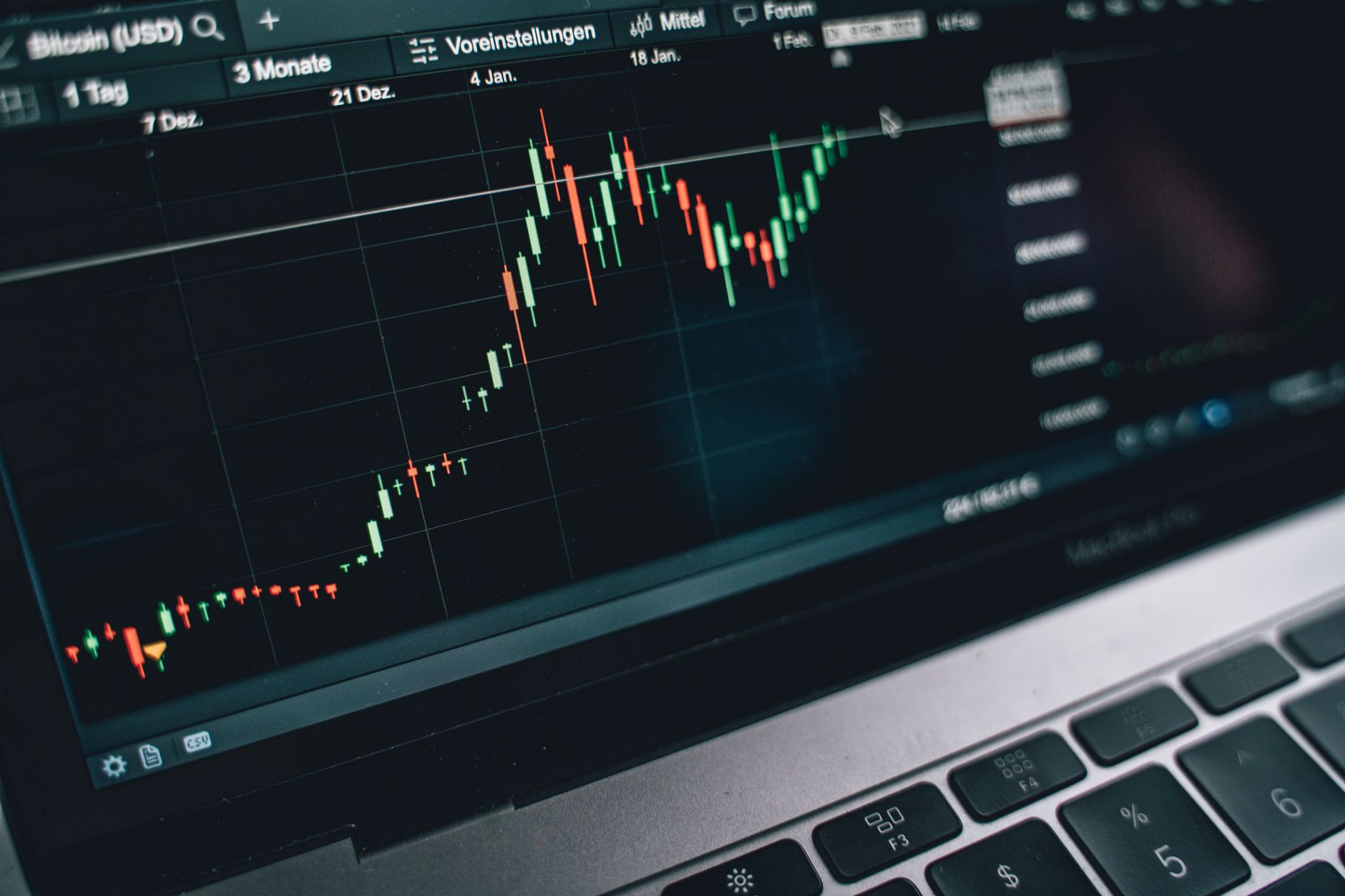
A trade truce extension is a de-escalation signal, and currency markets treat de-escalation the same way regardless of the ceremony around it: it tends to support the currency of the country seen as more exposed to the dispute. China’s yuan has traded for years with a persistent discount tied to tariff risk, so pushing the truce deadline out to 10 January removes, for now, the immediate threat of a new tariff shock landing on Chinese exporters. That tends to firm up the yuan relative to a scenario where the truce lapses. The dollar’s reaction is more mixed. Reduced trade war risk is generally a modest negative for the dollar’s safe-haven bid, since part of the dollar’s strength this year has come from investors sheltering from this kind of conflict. At the same time, a calmer US-China backdrop supports risk appetite broadly, which tends to help higher-beta and export-linked currencies more than the dollar itself. The net effect on USD/CNY and broader dollar pairs will depend on how durable traders judge this pause to be, not on the length of the red carpet.

Who Benefits and Who Loses From the Trump Xi Trade Truce
The clearest winners are the companies whose executives were invited to Thursday’s state dinner: OpenAI, Apple, xAI, Microsoft, Nvidia, Meta and others sit at the center of the AI race that both leaders now treat as inseparable from the trade relationship. A calmer trade backdrop gives these firms more room to plan around chip supply chains and Chinese market access without an immediate tariff shock. Exporters on both sides benefit from the extra two months of predictability. The losers include anyone positioned for near-term escalation, and businesses that had priced in a January cliff edge on tariffs now pushed back. Taiwan is the notable absence from the public agenda, a reminder that the truce covers trade mechanics, not the geopolitical flashpoints sitting underneath the relationship.
The Risks to This Read
The obvious risk is duration. Two months is not resolution, it is a postponement, and the same brinkmanship that produced the original Busan agreement could resurface as the new January deadline approaches. Trump has been explicit that he sees AI leadership and military and economic dominance as linked, writing publicly that “whoever wins AI, wins,” which suggests the administration views this truce as tactical rather than a step toward a lasting settlement. The one unscripted moment from the ceremony, Trump visibly reacting to a jet flyover while Xi stayed impassive, was widely noted online precisely because the rest of the event was so tightly stage-managed. It is a reminder that the diplomatic warmth on display does not necessarily reflect the underlying negotiating dynamic. Traders should also watch whether the AI competition becomes a new flashpoint that reintroduces tension outside the formal trade track, since chip and data-center policy now sit closer to the center of this relationship than before.
What This Means for You
If you are not a trader, the Trump Xi trade truce still touches your wallet in a few concrete ways. A calmer US-China trade backdrop generally means less near-term risk of new tariffs pushing up prices on imported goods, from electronics to everyday retail items that rely on Chinese manufacturing. If you hold savings in a currency-hedged fund, or you are planning to convert currency for travel or a large purchase, the truce extension reduces the odds of a sudden shock to exchange rates over the next few months, though it does not eliminate that risk given the January deadline on the calendar. Borrowers should note that trade tensions feed into broader risk sentiment that central banks watch when setting policy, so a quieter trade backdrop is one less reason for volatility in rate expectations. The practical takeaway is to treat this as a pause, not a resolution: it lowers the odds of a near-term surprise, but the underlying dispute, and the AI rivalry layered on top of it, has not gone away.
The AI dimension of this rivalry connects directly to currency markets too. If you want the fuller picture of how AI-related jitters have already moved safe-haven flows this year, our coverage of the tech selloff and safe havens and the OpenAI IPO delay walks through how those dynamics play out in FX. Trade truces between the two economies also ripple into energy and commodity flows, as covered in our look at the US-China LNG deal. If this is your first look at how these headlines translate into currency moves, our guide on how forex trading works is a good starting point.
Get daily forex setups and market breakdowns on our Telegram: Join Pip Talk on Telegram
This article is market analysis and commentary, not financial advice.

What the video covers
A 30-metre red carpet met Xi Jinping at Joint Base Andrews, not the White House. By the end, you’ll know the one currency this truce actually moves, and why. Two B-1 bombers flew over, anthems played, and Xi skipped a UN he’s addressed once. Bessent extended the Busan truce to 10 January, two months past its original expiry.
That followed Bessent’s meeting with Chinese vice-premier He Lifeng earlier the same day. China’s yuan has traded for years at a persistent tariff-risk discount to the dollar. Push the truce deadline to January, and that yuan discount eases, at least for now. Here’s what the wire photos left out: a deadline moved markets, not a handshake.
A calmer trade backdrop is generally a mild negative for the dollar’s safe haven bid. Risk appetite improves broadly, which tends to help risk currencies more than the dollar. Exporters on both sides get two extra months of predictability before any new deadline. OpenAI, Apple, xAI, Microsoft, Nvidia and Meta sat at Thursday’s dinner. Escalation bets didn’t.
Taiwan doesn’t appear once in the public agenda. This truce covers trade, not geopolitics. One currency in this whole story does the real moving. Here’s which one, and why. Two months is a postponement, not a resolution, and old brinkmanship could resurface fast. Trump has called AI dominance inseparable from this truce, writing that whoever wins AI, wins.
The one unscripted beat: Trump reacting to the flyover while Xi stayed completely impassive. The yuan is the pair to watch: it firms as the January 10 deadline holds. The catch: this is a pause until 10 January, not a resolution to the dispute.
Transcript of “Trump Xi Trade Truce Extended to January 10: What It Means for the Dollar and Yuan”.

I’m Vinit Makol. With 20+ years in forex and financial markets, I serve as lead analyst at Edge-Forex, covering currency markets, macroeconomics, trading strategies, and market-moving events to give traders practical insights they can actually use.