
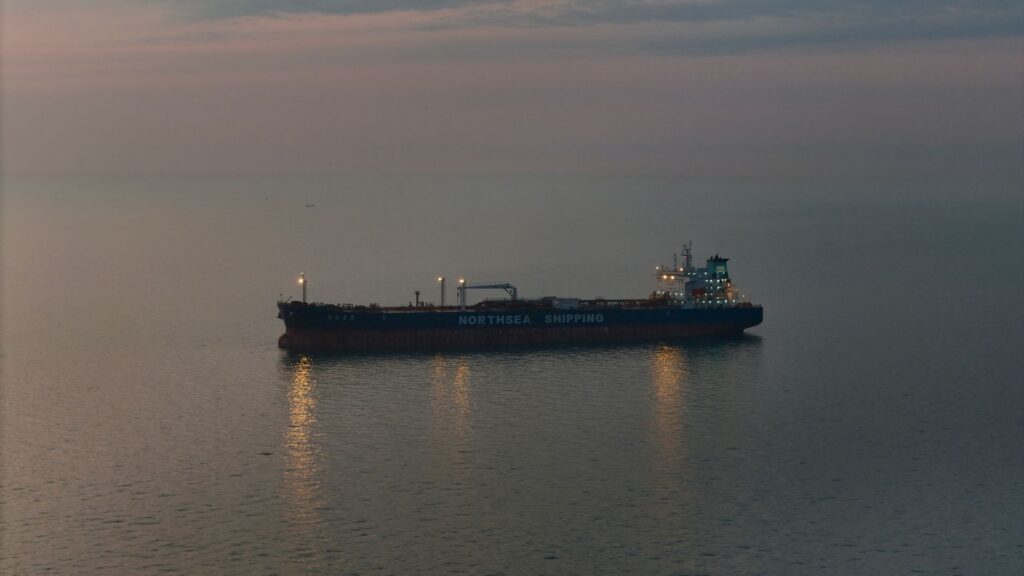
The Iran oil supply shock is rattling crude markets just as China, Tehran’s last major customer, comes back for more barrels it can no longer get. The result is a scramble for replacement oil that is pushing up costs for refiners, squeezing shipping capacity, and raising the odds that Iran tries to choke off the Strait of Hormuz, a chokepoint still carrying 13 million barrels a day. For currency markets, this is a slow-burn story rather than a single headline, and it is worth tracking stage by stage.

Timeline: How the Iran Oil Supply Shock Built Up
The roots of this go back to December 2024, when Bashar al Assad’s government fell in Syria. That event broke the political relationship that had kept Iranian oil flowing to Damascus, and it left China as Iran’s only remaining crude buyer. Through 2025, China took in an average of 1.4 million barrels a day of Iranian oil, a volume that quietly became important to its independent refiners.
The next stage came in late February, when a war initiated by the US and Israel against Iran reshaped the picture again. Tehran blocked other tankers from crossing Hormuz while letting its own cargoes pass freely, and that gave Iranian crude an odd competitive edge. Chinese intake of Iranian oil climbed to around 1.76 million barrels a day in April, as buyers leaned harder into the one supplier still moving freely through the strait.
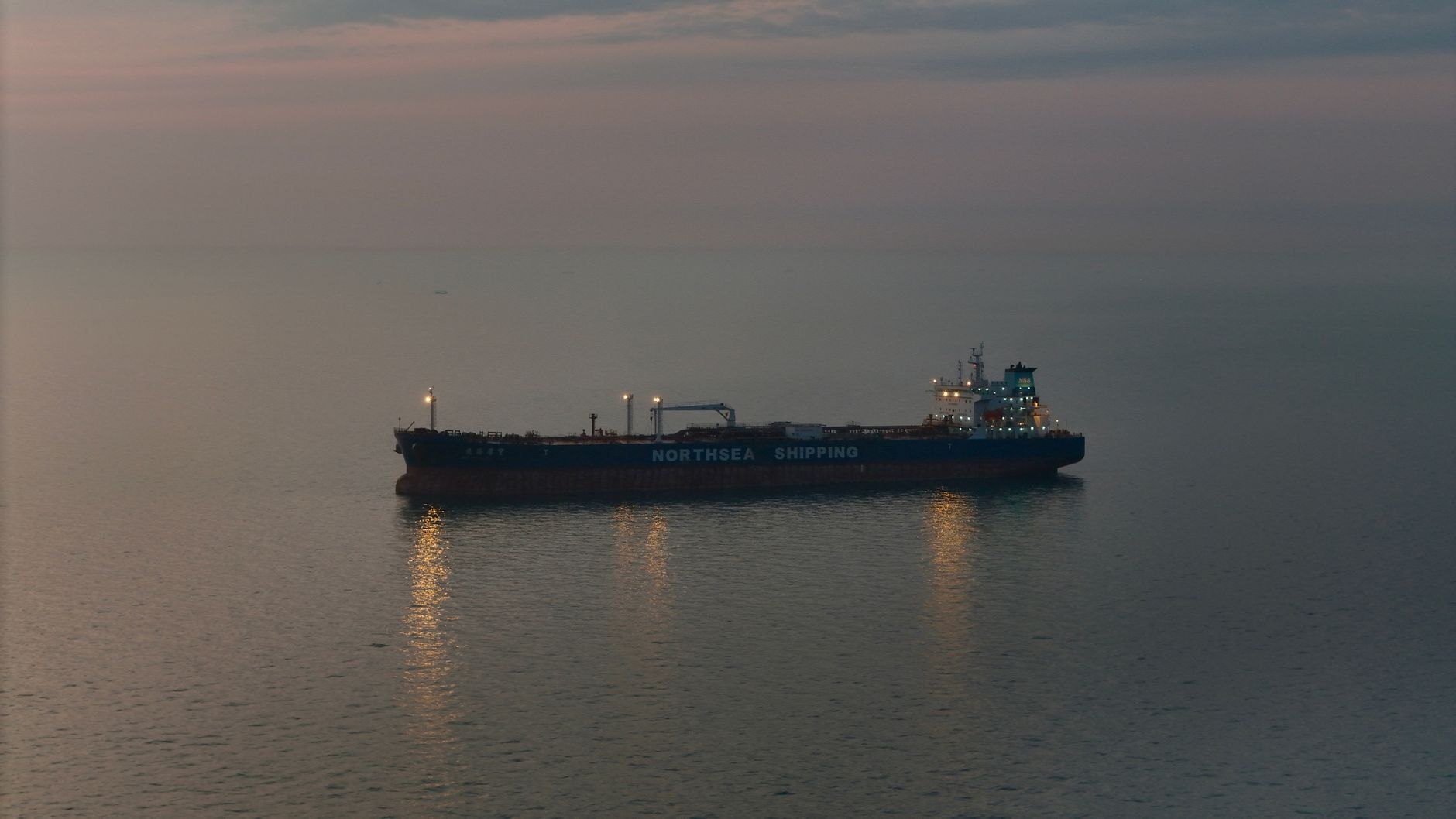
That edge disappeared on April 13, when the US announced a blockade. Loaded tankers could no longer leave the Gulf, and empty vessels could not enter to pick up cargo. Loadings at Kharg Island, Iran’s main export terminal, collapsed from around 1.8 million barrels a day as the blockade took hold.
Where that leaves the market today is the heart of the Iran oil supply shock: Hormuz is still carrying 13 million barrels a day of flows, which is just 5 million barrels a day below its pre crisis level, even as Iran’s own oil stays trapped behind the blockade. China’s demand has not gone away, so its refiners are now forced to pay for pricier, longer haul alternatives instead of discounted Iranian crude. The next date that matters is whichever day Tehran decides that vanishing export revenue is worth the risk of moving against tanker traffic through Hormuz itself.
Which Currency Pairs Move on This, and Why
Crude markets and currency markets are tightly linked, and the Iran oil supply shock touches several pairs at once. The US dollar tends to firm on Gulf tension because it is the settlement currency for oil and the default safe haven when shipping risk rises. The yen and the Swiss franc also attract flows in moments of acute risk, for the same reason investors reached for them during the Gulf war risk premium episode.
Commodity currencies split depending on their exposure. The Canadian dollar and Norwegian krone, tied to oil exporting economies, can gain support from higher crude prices even as broader risk sentiment sours. The Chinese yuan sits on the other side of the trade, since higher import costs for crude widen China’s energy import bill at a moment when policymakers in Beijing would rather see consumer costs ease, not rise.
Who Benefits and Who Loses
Winners and losers from the Iran oil supply shock are fairly clear cut. Gulf producers that can fill the gap left by Iranian barrels stand to gain market share and pricing power, much as described in the Saudi crude export pivot. Non-Iranian suppliers able to offer long haul cargoes into Asia also benefit from the premium buyers are now willing to pay.
On the losing side, China’s independent refiners face the sharpest hit. They built their margins around discounted Iranian crude, and now must compete for the same expensive alternatives as everyone else, all while absorbing record freight rates on longer routes. Iran itself loses the most directly: its main export terminal at Kharg Island has seen loadings collapse, and Tehran is watching export revenue disappear even as its oil sits unsold.

What This Means for You
If you do not trade currencies or oil, the Iran oil supply shock still reaches your wallet through a simple channel: fuel costs. When refiners pay more for crude because cheaper Iranian barrels are gone, that cost eventually shows up at the pump and in the price of anything that needs to be shipped or trucked. Households that already felt the effect of the Saudi oil bypass risk story should expect the same kind of pressure here.
Savers holding cash in dollars, yen, or francs may see those holdings strengthen a little if Gulf tension stays elevated, simply because money tends to flow toward perceived safety during periods like this. Borrowers and anyone with a variable mortgage should watch headline inflation prints closely, since a sustained rise in fuel costs can feed into broader price pressure and complicate central bank plans to cut rates. None of this calls for sudden financial decisions. It is a reason to watch fuel and energy headlines a little more closely than usual, the same way readers tracked the Hormuz strait talks for signs of de-escalation.
Risks to This View
The biggest risk to this analysis is that it assumes Tehran continues absorbing the blockade rather than escalating against Hormuz traffic itself. If Iran instead reaches some accommodation that restores a portion of its exports, the pressure described here eases quickly. It is also possible that Chinese demand cools before alternative supply becomes scarce enough to matter, which would blunt the price impact on refiners and, in turn, on currency markets. Freight rates could ease if more vessels become available for long haul routes, reducing one of the cost pressures refiners currently face. As always with a blockade situation, the facts on the water can shift faster than headlines capture them, so this read should be treated as a snapshot of where things stand now rather than a fixed outcome.
Get daily forex setups and market breakdowns on our Telegram: Join Pip Talk on Telegram
This article is market analysis and commentary, not financial advice.

What the video covers
Kharg Island loadings collapsed from about 1.8 million barrels a day once the US blockade hit on April 13. Everyone points to that war as the start, but this really began in December 2024. After Assad fell, China became Iran’s only major buyer, taking 1.4 million barrels a day through 2025. War broke out in late February; Iran’s tankers crossed freely, lifting Chinese intake to 1.76 million barrels a day by April.
That edge vanished on April 13: loaded tankers could no longer leave the Gulf, and empty ones could not enter. Hormuz still carries 13 million barrels a day, just 5 million short of its pre crisis level. The next marker is simple: the day Tehran decides lost revenue is worth risking Hormuz traffic itself. Here’s where it turns into a currency story: the dollar firms as oil’s settlement currency, with yen and franc close behind.
The Canadian dollar and krone can gain from pricier crude, while the yuan absorbs a wider import bill. Gulf producers and long haul suppliers able to fill the gap gain market share and pricing power. China’s independent refiners lose the most, giving up discounted barrels that once averaged 1.4 million a day. Iran loses most directly: Kharg Island loadings stay collapsed from 1.8 million barrels a day, with revenue vanishing.
Here’s the part that hits your wallet directly: pricier crude feeds straight through to pump prices and shipping costs. None of this calls for sudden financial decisions, just closer attention to fuel headlines. Savers holding dollars, yen or francs may see modest gains, while variable rate borrowers face inflation risk instead. If Tehran strikes a deal, part of that 5 million barrel gap could close fast and ease this pressure.
Either Tehran settling or Chinese demand cooling before supply tightens further would blunt this entire story. Watch USD, JPY and CHF firm on Gulf risk, while CAD and NOK track crude higher. This is a snapshot of where things stand now, not a fixed outcome.
Transcript of “Iran oil supply shock: how Hormuz tension could move USD, CNY and CAD”.

I’m Vinit Makol. With 20+ years in forex and financial markets, I serve as lead analyst at Edge-Forex, covering currency markets, macroeconomics, trading strategies, and market-moving events to give traders practical insights they can actually use.