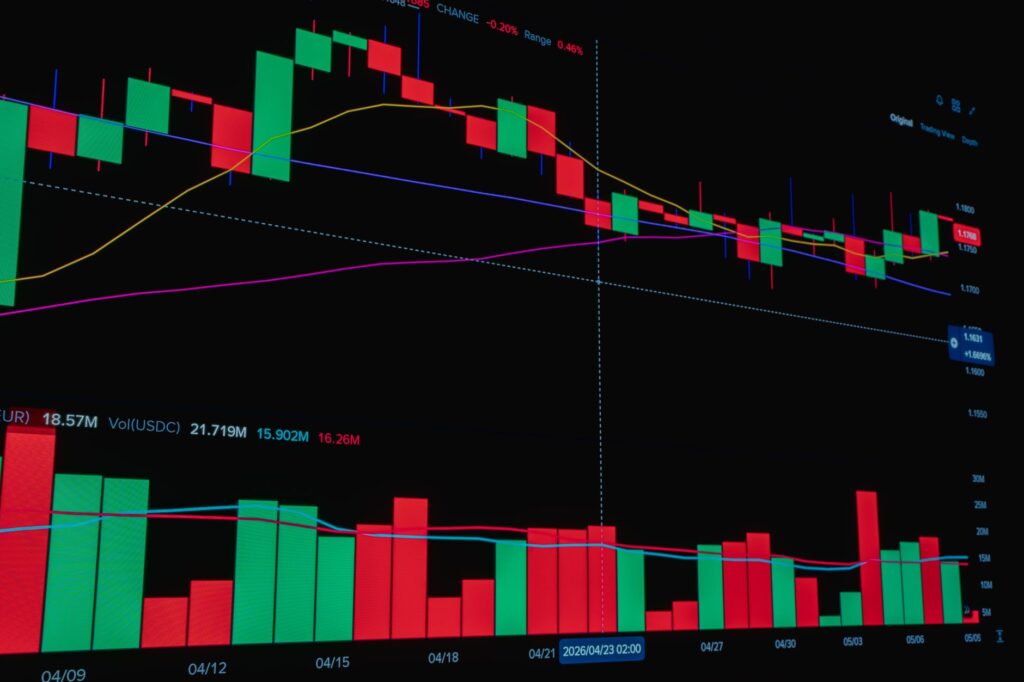
Iran talks resume as soon as this week, President Trump told Axios on Sunday, even though he rejected a seven day truce plan that Iranian officials brought to the United Nations General Assembly. The proposal tied a ceasefire to reopening the Strait of Hormuz, a key chokepoint for the world’s energy supplies, but Trump called it something he “would have maybe agreed to a year ago.” For currency and oil markets, the signal that Iran talks resume matters more than the rejected offer itself, because it lowers the odds of an immediate escalation while leaving the underlying standoff unresolved.

What actually happened
Iranian Foreign Minister Abbas Araghchi presented a plan for a seven day truce covering Lebanon and the wider Middle East, followed by reopening Hormuz, in exchange for releasing frozen Iranian assets, lifting sanctions on Iranian oil, and ending the US naval blockade. Trump dismissed it and has floated resuming full scale air strikes on Iranian targets. Yet in the same breath he said indirect talks between Washington and Tehran could begin as early as Monday, according to Axios. US ambassador to the UN Mike Waltz called Iran’s demands a “cynical attempt” to get sanctions relief and asset access “just to talk.” Meanwhile Iran’s Revolutionary Guards said they seized an American submersible drone in the Strait of Hormuz on Sunday, describing it as being used for espionage. The war between the US, Israel, and Iran began nearly seven months ago, and a June memorandum of understanding to end it collapsed after Iran fired on commercial ships in Hormuz that it accused of ignoring its approved shipping routes.
Why traders care that Iran talks resume
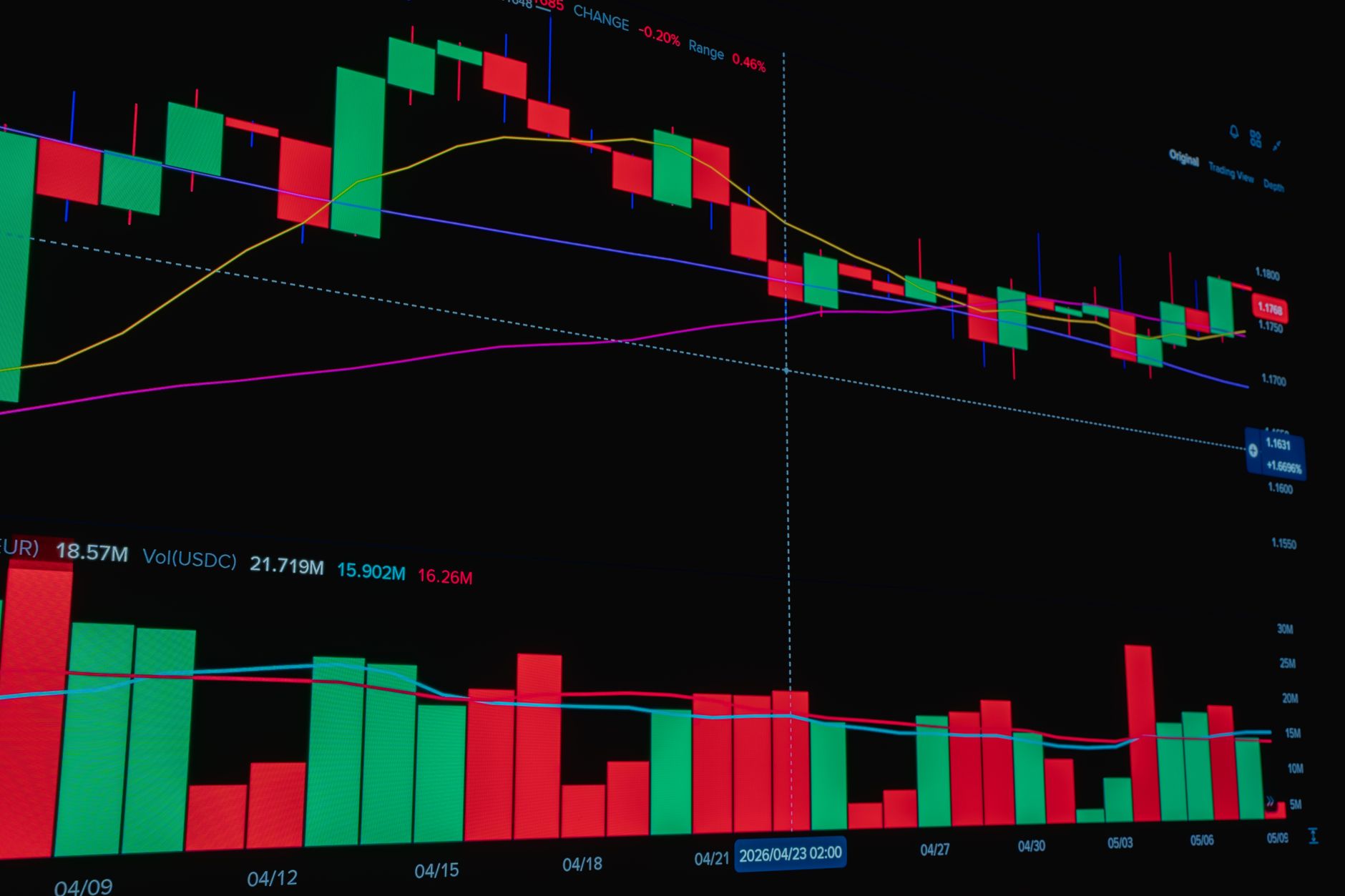
Hormuz sits at the center of this conflict because it is the route for a large share of global oil shipments, and any disruption there feeds directly into energy prices. When Iran talks resume, even without a deal, markets tend to read it as a reduction in near term escalation risk, which typically eases the safe haven bid for the US dollar, the Swiss franc, and the Japanese yen. Conversely, the drone seizure and the “we will not back down” language from Araghchi keep a floor under risk premiums, because the Strait remains a live flashpoint rather than a resolved one. This tug of war shows up most clearly in oil linked and safe haven currency pairs. Commodity currencies such as the Canadian dollar and the Norwegian krone tend to firm when oil prices are supported by Gulf risk, while the yen and franc tend to gain when headlines turn toward strikes rather than talks. We’ve covered this dynamic before when the same chokepoint was in focus in our Hormuz Strait Talks piece, and the broader pattern of Gulf tension repricing fuel costs and currencies is explored in our Gulf War Risk Premium analysis.
Who benefits and who loses
The US administration benefits from projecting that it is not desperate for a deal. Trump’s line that Iran “overplayed their hand” is a negotiating posture meant to signal Washington can wait, which in theory supports the dollar as traders price in less urgency for a resolution that would otherwise involve sanctions relief. Iran, for its part, benefits from simply keeping the topic of Hormuz on the table at the UN stage, since it applies pressure without firing a shot, and the seizure of a US drone lets it show strength domestically. Losers include anyone exposed to shipping and insurance costs through the Strait, since Iran’s requirement that vessels obtain authorization before passage, and its pattern of targeting non compliant ships, keeps a persistent risk premium in tanker and freight markets. Oil importing economies, particularly in Asia and Europe, absorb that premium indirectly through higher landed fuel costs, which can filter into their own currencies if central banks have to weigh energy driven inflation against growth. This is the same mechanism we described when Chinese pressure on Tehran eased oil markets in our China Iran Pressure coverage, and it echoes how the Trump Xi trade truce also shifted currency positioning simply by lowering the odds of the worst case outcome.

What this means for you
If you are not a trader, the Iran talks resume headline still touches your wallet through a few channels. First, petrol and diesel prices are the most direct link, since Hormuz carries a large share of the world’s oil, and any escalation there, such as further ship seizures or naval incidents, can push pump prices higher within days. Second, if you hold savings in a currency like the yen or franc, note that these tend to strengthen when Gulf tensions rise and weaken when Iran talks resume with any credibility, so your foreign currency holidays or cross border purchases can shift in cost around these headlines. Third, if you are a borrower, energy driven inflation surprises can influence how central banks talk about interest rates, which indirectly affects mortgage and loan pricing over time. The practical takeaway is not to trade the news, but to expect more volatility in fuel bills and currency conversion rates until the Strait of Hormuz standoff is actually resolved rather than merely discussed.
Risks to this view
The most obvious risk is that expecting talks to resume is not the same as reaching a deal, and Iran’s Revolutionary Guards spokesman Hossein Mohebi said the country “will not cease punishing the US” until its seven conditions are met, which include an end to hostilities in Yemen as well as the Gulf. If indirect talks stall again, as the June memorandum did after ships were fired on in Hormuz, the market’s modest optimism could reverse quickly, pushing oil and haven currencies back toward their prior levels. There is also a verification risk. Even if a truce is announced, the reopening of Hormuz depends on Iran’s own conditions being met first, according to Araghchi, so any US hesitation on sanctions or asset releases could keep the channel effectively closed regardless of what is said in New York. Finally, the drone seizure shows that incidents can occur independent of the diplomatic track, meaning a single naval or shipping event could override the more constructive tone from the talks themselves.
Get daily forex setups and market breakdowns on our Telegram: Join Pip Talk on Telegram
This article is market analysis and commentary, not financial advice.

What the video covers
Iran offered a seven day truce, tied to reopening the Strait of Hormuz. Trump rejected it flat out. The deal traded a ceasefire for frozen assets, lifted oil sanctions, and an end to the naval blockade. That same weekend, Iran’s Guards seized a US drone in Hormuz, calling it espionage, then floated talks anyway. This standoff has run for nearly seven months, ever since a June truce collapsed.
Hormuz carries a huge share of the world’s oil, so disruption there feeds straight into prices. Here’s the flip: talks easing tension can quietly drain demand for the dollar, franc and yen. Commodity currencies like the loonie and krone firm on Gulf oil risk, opposite to safe havens. Trump’s line that Iran overplayed their hand signals Washington isn’t desperate for a deal.
Iran keeps Hormuz on the table at the UN, and the drone seizure shows strength at home. US ambassador Mike Waltz called Iran’s demands a cynical attempt to get sanctions relief just to talk. Losers include shipping and insurers, since Iran requires authorization before passage through the Strait. Petrol and diesel are the most direct hit, since Hormuz carries a huge share of world oil.
Here’s the part that hits your wallet: yen and franc savings shift value around these headlines. After seven months of conflict, energy driven inflation can nudge how central banks talk rates. Iran’s Guards say punishment continues until seven conditions are met, including ending hostilities in Yemen. Watch the yen, franc, Canadian dollar and krone, since this mechanism swings both directions fast.
Araghchi’s own condition is that Hormuz reopens only after Iran’s demands are met first. The June truce collapsed the same way, so expect volatility until Hormuz is resolved, not just discussed.
Transcript of “Iran talks resume after Hormuz truce rejection: what it means for oil and FX”.

I’m Vinit Makol. With 20+ years in forex and financial markets, I serve as lead analyst at Edge-Forex, covering currency markets, macroeconomics, trading strategies, and market-moving events to give traders practical insights they can actually use.