
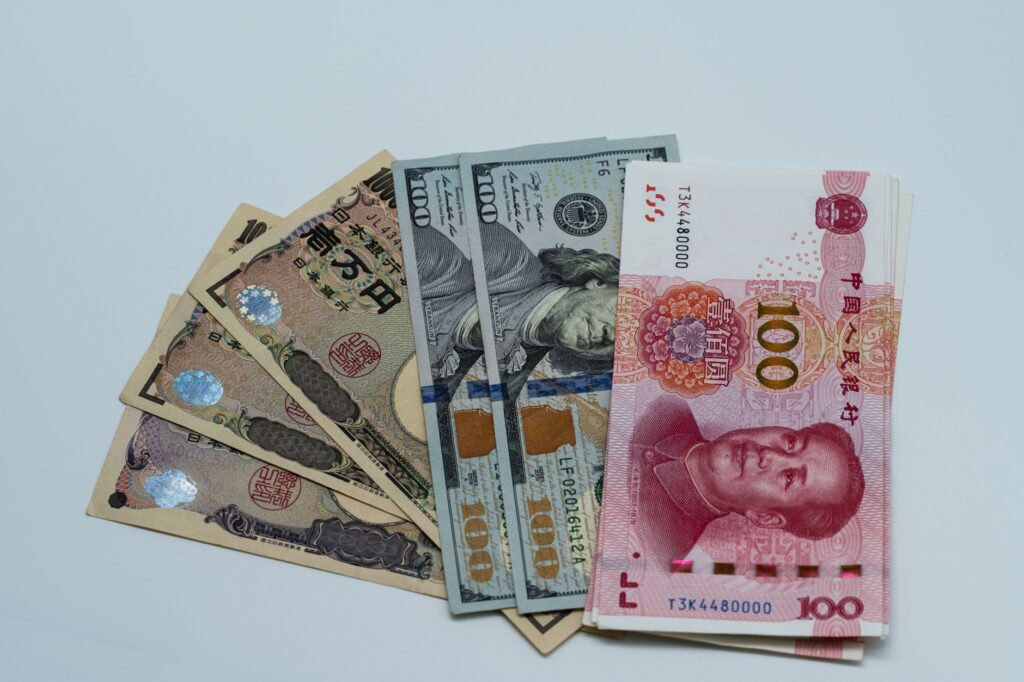
China said on Saturday it has agreed with the United States on a 30 billion tariff cut and a new dialogue on artificial intelligence, part of an eight point consensus reached during President Xi Jinping’s visit to Washington. The announcement, confirmed by China’s Foreign Ministry, follows a three day summit between Xi and President Donald Trump that leaned on personal diplomacy rather than one dramatic breakthrough. For currency markets, a reciprocal 30 billion tariff cut is a concrete, checkable number in a relationship that has mostly produced vague statements this year.

Five Numbers Behind the 30 Billion Tariff Cut
To understand why this story matters for forex, walk through the numbers Beijing put on the table, biggest first.
$30 Billion: The Headline Figure
The reciprocal tariff reduction arrangement is worth 30 billion dollars, according to China’s Foreign Ministry. That is the single checkable number markets can point to, why this is being read as de escalation rather than another round of talks. A 30 billion tariff cut lowers the effective cost of goods crossing the Pacific in both directions, the kind of detail that eventually shows up in trade balances and currency demand.
Nov. 10: The Deadline That Got Pushed
Before this weekend, the two countries had already agreed to extend a trade truce due to expire on Nov. 10. That deadline was the thing keeping traders nervous through October, since a lapse would have meant tariffs snapping back. With it defused, some of the risk premium built into dollar and yuan positioning has less reason to stay.
Eight Points of Consensus
The framework reached during the visit runs to eight points, covering the tariff arrangement, a new trade council, an AI dialogue, and support for each side hosting APEC and G20 gatherings. Eight points signal both governments wanted something comprehensive, not a single concession that could unravel in a news cycle.
Three Days in Washington
Xi’s visit ran three days, ending Friday, before he flew back to Beijing. Markets tend to treat shorter, calmer summits as a sign the technical work was done in advance.
Two Months of Extra Time
Treasury Secretary Scott Bessent said the truce would be extended by two months, buying time toward a bigger deal. That window is now the calendar traders should watch, since it is the point at which this progress either gets locked in or looks fragile again.
What the 30 Billion Tariff Cut Means for Currency Pairs
The direct forex read is on the offshore yuan, USD/CNH, and secondarily on risk sensitive pairs like AUD/USD and NZD/USD that track China facing trade sentiment. A 30 billion tariff cut is a tangible reduction in friction between the world’s two largest economies, and that typically supports the yuan against the dollar, since it points to steadier export demand and less need for Beijing to lean on currency weakness to offset tariff costs. The dollar’s side is more mixed. Softer trade tension can reduce the safe haven bid that sometimes supports the greenback during tariff escalation, while easing one source of inflation risk the Federal Reserve had been watching.
Commodity currencies matter here too. Australia and New Zealand both sell heavily into China, so any real improvement in trade flows tends to show up first in AUD and NZD strength before it reaches the majors. The new trade council and eight point framework both suggest this is meant to be a working relationship, not a one off gesture, and currency markets discount durability, not just headlines. This is the same dynamic covered when the initial truce was struck, as explained in Why the Trump Xi Trade Truce Could Move Your Money, and the AI dialogue announced alongside the 30 billion tariff cut adds a second channel worth watching.
Trade de escalation between China and the U.S. tends to ripple into broader risk appetite, and readers who have followed how energy agreements move currencies will recognize the pattern from Why a US China LNG Deal Could Change Your Fuel Bill, where improved ties translated into steadier energy flows and calmer currency pairs.
Who Benefits and Who Faces the Bigger Test
Exporters on both sides are the clearest winners from a 30 billion tariff cut, since lower tariffs directly reduce the cost of moving goods across the Pacific. Chinese manufacturers gain more certainty about U.S. demand, while American exporters get a partial reprieve from retaliatory tariffs that had squeezed margins. Currency traders positioned for continued escalation face the bigger test, since genuine de escalation removes one of the clearer catalysts for renewed dollar strength or yuan weakness heading into November.

What This Means for You
If you are not trading currencies day to day, the practical impact of a 30 billion tariff cut shows up in slower, quieter ways rather than overnight ones. Lower tariffs on goods moving between China and the U.S. can eventually feed through to retail prices on imported electronics and components, though that typically takes months rather than days. If you hold savings in dollars, a calmer trade relationship tends to reduce the volatility that has been pushing currency swings this year, generally good news for anyone who does not want to think about exchange rates. Anyone with a mortgage or loan tied to central bank policy should note easing trade tension can remove one source of inflation pressure the Federal Reserve has been watching, though a single arrangement is far from the only input into rate decisions. Travelers converting dollars to yuan, or to currencies like the Australian or New Zealand dollar, may see marginally steadier exchange rates in the near term, simply because one source of uncertainty has been dialed back. None of this is immediate, but it is the kind of background shift that shows up in your monthly costs before it appears in a headline.
The Risks to This View
An eight point consensus is not a signed treaty, and several of its components, including the trade council and the AI dialogue, are structures still to be built out rather than completed agreements. The two month extension means the arrangement sits on a clock, and if talks stall before that window closes, the 30 billion tariff cut could end up looking more symbolic than structural. There is also the standard risk with any bilateral summit: personal diplomacy can produce warmer headlines than durable policy, and currency markets have been burned before by optimism that faded once the technical details were worked out. Readers newer to how these headlines translate into pip movement may find it useful to start with How Does Forex Trading Work? A Step-by-Step Breakdown before acting on any single news event, and anyone tempted to chase the initial reaction should revisit Trading Psychology Rules Every Forex Trader Should Follow, since headline driven moves in USD/CNH and the commodity currencies are exactly where discipline tends to matter most.
Get daily forex setups and market breakdowns on our Telegram: Join Pip Talk on Telegram
This article is market analysis and commentary, not financial advice.

What the video covers
China and the US just agreed to a $30 billion reciprocal tariff cut. By the end, you’ll know the one currency pair most exposed to this deal. The old truce was set to expire November 10, when tariffs would’ve snapped back. That deadline had kept dollar and yuan traders on edge through October.
The new framework runs eight points, from tariffs to a trade council to AI talks. Eight points signal both governments wanted a comprehensive deal, not one fragile concession. Here’s the pair traders are watching most closely as this framework unfolds. Xi’s visit lasted just three days before he flew back to Beijing Friday.
Markets read short, calm summits as proof the technical work was already finished. Stick around, the currency most sensitive to this news is coming up next. Treasury’s Scott Bessent says the truce now runs two extra months toward a bigger deal. That window is the one to watch, since progress either locks in or unravels.
The clearest forex read here is on USD/CNH, the offshore yuan against the dollar. Less friction tends to support the yuan while easing the dollar’s safe haven pull. USD/CNH often firms first as Australia’s and New Zealand’s exporters see steadier China demand. But eight points is a framework, not a treaty, so USD/CNH gains could still fade.
Watch that two month window, it decides if USD/CNH holds this move or reverses.
Transcript of “30 billion tariff cut ties China US truce to USD/CNH and AUD moves”.

I’m Vinit Makol. With 20+ years in forex and financial markets, I serve as lead analyst at Edge-Forex, covering currency markets, macroeconomics, trading strategies, and market-moving events to give traders practical insights they can actually use.