
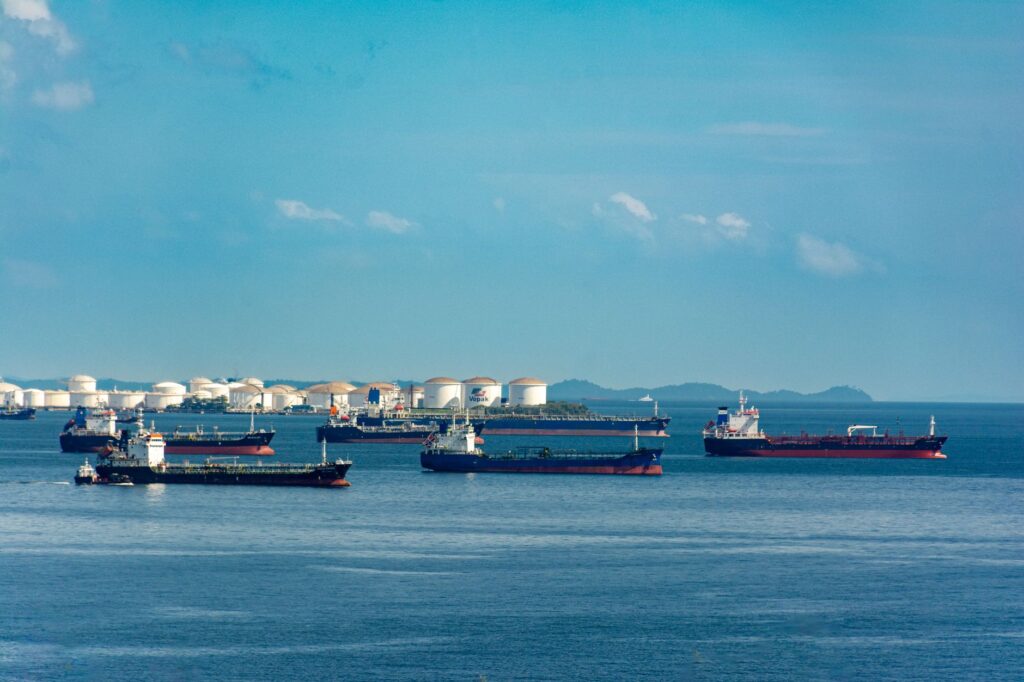
Record tanker rates have turned the Middle East oil crisis into a full-blown shipping crisis, with the cost of moving crude from the Persian Gulf to Asia smashing records nearly every day in October. Supertanker rates jumped another 40% in the first week of October alone, topping $1.4 million per day on the Gulf to East Asia route, after September had already set a record above $1 million per day. For currency markets, this is not just a shipping story, it is a fresh channel through which the Iran war is pushing oil-linked currencies, the dollar and inflation-sensitive bonds around.

What Happened: Record Tanker Rates Explained
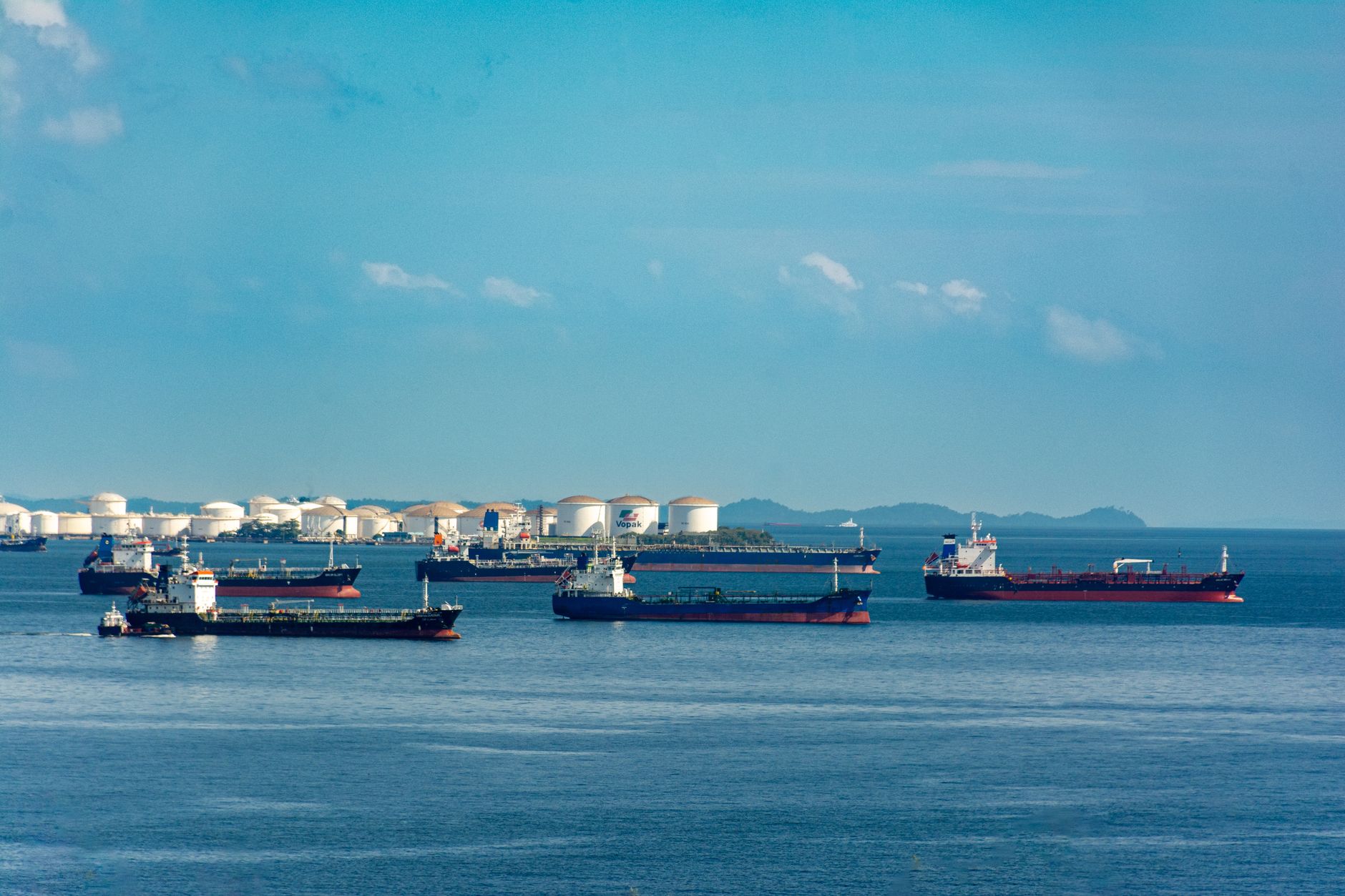
Ship-to-ship transfers near the Strait of Hormuz, mostly carried out in the Gulf of Oman, are tying up very large crude carriers (VLCCs) for weeks while oil is moved between vessels outside the strait. That inefficiency is removing tankers from circulation on other major routes, including the U.S. Gulf Coast to Asia run. The scarcity has rippled down to smaller vessels too, with Aframax and Suezmax tankers now in short supply and commanding higher daily rates as well. Asian refiners have already started ditching U.S. oil as supertanker rates hit $82 million per voyage, and U.S. to China crude shipping costs have soared to $76 million per cargo, roughly ten times pre-war levels. These costs add tens of dollars per barrel to the delivered cost of oil, even before the crude itself is priced.
Which Currencies and Pairs Record Tanker Rates Move
Record tanker rates matter for currency markets because they act as a tax on global trade that lands differently depending on who is buying, selling or shipping oil. Brent has held above $100 as Hormuz tanker traffic drops to a two-month low, and that combination of high oil prices and high freight costs feeds straight into import bills for oil-dependent economies. The U.S. dollar tends to firm as a safe haven when Gulf tensions escalate, while currencies of large oil importers such as the Japanese yen, the Indian rupee and the euro face added pressure as their energy import costs rise. Commodity-linked currencies such as the Canadian dollar and the Norwegian krone can benefit from higher oil prices, though producer currencies are not fully immune if shipping bottlenecks make it harder to deliver crude to buyers. This dynamic echoes the freight and insurance premium discussed in Gulf War Risk Premium: Why Your Fuel Bill Could Rise Again, where rising war risk costs on tankers were already pushing up landed fuel prices before this latest surge.
Who Benefits and Who Loses From Record Tanker Rates
Tanker owners and shipping companies are the clearest winners, since every extra day a VLCC spends waiting for a ship-to-ship transfer, or every extra dollar charged per voyage, flows straight to the vessel operator. Oil majors with strong refining margins can also benefit when fuel supplies are tight, as refining profits climb even as crude costs rise. The losers are oil importing nations and the companies and consumers within them. Refiners and buyers in Asia, Europe and the U.S. who depend on seaborne crude face higher landed costs, which were already visible when Asian refiners started ditching U.S. oil rather than pay $82 million per supertanker voyage. That cost pressure matters for currencies too, since countries that import most of their energy, like Japan and India, see their trade balances and currencies weaken further as fuel import bills climb. The dynamic is similar to what pushed import costs higher in India Russian Oil Tariffs Could Hit Your Rupee Savings, where added costs on oil imports squeezed the rupee.

What Record Tanker Rates Mean for You If You Don’t Trade
Record tanker rates do not stay confined to shipping contracts and currency screens, they eventually show up at the pump and on household bills. If rates stay near $1.4 million a day, expect delivered crude and refined fuel to cost more, since tens of dollars per barrel in extra freight gets passed along the supply chain to refiners, then to fuel retailers, then to drivers. If you drive, budget for petrol and diesel prices that track not just the price of oil itself but these extra shipping costs, a squeeze already flagged in Iran Oil Supply Shock Could Push Up Your Petrol Price. If you hold savings in a currency tied to an oil-importing economy, such as the yen, the rupee or the euro, watch for further weakness if freight costs stay this high, since that raises the cost of imported energy and can widen trade deficits. Borrowers should also pay attention: persistently higher fuel costs feed into inflation, and central banks facing sticky inflation are less likely to cut interest rates quickly, which can keep mortgage and loan costs elevated for longer. None of this requires trading currencies directly, but it is worth checking fuel budgets and any savings held in oil-importer currencies while shipping costs remain this elevated.
Risks to This View
The relationship between record tanker rates and currency moves is not mechanical. Shipping bottlenecks can ease quickly if ship-to-ship transfers near Hormuz become more efficient, or if fewer tankers are needed as trade routes adjust, pulling freight rates back down even if the underlying oil crisis is not resolved. A de-escalation in the Iran war, or a diplomatic breakthrough such as the kind discussed in Iran Talks Resume: What It Means for Your Fuel Bill, could ease both oil prices and freight costs together, reversing much of the currency pressure described above. It is also possible that freight costs stay elevated for shipping specifically while broader oil supply remains adequate, in which case the currency impact may be smaller than the headlines suggest. Finally, central bank policy responses vary: a central bank that tolerates higher near-term inflation to support growth may see its currency behave differently than the simple oil-importer-currency-weakens framework implies.
Get daily forex setups and market breakdowns on our Telegram: Join Pip Talk on Telegram
This article is market analysis and commentary, not financial advice.

What the video covers
Supertanker rates jumped 40% in a week, smashing records at $1.4 million a day on Gulf to Asia routes. Ship-to-ship transfers near the Strait of Hormuz tie up supertankers for weeks outside the strait. Shipping crude from the U.S. to China now costs $76 million a cargo, about ten times pre-war levels. September already set a record above $1 million a day, then October blew straight past it.
Aframax and Suezmax tankers are now scarce too, pushing their daily rates higher as well. These shipping costs add tens of dollars per barrel before the crude itself is even priced. Brent crude has held above $100 while tanker traffic through Hormuz hits a two-month low. The dollar tends to firm as a safe haven whenever Gulf tensions escalate like this.
Importer currencies face added pressure, while exporter currencies like the loonie and krone can gain. Asian refiners already ditched U.S. oil rather than pay $82 million for a single supertanker voyage. Every extra day a tanker waits for transfer, or every extra dollar charged, flows straight to the ship owner. Japan and India, heavy oil importers, risk weaker trade balances as fuel bills climb.
If rates stay near $1.4 million a day, expect petrol and diesel prices to track them. Sticky fuel-driven inflation could keep central banks slower to cut interest rates. Rates could ease fast if Hormuz transfers turn more efficient, even without an oil deal. With Brent above $100 and freight near $1.4 million a day, watch USD/JPY and USD/INR closely.
The post’s own caveat: a diplomatic breakthrough on Iran could unwind this pressure fast.
Transcript of “Record Tanker Rates Hit $1.4 Million a Day: What It Means for Oil Currencies”.

I’m Vinit Makol. With 20+ years in forex and financial markets, I serve as lead analyst at Edge-Forex, covering currency markets, macroeconomics, trading strategies, and market-moving events to give traders practical insights they can actually use.