USDCHF Yearly High: Dollar Winners, Franc Savers Lose Out
USDCHF yearly high arrives as hot US inflation lifts Fed hike bets while the Swiss National Bank holds rates at zero, hitting franc savers.
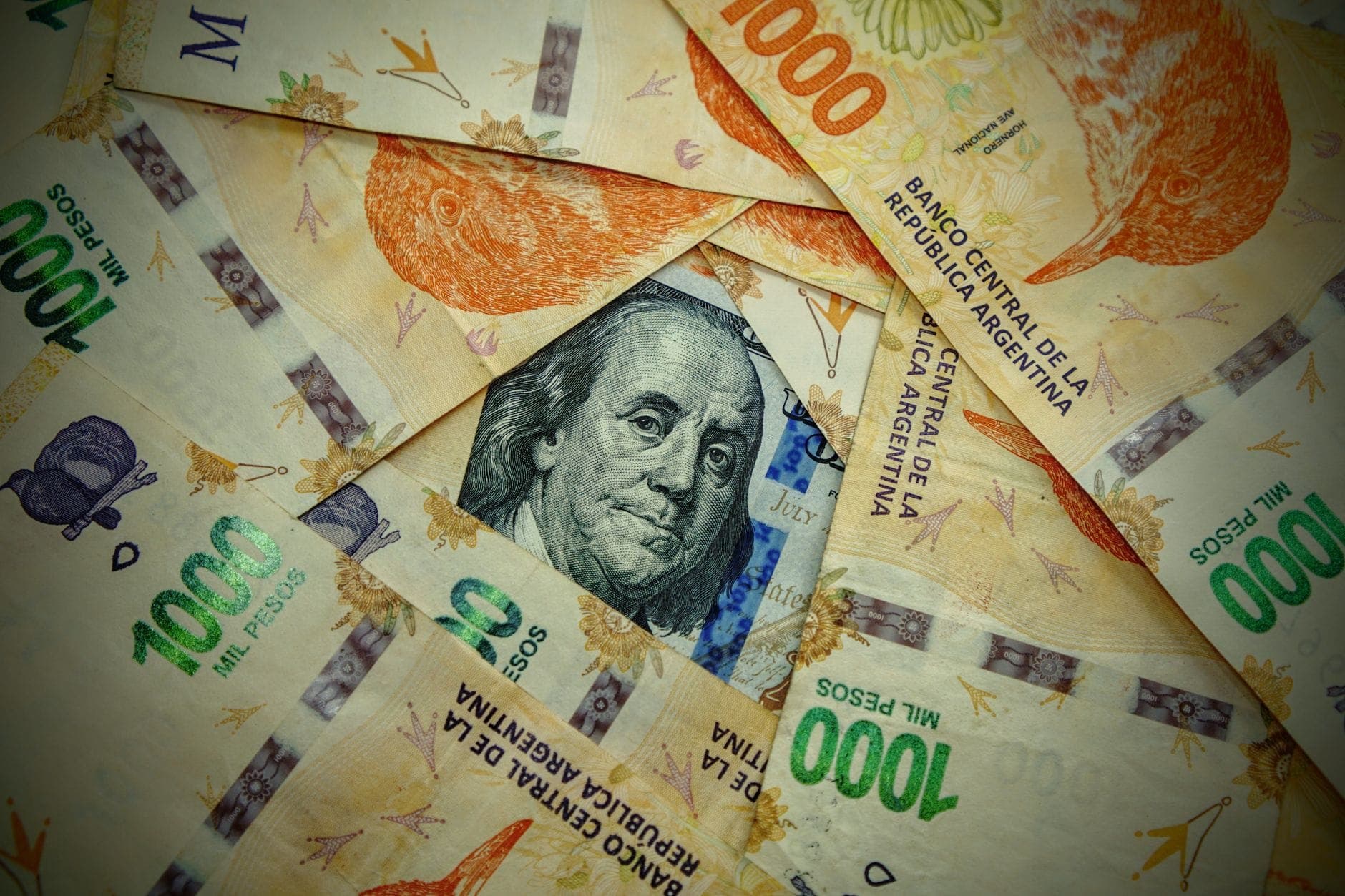
The US Dollar's broad rally pushed the pair to a fresh USDCHF yearly high on Wednesday, with USD/CHF climbing nearly 1% to trade around 0.8335, a four-week high and the second straight day of gains. The move came as the US Dollar Index (DXY) broke above its own prior ceiling, trading around 102.96 and topping the previous yearly peak of 102.94 set back in October. The driver is simple: hotter than expected US inflation and a wall of hawkish Fed commentary have traders betting on more aggressive rate hikes, while the Swiss National Bank sits still at a 0% policy rate.
 Play video: USDCHF Yearly High: Dollar Winners, Franc Savers Lose Out - video
Timeline: The Path to a USDCHF Yearly High
Before Tuesday: Fed officials had already flagged that a hot core inflation print could force a bigger move. Fed Governor Christopher Waller said a 50 basis point hike in December was on the table if core CPI landed at 0.3% or higher, and Dallas Fed President Lorie Logan and Philadelphia Fed President Anna Paulson both backed further tightening.
Tuesday: US Consumer Price Index data confirmed the hawkish case. Headline CPI rose 0.4% month on month in October, above the 0.3% forecast, though down from September's 0.6%. Core CPI, which strips out food and energy, rose 0.3%, matching September's pace and beating the 0.2% forecast, exactly the threshold Waller had pointed to.

Wednesday: Traders repriced the Fed path in response. The CME FedWatch Tool now shows markets fully pricing in a December rate hike, with an 87.1% probability of a 25 basis point move and a 12.9% chance of a larger 50 basis point increase, with further increases expected into 2027. The Dollar Index broke to 102.96, above October's prior yearly peak of 102.94, and USD/CHF rose nearly 1% to around 0.8335. That single session is what produced this USDCHF yearly high.
Who Wins and Who Loses From the Stronger Dollar
A widening US-Switzerland rate gap is the real engine behind this move. The Swiss National Bank has kept its policy rate at 0%, arguing that inflation, even after accelerating to 1.5% in October, its highest level in nearly three years, still sits within its price-stability range. That leaves the interest rate gap between the United States and Switzerland firmly in the Dollar's favor, almost the mirror image of the dynamic that drove the franc the other way during its earlier haven-driven surge.
Winners from this move include Dollar holders and anyone earning in Dollars while spending in francs or other currencies, since each Dollar now buys more. Short-term US Treasury and money market holders also benefit as the Fed's hawkish shift keeps yields elevated. Losers include Swiss exporters who might welcome a softer franc for competitiveness but now face currency moves tied to a US story rather than their own, plus anyone holding franc-denominated savings while the Dollar outpaces it. This hot US inflation print is not an isolated event either, similar hot inflation readings have already pressured other currencies in recent weeks, so the Dollar's strength is showing up across several pairs, not just USD/CHF.
What This Means for You: Savings, Loans, and Everyday Prices
You do not need to trade currencies for this to matter. If the Fed raises rates again in December, variable-rate borrowers, think credit cards, adjustable-rate mortgages, and some auto loans, could see financing costs tick higher. Savers holding cash in US Dollar deposits or money market accounts may see yields hold up or even edge higher, since the market is now fully pricing in a hike. On the other side, anyone paid or holding savings in Swiss francs effectively has less purchasing power against Dollar-priced goods right now, from imported electronics to US-listed assets and commodities priced in Dollars. Two things worth watching from here: whether upcoming US inflation data keeps running hot, which would keep upward pressure on borrowing costs, and whether the SNB signals any shift away from its 0% rate, which would change the math for anyone converting between francs and Dollars.
Risks to the USDCHF Yearly High Outlook
This view is not without risks. SNB Chairman Martin Schlegel has said the central bank would not hesitate to adjust policy if price stability comes under threat, noting that current Swiss inflation is being driven mainly by fuel and energy prices. He flagged that policymakers are watching closely for second-round effects, the kind of broader price pressure that could eventually justify an SNB response even with the policy rate parked at 0%. Schlegel also reiterated that while the policy rate remains the SNB's main tool, foreign exchange intervention could be used if necessary, a step that would be aimed squarely at capping further franc weakness. On the US side, the market has already priced in a great deal of Fed hawkishness, an 87.1% probability of a 25 basis point hike and 12.9% odds of 50 basis points, so any softer inflation surprise in the next report could quickly unwind part of this move.
What to Watch Next
The next real test is the December Fed decision, where markets are no longer debating whether a hike happens but how large it will be. Any fresh commentary from Waller, Logan, or Paulson between now and then will be read as a signal of which way that 25 versus 50 basis point call is leaning. On the Swiss side, watch for further remarks from Schlegel or signs that Switzerland's 1.5% inflation reading keeps climbing, since that is the threshold that could eventually pull the SNB off its 0% rate and ease the pressure on the franc. For traders building a broader view of Dollar strength, it also helps to track how other pairs are reacting, including the EUR/USD session patterns worth knowing around major US data releases.
Get daily forex setups and market breakdowns on our Telegram: Join Pip Talk on Telegram
Sources
Related guides
This article is market analysis and commentary, not financial advice.
What the video covers
USD/CHF jumped nearly 1% to 0.8335 on Wednesday, a four-week high and the second straight day of gains. Everyone points to Wednesday's breakout, but the real move began days earlier, when Waller named the CPI number that mattered. Fed Governor Waller said a 50 basis point December hike was possible if core CPI hit 0.3% or higher. Tuesday's headline CPI rose 0.4% month on month, above the 0.3% forecast but cooler than September's 0.6%.
Core CPI matched September's pace and beat forecasts, the exact threshold Waller had flagged days before. On Wednesday the Dollar Index broke to 102.96, topping October's prior yearly peak of 102.94. Traders now price an 87.1% chance of a 25 basis point December hike, 12.9% odds of 50. That single Wednesday session is what pushed USD/CHF to this fresh yearly high near 0.8335.
The real split comes down to one number: the Swiss National Bank is holding its policy rate at 0%. Swiss inflation accelerated to 1.5% in October, its highest in nearly three years, yet the SNB held its rate at 0%. Dollar holders and short-term Treasury holders gain, while Swiss exporters and franc savers lose purchasing power. If the Fed hikes again in December, variable rate borrowers, think credit cards and adjustable mortgages, could pay more.
Dollar savers may see yields hold steady, while anyone paid in francs has less power over dollar priced goods. SNB Chairman Schlegel flagged Swiss inflation at 1.5%, still within range but with intervention on the table. Schlegel said the SNB would not hesitate to act, and could use currency intervention to cap franc weakness. Markets have already priced in a lot of Fed hawkishness, so a softer inflation surprise could unwind this move.
The next test is the December Fed decision, no longer whether it hikes but by how much. Fresh comments from Waller, Logan, or Paulson before then will signal which way that call is leaning. USD/CHF is the pair to watch, moving on a widening US-Swiss rate gap, not a Swiss story at all. This is market analysis, not a signal: Swiss inflation at 1.5% could still pull the SNB off its 0% rate.
Transcript of "usdchf yearly high: dollar breaks out as franc savers lose ground".
Edge-Forex publishes general market analysis, not investment advice. Market data shown is indicative and may be delayed.
Written by
Vinit Makol
Lead Strategist and Market Analyst at Edge-Forex
Vinit Makol is a forex trader, strategist and market analyst with more than 20 years of experience in forex and financial markets.
Covers