XAU/USD Meaning And Why Gold Is Traded Like a Currency?
What is XAU/USD? Discover its meaning, how gold trades like a currency, and why it remains a safe-haven asset in global markets.
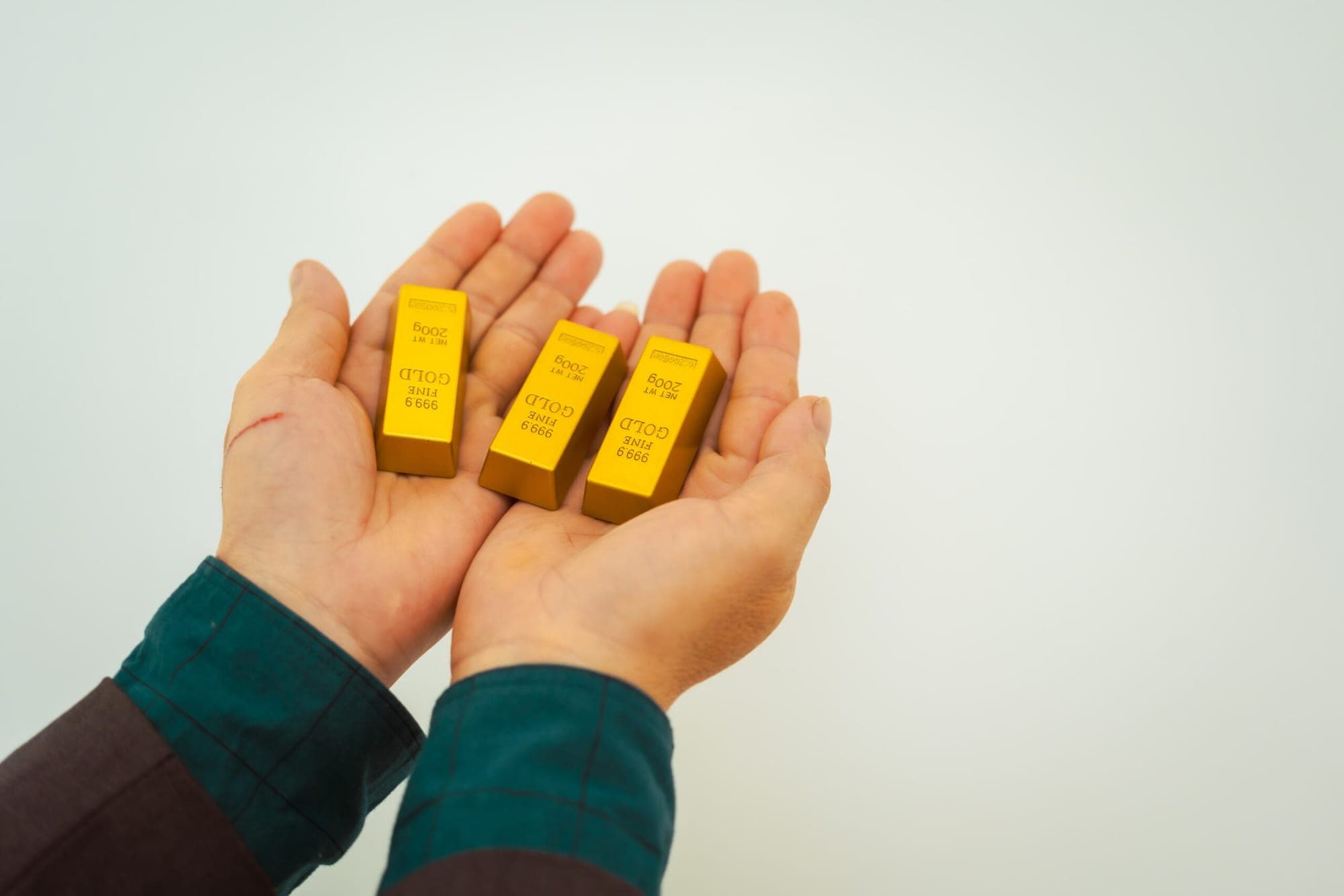
Short answer: XAU is the international code for one troy ounce of gold, with the X prefix marking it as a non-national commodity rather than a country's currency. In XAU/USD, gold is quoted against the U.S. dollar the same way currency pairs like EUR/USD are, showing how many dollars one ounce of gold costs.
XAU/USD is a trading term that frequently appears in the forex and commodity markets. If you’ve ever wondered what it means, you’re not alone. XAU/USD represents the value of gold measured in U.S. dollars. In simpler terms, it tells you how many dollars it takes to buy one troy ounce of gold. This trading pair is unique because it blends a traditional asset—gold—with a modern fiat currency.
Traders often monitor XAU/USD to understand global financial trends. This pair serves as a window into investor sentiment, inflation fears, and monetary policies. But why is gold quoted like a currency at all? Why does gold trade on forex platforms alongside currencies like the euro or yen?
To understand the deeper meaning of XAU/USD, you must first understand the special status gold holds in the financial world. Its behavior isn’t just about commodity pricing; it reflects monetary dynamics, investor psychology, and central bank decisions.
What Does XAU/USD Stand For?
XAU is the internationally recognized code for one troy ounce of gold. The “X” prefix signals that this is a non-national commodity. USD, of course, stands for the United States dollar. Together, XAU/USD reflects how much one ounce of gold is worth in U.S. dollars.
This format mimics how currency pairs are quoted, such as EUR/USD or GBP/USD. In the case of XAU/USD, you’re looking at a price quote that essentially compares gold to fiat money. This quote helps traders decide whether to buy or sell based on market sentiment, inflation expectations, and macroeconomic events.
For instance, if the XAU/USD price is 2,400, that means it takes 2,400 U.S. dollars to purchase one ounce of gold.
Why Is Gold a Currency in the First Place?
The question “Why is gold a currency?” may seem outdated in an era of central banks and digital wallets. However, gold’s currency-like behavior goes back thousands of years. Civilizations like the Greeks, Romans, and Chinese used gold coins as a medium of exchange. Even today, central banks hold gold as a reserve asset.
Gold is durable, divisible, portable, and scarce—all the properties of traditional money. While it’s no longer legal tender in most countries, gold still functions like currency because:
- It is globally accepted and recognized
- It retains value over long periods
- It can be exchanged easily for other currencies
Many traders and investors treat gold as money, especially when fiat currencies lose purchasing power. This is where the concept of XAU/USD becomes powerful. It allows gold to participate in the currency exchange system.
How XAU/USD Trading Works?
Trading XAU/USD is similar to trading other forex pairs. You buy XAU/USD if you believe gold will strengthen against the dollar. Conversely, you sell the pair if you think the dollar will outperform gold.
The price of XAU/USD is influenced by multiple factors:
- U.S. interest rates
- Inflation data
- Central bank decisions
- Geopolitical risks
- Global economic uncertainty
Let’s say the U.S. Federal Reserve lowers interest rates. This typically weakens the dollar, making gold more attractive. As a result, XAU/USD prices rise.
Gold as a Safe-Haven Asset
Gold has earned a reputation as a safe-haven asset. During market turmoil, traders flock to gold for protection. They often shift money out of equities or risky currencies into gold.
The XAU/USD pair becomes especially active during geopolitical conflicts, financial crises, or inflationary spikes. Historical examples include:
- The 2008 financial crisis
- The European debt crisis
- The COVID-19 pandemic
- The 2023 U.S. banking turmoil
In all these events, XAU/USD surged as investors sought a store of value. Gold as a safe-haven asset allows people to weather currency devaluations and economic shocks. That’s why gold’s correlation with fear and uncertainty remains strong.
Gold Trading Against the Dollar: A Unique Dynamic
Gold trading against the dollar reflects a complex relationship. The U.S. dollar is the world’s primary reserve currency, and gold is a counterbalance to it. When the dollar weakens, XAU/USD tends to rise. When the dollar strengthens, gold usually falls.
This inverse relationship has made XAU/USD a vital barometer for global confidence in the U.S. economy. Traders analyze gold trading against the dollar to interpret:
- Inflation trends
- Interest rate movements
- Fiscal stability
- Debt levels
In 2022 and 2023, rising inflation and aggressive Fed rate hikes caused volatility in XAU/USD. While rate hikes strengthened the dollar, they also triggered concerns about recession, pushing some traders back into gold.
The Role of Central Banks in XAU/USD Movements
Central banks play a key role in gold price movements and, by extension, in the XAU/USD pair. When central banks adopt dovish monetary policies—like printing money or keeping rates low—gold often rallies. Investors fear fiat currency debasement and turn to gold as a hedge.
Conversely, if central banks adopt hawkish policies and raise interest rates, it increases the opportunity cost of holding gold. Gold does not yield interest, so higher rates make cash more attractive.
Here’s how gold price and central bank policy are linked:
- Central bank easing → Weaker dollar → Higher XAU/USD
- Central bank tightening → Stronger dollar → Lower XAU/USD
In 2024, the People’s Bank of China and the Reserve Bank of India increased gold reserves to reduce reliance on the dollar. Their actions pushed XAU/USD higher, showing how central banks impact gold’s value directly and indirectly.
Benefits of Trading XAU/USD
Traders favor XAU/USD for several reasons:
- High liquidity: The pair is widely traded with tight spreads
- Volatility: Frequent price swings create profit opportunities
- Macro insight: XAU/USD reflects global risk appetite
- Inflation hedge: It acts as a barometer for real value
The pair offers more than just speculative value. It helps traders and investors understand broader market dynamics.
Risks of Trading XAU/USD
Despite its advantages, XAU/USD carries risk. The price can be volatile due to unexpected news or data releases. Political events, central bank surprises, or war headlines can lead to rapid price changes.
Here are some key risks:
- False breakouts during low liquidity hours
- Whipsaws from conflicting central bank signals
- Overreliance on technical indicators without macro context
Traders should use stop-loss orders and risk management strategies to protect themselves. Reading economic calendars and central bank statements is also essential when trading XAU/USD.
Real-World Example: 2020–2021 XAU/USD Rally
During the COVID-19 pandemic, XAU/USD surged from below 1,500 to over 2,050. Investors fled to gold due to massive stimulus spending and collapsing interest rates. The pair reached new highs as the U.S. dollar lost value.
The same period saw growing concerns about debt, inflation, and financial instability. This real-world example shows how XAU/USD reflects global sentiment shifts.
When the Federal Reserve hinted at tightening in late 2021, the dollar strengthened, and gold fell—bringing XAU/USD back below 1,800. This kind of sharp reversal is common when central bank narratives shift.
Why XAU/USD Still Matters in 2025?
In 2025, XAU/USD remains one of the most watched pairs in trading. Inflation is sticky, central banks are divided, and geopolitical risks linger. All these variables make gold as a safe-haven asset even more important.
For example:
- Rising U.S. debt may weaken the dollar again
- Central banks in Asia are buying more gold
- Currency wars could elevate gold’s reserve status
These developments drive attention toward XAU/USD and keep it central in trading strategies.
How to Analyze XAU/USD Effectively?
To trade XAU/USD well, you need to blend technical and fundamental analysis:
- Watch U.S. interest rate trends
- Monitor central bank gold reserve reports
- Track inflation and jobs data
- Use moving averages and RSI for entry signals
- Watch for breakout zones on daily and weekly charts
You should also consider sentiment indicators like gold ETF flows, CFTC positioning, and dollar index trends. A multi-angle view offers the best chance of understanding the price action.
Final Thoughts
XAU/USD is not just a trading pair. It reflects the intersection of monetary history, investor psychology, and modern central banking. Gold isn’t just a shiny rock. It behaves like money—especially when fiat currencies falter.
The XAU/USD meaning goes deeper than a spot price. It’s a lens into the trust or lack thereof in the global financial system. When traders ask “Why is gold a currency?” they’re really asking why the world still sees value in a metal that predates modern economies.
In a time of digital everything, gold’s analog simplicity stands out. And as long as fear, inflation, and uncertainty exist, it will remain a powerful gauge of global market sentiment.
Click here to read our latest article What Is Gold FOMO and How to Avoid It in 2025?
Frequently asked questions
What is XAU currency?
XAU is not a national currency, it is the code for one troy ounce of gold, with the X prefix marking it as a non-national commodity. Gold behaves like currency because it is durable, divisible, portable, scarce, globally accepted, retains value, and can be exchanged for other currencies, even though it is no longer legal tender in most countries.
What does 1 XAU mean?
One XAU equals one troy ounce of gold. When quoted as XAU/USD, the number shown is how many U.S. dollars it takes to buy that one troy ounce of gold, for example a price of 2,400 means one ounce of gold costs 2,400 U.S. dollars.
What is the difference between XAU and gold?
XAU is not a different asset from gold, it is simply the trading code representing one troy ounce of physical gold. XAU/USD is a price quote comparing that ounce of gold to the U.S. dollar, formatted like a currency pair such as EUR/USD, rather than a separate commodity.
How does gold trading against the dollar work?
Gold trading against the dollar reflects an inverse relationship, when the dollar weakens, XAU/USD tends to rise, and when the dollar strengthens, gold usually falls. Traders watch this relationship to interpret inflation trends, interest rate movements, fiscal stability and debt levels.
What does the XAU/USD forex gold rate show?
The XAU/USD forex gold rate shows how many U.S. dollars are needed to buy one troy ounce of gold. It moves with U.S. interest rates, inflation data, central bank decisions, geopolitical risks and global economic uncertainty, rising when the dollar weakens and falling when it strengthens.
Because XAU/USD can swing quickly on central bank news, it helps to know how to size a forex position and understand forex lot size before trading it.
Edge-Forex publishes general market analysis, not investment advice. Market data shown is indicative and may be delayed.
Written by
Vinit Makol
Lead Strategist and Market Analyst at Edge-Forex
Vinit Makol is a forex trader, strategist and market analyst with more than 20 years of experience in forex and financial markets.
Covers