Oil Rally Weakens Euro: What It Means for Your Money
Oil rally weakens euro as Mideast tensions and Ukraine strikes lift crude, sending EUR/CAD lower. Here's what it means for savers, travelers and borrowers.
The oil rally weakens euro story is playing out in real time this week, as EUR/CAD slides for a third straight session to trade near 1.5750 during European hours on Thursday. The drop is less about the Euro gaining or losing on its own merits and more about a commodity-linked Canadian Dollar getting a strong lift from surging crude oil prices, while separate Eurozone fiscal worries pile on extra pressure.
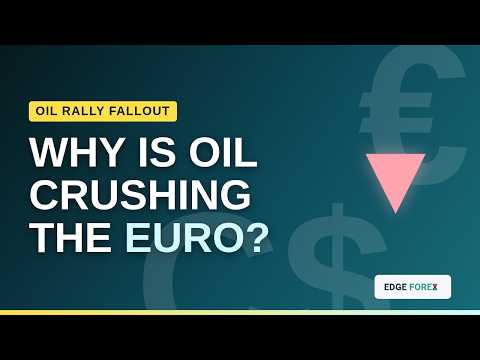 Play video: Oil Rally Weakens Euro: What It Means for Your Money - video
How We Got Here: A Timeline of the Selloff
The chain of events behind the oil rally weakens euro move stretches across multiple regions and several days.
- A drone attack on Saudi Aramco's Shaybah oil field left two people dead, sharpening geopolitical tensions in the Middle East and reviving fears of supply disruption. Energy markets reacted immediately, with crude prices jumping.
- Iranian Foreign Minister Abbas Araghchi said the United States must dismantle its naval blockade and show genuine commitment to a diplomatic resolution before Tehran returns to the table, keeping a lid on any quick de-escalation.
- In Eastern Europe, Ukraine launched large-scale drone strikes against critical Russian oil infrastructure, a move clearly aimed at disrupting Moscow's planned expansion of diesel exports under a recent Trump-Putin arrangement. For more on how energy infrastructure attacks ripple into currency markets, see Why a Ukraine Energy Ceasefire Could Move Your Savings and Fuel Bills.
- On the Euro side, strategists at Danske Bank describe the move as sentiment driven, pointing to the combination of high energy prices and EUR-pessimism on the back of French debt worries. Those French fiscal concerns have been building for some time, as explored in Why Euro Fiscal Stress Could Make Your Money Worth Less.
Put together, these threads explain why EUR/CAD has now fallen for three consecutive days.

Why an Oil Rally Weakens Euro More Than It Lifts Other Currencies
Not every currency reacts to higher crude the same way, and that is the core of the oil rally weakens euro dynamic. The Canadian Dollar is a commodity currency: when oil prices climb, Canada's export revenues and terms of trade improve, and CAD typically strengthens against funding currencies that import energy. The Euro sits on the opposite side of that equation. The Eurozone is a large net energy importer, so a crude spike raises import costs and squeezes the bloc's trade position at exactly the moment French debt worries are already weighing on sentiment.
Economists at ING add a policy dimension. With markets effectively tightening financial conditions through the French fiscal-driven selloff in Eurozone bonds, they expect the European Central Bank to respond with a three-pronged approach, combining more dovish rate communication, adjustments to its balance sheet plans and, if needed, targeted use of its existing backstop tools. A central bank leaning toward easier policy, even in communication only, tends to make a currency less attractive to hold, reinforcing why an oil rally weakens euro sentiment on top of the direct energy-cost channel.
Who Benefits and Who Loses
The winners here are fairly straightforward. The Canadian Dollar benefits directly from stronger crude prices, and so do other oil-linked currencies and economies that export energy rather than import it. Investors who already favor commodity currencies over the Euro get a sentiment tailwind.
The losers are the Euro itself and anyone whose income or costs are priced in it. Eurozone households face a double hit: energy bills tracking a higher oil price, and a currency that is losing ground against trading partners, which can make imported goods more expensive. France's bond market stress adds a third layer of pressure, since it feeds directly into the EUR-pessimism that Danske Bank flagged. Readers following the broader Middle East energy story may also want to see Iran Oil Supply Shock Could Push Up Your Petrol Price, which covers the supply side of this same crude rally.
What This Means for You
You do not need to trade currencies to feel this. If you hold euros and are planning travel to Canada, your money now buys fewer Canadian Dollars than it did three days ago, so flights, hotels and everyday spending there cost more in euro terms. If you are a saver holding euro-denominated cash or bonds, a weaker Euro combined with a more dovish-leaning ECB can mean your money's purchasing power erodes faster, especially for anything priced in a stronger foreign currency.
For borrowers, the signal to watch is the ECB's response to the French bond selloff. If the central bank leans further into dovish communication to calm markets, that could eventually filter into lower borrowing costs within the Eurozone, but it also tends to coincide with the kind of currency weakness driving the oil rally weakens euro move right now. On the energy side, higher crude prices tend to show up at the pump and on heating bills with a lag, so it is worth watching fuel and utility costs over the coming weeks regardless of which currency you hold. Related coverage on shipping and fuel costs is available in Record Tanker Rates Could Raise Your Petrol Price.
Risks to This View
This is analysis of current conditions, not a forecast, and several things could change the picture. Iran's Araghchi left the door open to renewed negotiations if Washington offers concrete evidence of a sincere diplomatic effort, and any sign of de-escalation in the naval blockade standoff could quickly take some premium out of crude prices. Ukraine's strikes on Russian oil infrastructure could also go either way: continued disruption would keep supply fears elevated, while any pause could ease the rally that is currently pressuring the Euro.
On the Eurozone side, the ECB's three-pronged plan, as described by ING, is specifically designed to calm the French-driven bond selloff. If that communication succeeds in steadying sentiment, the EUR-pessimism component of the oil rally weakens euro story could fade even if oil prices stay elevated, since Danske Bank's own framing treats the energy and French debt factors as separate inputs that happen to be reinforcing each other right now rather than one single cause.
What to Watch Next
The next markers worth tracking are concrete and dated. Watch for any formal response from Washington to Araghchi's conditions on the naval blockade, since that is the specific trigger Iran has named for returning to talks. Watch for further Ukrainian strikes on Russian oil infrastructure or any Russian response, since that campaign is still active and targets the diesel export plan agreed between Presidents Trump and Putin. And watch how the ECB frames its next communication on rates and its balance sheet, since that is the channel ING expects policymakers to use to address the French crisis. Each of those dates could either extend or interrupt EUR/CAD's current losing streak.
Get daily forex setups and market breakdowns on our Telegram: Join Pip Talk on Telegram
This article is market analysis and commentary, not financial advice.
What the video covers
EUR/CAD has fallen for three straight sessions, trading near 1.5750 on Thursday. Everyone blames this week's drone strike, but Danske Bank says the real slide started earlier, with French debt fears already building. A drone attack on Saudi Aramco's Shaybah field killed two people and sent crude prices jumping. Araghchi warns the US must dismantle its naval blockade before Tehran returns to the table.
Ukraine then launched large drone strikes on Russian oil infrastructure, targeting that diesel export expansion. Danske Bank calls the whole move sentiment driven: high energy prices stacked on French debt worries. That combination now has EUR/CAD down for a third consecutive session this week. Simple rule right now: oil up helps commodity currencies, oil up hurts the energy-importing Euro.
ING expects the ECB to respond with a three-pronged plan: dovish talk, balance sheet tweaks, and backstop tools. Winners here are Canada and other oil exporters; losers are the Euro and anyone priced in it. France's bond market stress adds a third layer of pressure on top of energy costs. If you hold euros, your money now buys fewer Canadian Dollars than it did three days ago.
Here's the twist: a more dovish ECB could ease borrowing costs even as it weakens your euro savings. Borrowers might eventually see lower rates, but that relief tends to arrive alongside a weaker currency. Watch three dated triggers: Washington's reply to Iran, more Ukrainian strikes, and the ECB's next statement. The pair to watch is EUR/CAD, now near 1.5750 and down three sessions straight.
Either side could flip fast: Iran talks or a Ukraine pause could ease it, more strikes could extend it. This is market analysis of current conditions, not a forecast or trading signal.
Transcript of "oil rally weakens euro as EUR/CAD falls to 1.5750, third day".
Edge-Forex publishes general market analysis, not investment advice. Market data shown is indicative and may be delayed.
Written by
Vinit Makol
Lead Strategist and Market Analyst at Edge-Forex
Vinit Makol is a forex trader, strategist and market analyst with more than 20 years of experience in forex and financial markets.
Covers