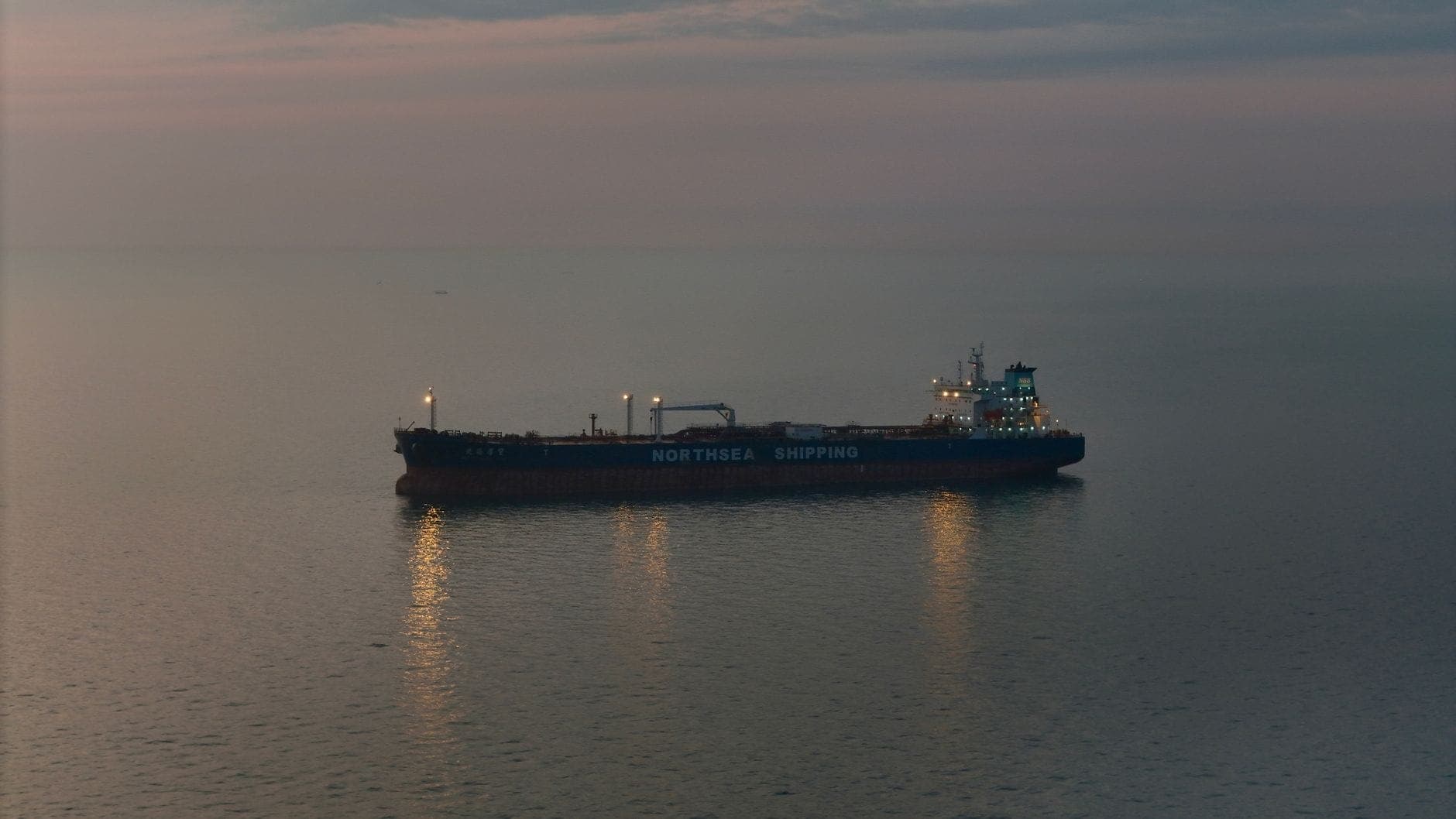
Will Easing Iran Oil Shipping Risk Finally Cut Pump Prices?
Iran oil shipping risk stays high as Trump says strikes are unlikely if talks progress, though Hormuz Strait attacks keep squeezing energy exports.
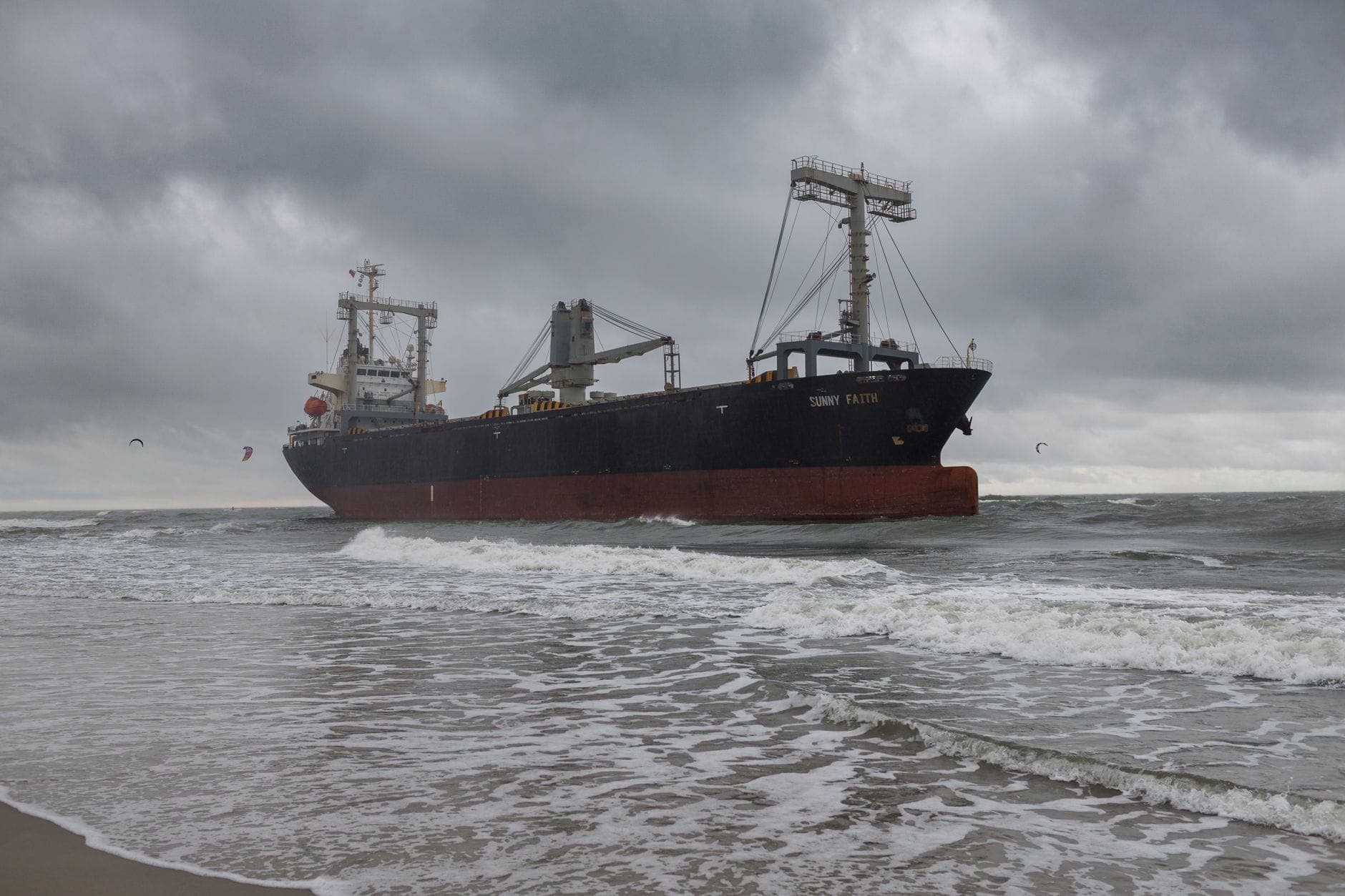
Iran oil shipping risk is still the thing moving oil and currency markets this week, even after US President Donald Trump told CNN he is highly unlikely to order fresh strikes on Iran as long as talks keep progressing toward a strong agreement. The catch is that while diplomats talk, the US and Iran have both kept hitting vessels in and around the Strait of Hormuz, the narrow waterway that carries a huge share of the world's oil and gas exports. For traders, that combination of calmer words and continued attacks is exactly the kind of mixed signal that keeps the dollar, the yen and oil-linked currencies on edge.
 Play video: Will Easing Iran Oil Shipping Risk Finally Cut Pump Prices? - video
What Happened: Talks Progress While Hormuz Strikes Continue
Trump's comments came as both sides reported fresh incidents at sea. Iran's Revolutionary Guards Navy said two oil tankers caught fire after hitting mines while trying to use an unauthorised route through the Strait of Hormuz, and a third tanker also caught fire, according to the semi-official Fars news agency. The US military said it fired at the stern of a commercial vessel in the Gulf of Oman, disabling it as the vessel tried to get through the US blockade. Iran's Tasnim news agency also reported two missiles struck Qeshm Island, though neither government confirmed the report, and Reuters said it could not verify any of the strikes.
Meanwhile, Saudi Arabia's energy ministry said an Aramco administrative building in Riyadh was damaged by falling debris from an attempted attack, a reminder that the Houthi-Saudi conflict is widening the same Middle East war that is driving Iran oil shipping risk higher. On the diplomatic side, Iran has submitted a nuclear proposal to Washington through Qatar, but talks remain tied to Tehran's seven demands, including sanctions relief and access to frozen assets, while Washington insists nuclear issues come first. Trump also said that if strikes do resume, the US has already identified targets, including 38 bridges it says it could destroy in about an hour, which tells you negotiators on both sides still see the military option as very much alive.

Which Currencies Move on Iran Oil Shipping Risk
When Iran oil shipping risk eases even slightly, as it did with Trump's comments, the dollar can lose a little of its safe-haven bid because markets price in a smaller chance of a near-term escalation. But the continued strikes on tankers in the Strait of Hormuz keep a floor under that same risk premium, which is why the dollar and classic havens like the yen and Swiss franc have stayed in demand even as rhetoric softens. As explained in Iran Tensions Dollar Demand: What It Means for Your Holiday Money, uncertainty over Gulf shipping tends to push traders toward the dollar first, because energy is priced in dollars and disruption to exports raises global demand for the currency used to buy it.
The Canadian dollar, as an oil exporter's currency, tends to track the opposite path from the euro and yen, which depend heavily on imported energy. Our earlier piece on Trump Iran Strike Delay Lifts Yen, Eases Pressure on Oil and Rates showed how even a pause in US strikes can lift the yen and ease pressure on oil, because markets read delay as lower odds of a wider war. The pattern here is similar: talk of a deal is bullish for risk currencies and bearish for the dollar and yen, but every fresh tanker incident in the Strait of Hormuz reverses that move within hours.
Who Gains and Who Gets Squeezed
Oil-exporting economies and their currencies stand to gain the most if Iran oil shipping risk keeps energy prices elevated without tipping into a full-blown war that would hurt global growth. That is a narrow window, but it is the one Gulf producers and oil-linked currencies like the Canadian dollar are watching closely. On the losing side are heavily energy-import-dependent economies, where a mix of mined tankers, blockades and blocked exports raises shipping insurance costs and fuel bills at the same time. As covered in Strait of Hormuz Reopening Could Cut Petrol Prices, but Risks Linger, any real reopening of the strait would be a relief for importers and a headache for exporters used to the current price support, which is exactly why neither side is in a hurry to make the first concession in talks mediated by Qatar.
Global shipping and insurance markets are also split. Vessel owners who avoid the "unauthorised routes" Iran's navy warns about pay a premium for longer, safer paths, while those who try to push through face the kind of mine and fire incidents reported this weekend. Qatar's prime minister has pushed back on reports that talks collapsed, insisting both sides are still working toward an agreement, which matters because Qatar is the main channel carrying Iran's nuclear proposal to Washington.
What Iran Oil Shipping Risk Means for You
For anyone who does not trade currencies for a living, Iran oil shipping risk still reaches your wallet through a few simple channels. Petrol and diesel prices are the most direct link, since the Strait of Hormuz carries a large share of the world's oil and gas, and mined tankers or blockades tend to show up at the pump within days. Energy bills follow a similar path if gas supplies routed through the Gulf are disrupted for long. If you hold savings in dollars, or you are converting currency for an upcoming trip or payment, watch for the dollar strengthening on bad news from the strait and softening on any sign that the Qatar-mediated talks are moving forward, since that swing can change how far your money goes. Borrowers should also keep an eye on this story because a sustained oil price rise feeds into inflation data, which central banks watch closely when setting interest rates on mortgages and loans.
Risks to This View
The biggest risk to any calm reading of this story is that talks stall again. Iran has tied progress to seven demands Washington has not fully accepted, and the US has dismissed Iran's push to secure its land borders and the Caspian Sea against sanctioned weapons transfers as "wordplay," with Iran's Revolutionary Guards rejecting the plan outright. Reuters also noted it could not confirm several of the reported strikes, including the Qeshm Island missile reports, so markets are trading on information that is still contested. The widening Houthi-Saudi conflict adds another layer of unpredictability, since an attack that damages an Aramco facility in Riyadh can move oil and currency markets just as fast as anything happening in the strait itself. Until a signed agreement actually removes the threat of mines and blockades, Iran oil shipping risk is likely to keep both the dollar and oil-linked currencies trading on headlines rather than fundamentals.
Get daily forex setups and market breakdowns on our Telegram: Join Pip Talk on Telegram
Related guides
- How to use the gold fear and greed index
- What XAU/USD means and why gold trades like a currency
- The best time to trade forex
This article is market analysis and commentary, not financial advice.
What the video covers
Trump calls fresh Iran strikes highly unlikely - but the US already has 38 bridges picked to hit in an hour. Here's what doesn't add up: that same weekend, two tankers caught fire after hitting mines in Hormuz. Tasnim also reported two missiles hit Qeshm Island, though neither government confirmed it. The US military fired at a commercial vessel's stern in the Gulf of Oman, disabling it.
Calm words, live mines - the Strait of Hormuz is still a warzone while diplomats talk. Iran sent a nuclear proposal via Qatar, but talks hinge on 7 demands Washington hasn't fully accepted. When strike risk eases, the dollar's safe-haven bid can soften as escalation odds fall. The Canadian dollar tends to rise with oil, while yen and euro move the opposite way.
Every deal headline flips this trade - and every mined tanker flips it right back. Oil exporters gain if prices stay high without tipping into a full-blown war. Tanker owners now choose: pay a premium on longer routes, or risk the shorter, mined ones. Falling debris from an attempted attack even damaged an Aramco building in Riyadh.
Mined tankers and blockades in the strait tend to hit petrol and gas prices within days. If you're converting currency or hold dollar savings, watch which way that swing goes. A sustained oil price rise even feeds into the inflation data behind your mortgage rate. Reuters says it could not verify several reported strikes, including those Qeshm Island missiles.
Watch the dollar, yen and Canadian dollar - they carry both sides of this oil story. Until Iran's 7 demands and the mine threat are resolved, this trades on headlines, not fundamentals - analysis, not a signal.
Transcript of "iran oil shipping risk: talks ease but hormuz strikes keep dollar and yen bid".
Edge-Forex publishes general market analysis, not investment advice. Market data shown is indicative and may be delayed.
Written by
Vinit Makol
Lead Strategist and Market Analyst at Edge-Forex
Vinit Makol is a forex trader, strategist and market analyst with more than 20 years of experience in forex and financial markets.
Covers